

The Bugis and Makassar people of South Sulawesi have built wooden sailing vessels for centuries. Understand the living heritage behind every Indo Yachts charter.
Origins of the Phinisi
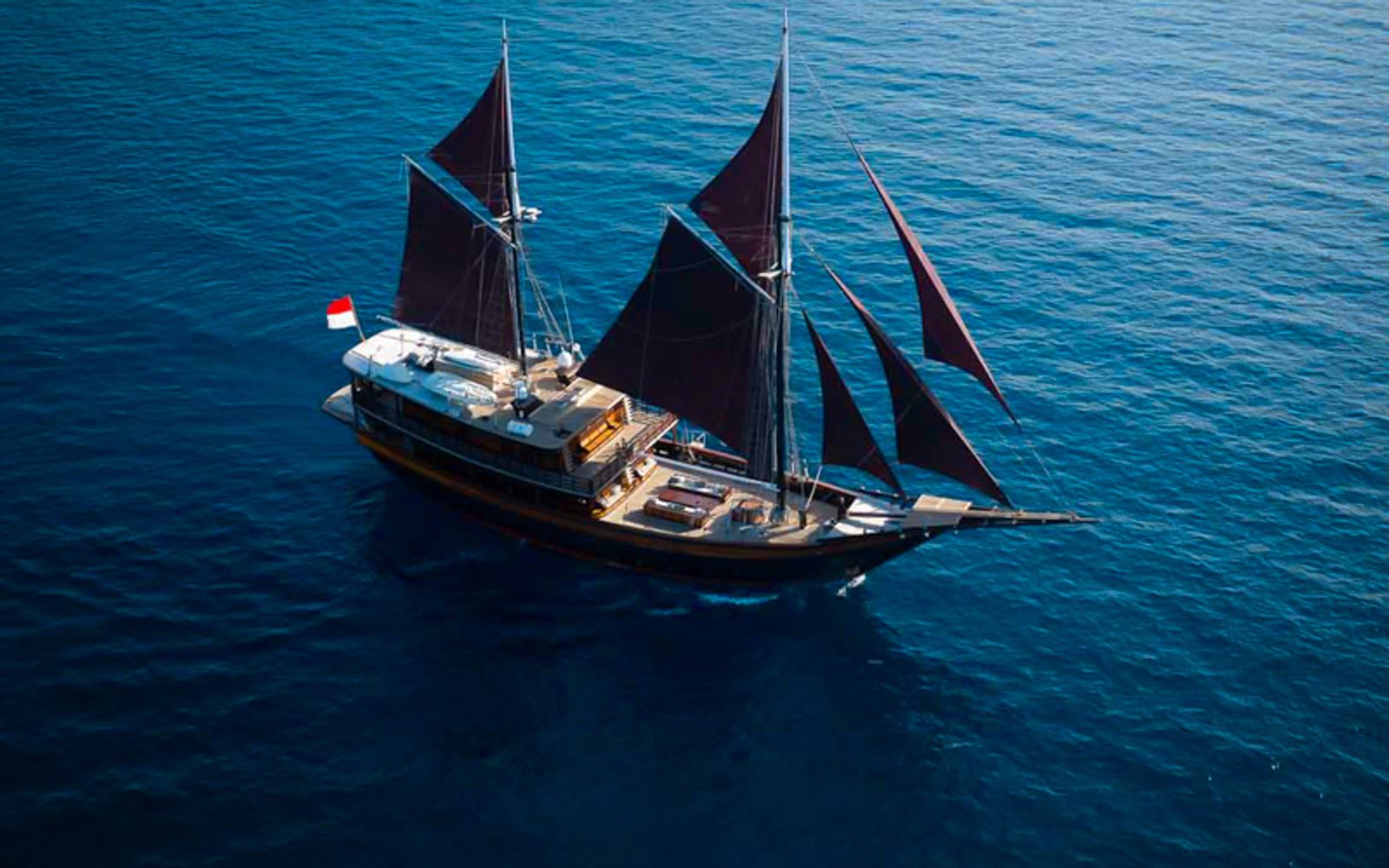
Long before Europeans arrived in Southeast Asian waters, the Bugis and Makassar people of South Sulawesi were already accomplished shipbuilders and navigators. The phinisi—a traditional two-masted sailing vessel—represents centuries of maritime knowledge passed down through generations.
The exact origins of the phinisi are difficult to trace, as the Bugis traditionally passed down their shipbuilding knowledge orally rather than through written records. However, historical accounts suggest that Bugis traders were sailing phinisis throughout the Indonesian archipelago and beyond as early as the 14th century.
The word "phinisi" is believed to derive from the Dutch word "pinnace," a type of small sailing ship. However, this represents colonial reinterpretation—the Bugis shipbuilding tradition predates European contact by centuries.

Traditional Construction
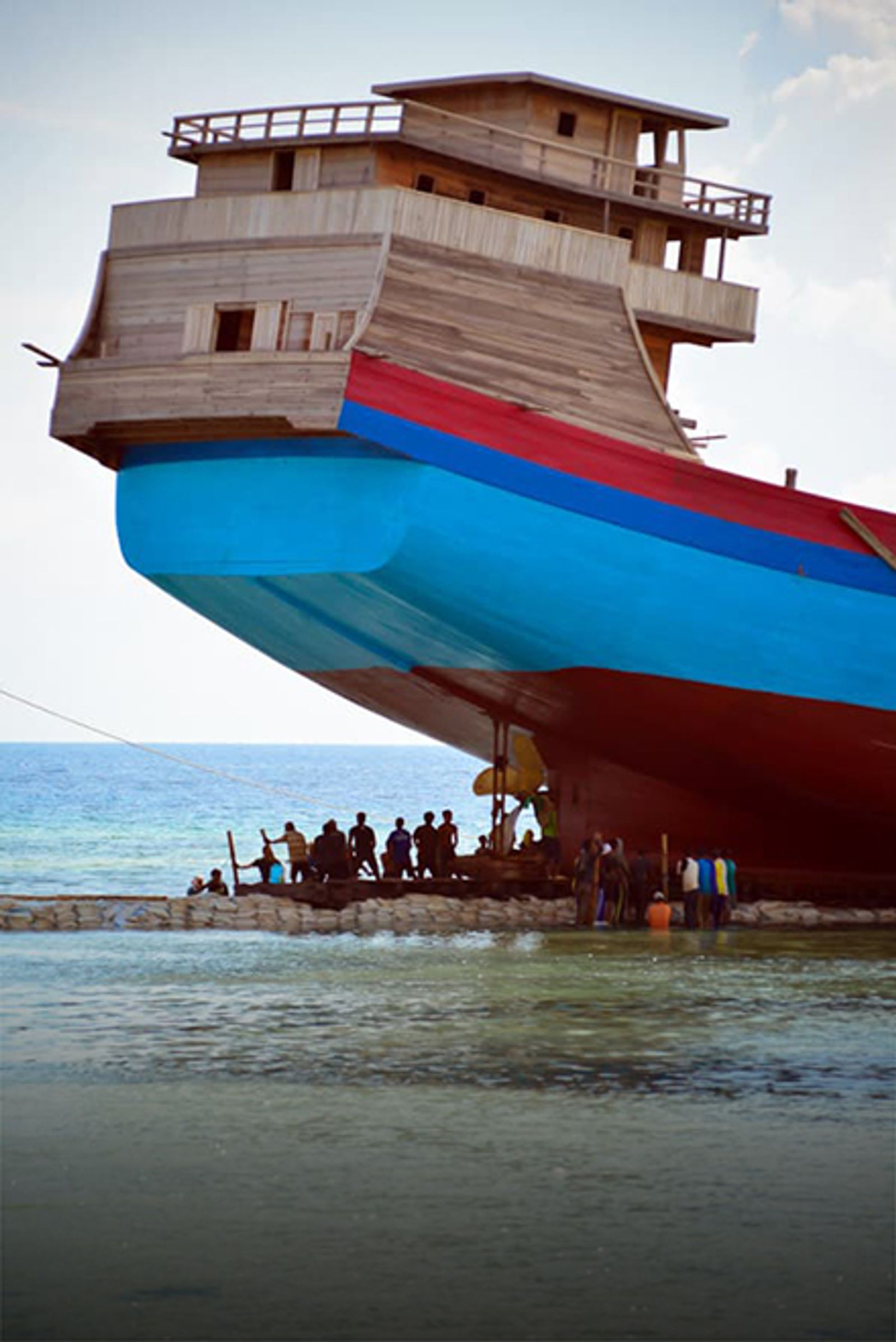
What makes the phinisi remarkable is its construction method. Traditional phinisis are built without blueprints or formal plans. Instead, master shipwrights called "punggawa" carry the designs in their minds, having learned from their fathers and grandfathers before them.
The hull is constructed using the "shell-first" technique, where planks are fitted together before the internal ribs are added—the opposite of European shipbuilding methods. Each plank is carefully shaped to fit its neighbors, creating a smooth, elegant hull without the need for frames during initial construction.
The Bugis Seafarers
The Bugis people are among history's most accomplished maritime traders. At their peak, Bugis trading networks stretched from Singapore to Australia, with regular routes connecting the spice islands of Maluku to ports throughout Southeast Asia.
This seafaring heritage created a culture deeply connected to the ocean. Young Bugis men traditionally went to sea before marriage, and successful traders held high social status. This maritime tradition continues today in the villages of South Sulawesi, where phinisis are still built using methods passed down through generations.
The Modern Charter Phinisi
Today's charter phinisis represent a marriage of traditional craftsmanship and modern luxury. While they retain the distinctive hull shape and rigging of their ancestors, contemporary phinisis feature air-conditioned cabins, gourmet galleys, and safety equipment meeting international standards.
Indonesian maritime law plays an interesting role here. The cabotage regulations require all commercial vessels operating in Indonesian waters to be Indonesian-flagged and locally built. This law, intended to protect the domestic maritime industry, has had the unintended effect of preserving traditional shipbuilding.
A Living Legacy
In the shipyards of Tanah Beru and Bira in South Sulawesi, master builders continue to construct phinisis using traditional methods. UNESCO recognized this tradition's significance by inscribing it on the Representative List of the Intangible Cultural Heritage of Humanity in 2017.
When you step aboard a phinisi, you're not just boarding a yacht—you're experiencing a living tradition that connects you to centuries of maritime heritage. The wood beneath your feet was shaped by hands guided by generations of knowledge, using techniques that predate the arrival of Europeans in these waters.
Experience the Heritage
Every yacht in the Indo Yachts fleet carries this heritage. From the distinctive hull shape to the traditional rigging (maintained on many vessels even when modern sails provide primary propulsion), our phinisis connect guests to a tradition that has defined Indonesian maritime culture for centuries.