

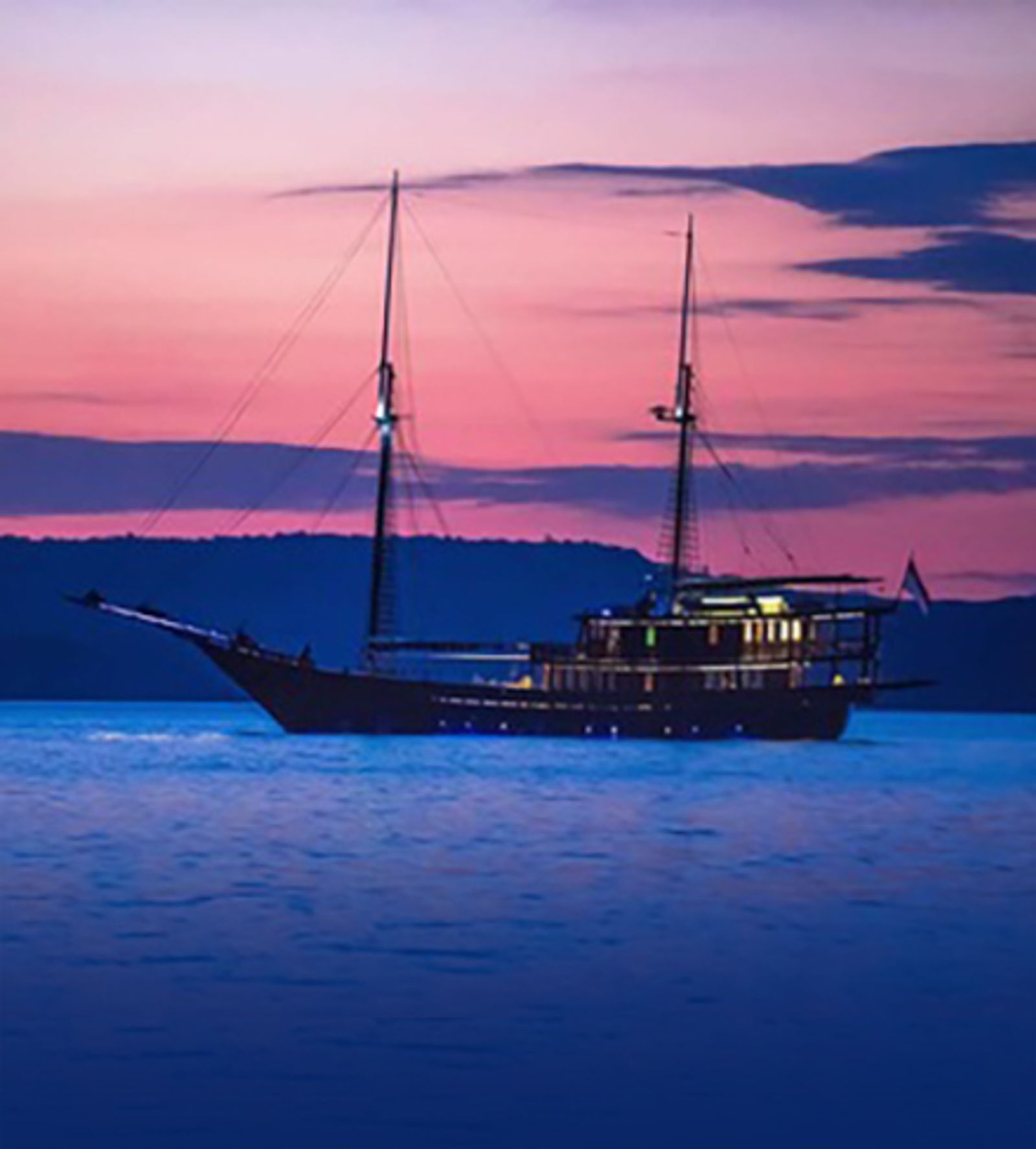
How a handful of visionaries transformed traditional cargo vessels into luxury charter yachts, creating an entirely new industry in Indonesia's waters.
Before the Charter Era
Until the late 1980s, phinisis were working vessels. They carried cargo between Indonesian islands: timber, cement, rice, and spices. The idea of converting one into a luxury yacht would have seemed absurd to the Bugis traders who sailed them.
Indonesia's waters were known to a small community of adventurous divers and surfers, but there was no infrastructure for yacht tourism. No brokers, no charter agreements, no established routes. Visitors who wanted to explore the archipelago by boat hired local fishing vessels or joined the occasional expedition organized by dive operators working from shore-based camps.
The transformation from cargo trade to charter tourism happened through a combination of declining freight demand (as modern container ships replaced traditional routes), growing international interest in Indonesia's marine environments, and the vision of a few individuals who saw what a phinisi could become.
The decline of traditional cargo routes was not simply a story of modernization displacing tradition. For the Bugis communities of South Sulawesi, the shift created real economic pressure. The emergence of charter tourism offered an alternative income stream that drew on the same skills, the same vessels, and the same maritime knowledge that had defined Bugis culture for centuries.
The First Charter Phinisis
The earliest conversions were rough by today's standards. Existing cargo phinisis were retrofitted with basic cabins, simple galleys, and minimal safety equipment. Comfort was secondary to access: these vessels could reach dive sites and surf breaks that no other mode of transport could touch.
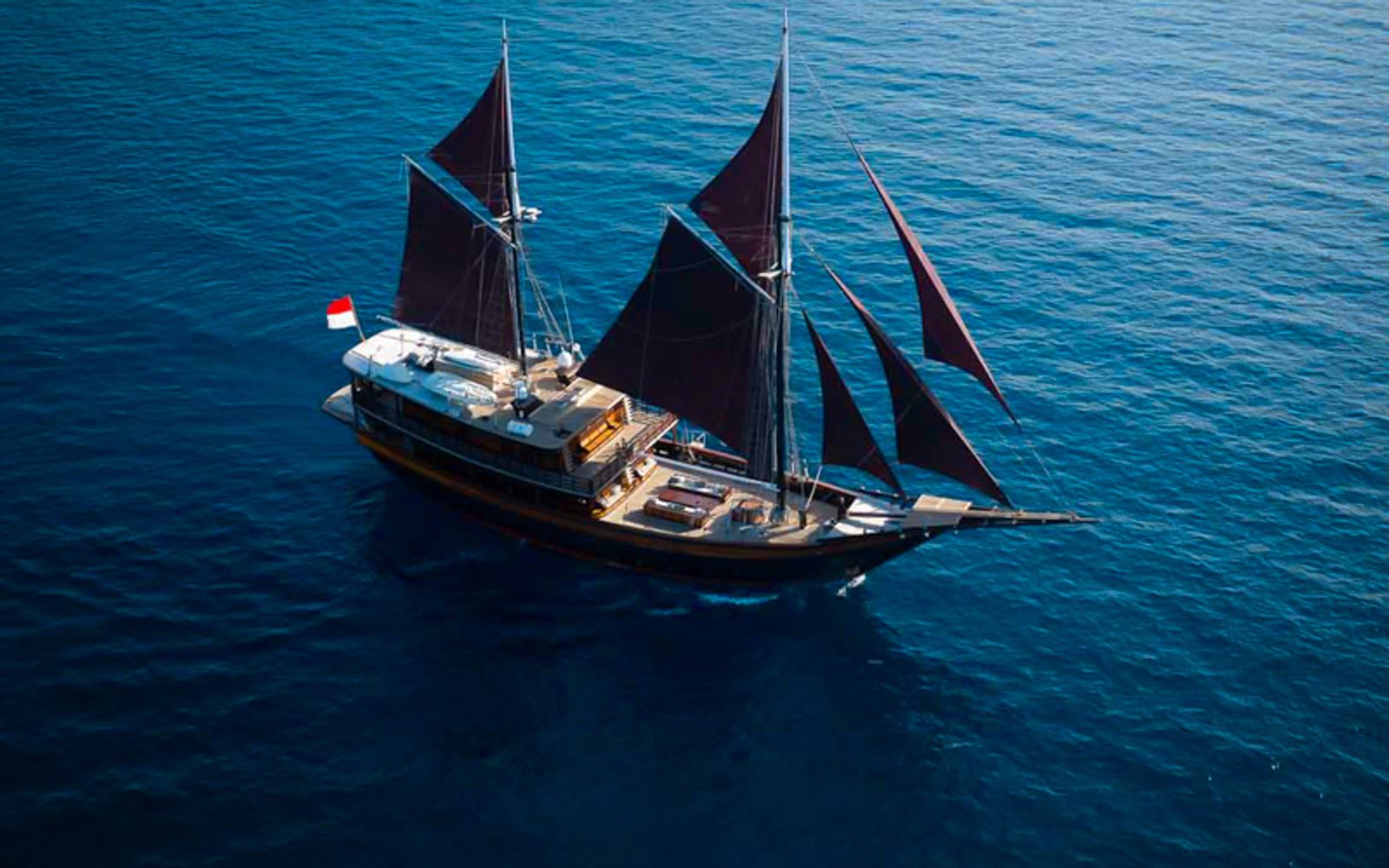
What the early operators discovered was that the phinisi itself was part of the appeal. Guests were captivated by the wooden construction, the traditional rigging, and the connection to Indonesian maritime heritage. The vessel was not merely transportation; it was an experience in the truest sense. This insight shaped everything that followed.
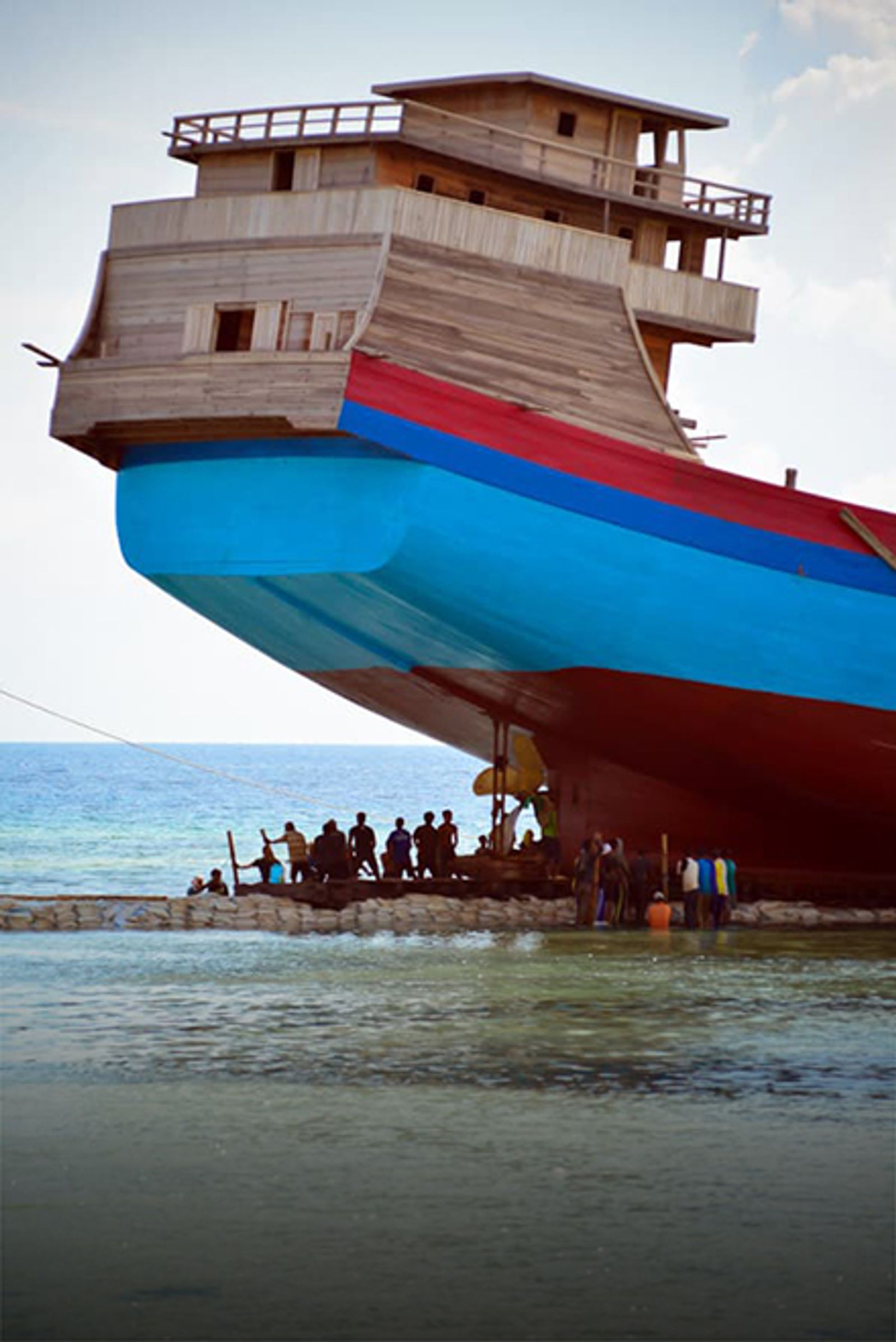
The first purpose-built charter phinisis appeared in the early 2000s. Rather than converting cargo vessels, owners commissioned new builds in the traditional shipyards of South Sulawesi, specifying luxury cabins, modern engines, and professional galley kitchens while retaining the traditional hull form and craftsmanship. Each new build pushed the standard higher.
The Pioneers
The Indonesian charter industry was built by a small group of individuals, both Indonesian and expatriate, who shared a love for the archipelago and a belief that others would pay to explore it properly.
Early yacht owners took enormous financial risks, commissioning multi-million-dollar vessels for a market that did not yet exist. Builders in Tanah Beru and Bira, accustomed to constructing cargo vessels, adapted their skills to meet luxury specifications while maintaining traditional methods. Captains who had spent careers in commercial shipping learned to manage guest expectations alongside weather and navigation.
The first charter brokers in Bali operated without established contracts, pricing frameworks, or industry standards. They built their businesses on personal relationships, word-of-mouth referrals, and the simple promise that a week on a phinisi in Komodo or Raja Ampat would be unlike anything else.
Several landmark vessels from this era remain in the fleet today, their subsequent refits layering modern comfort onto hulls that were among the first to carry charter guests through these waters.
Building an Industry
As the fleet grew, so did the infrastructure around it. Charter brokerages established pricing standards. The MYBA contract, adapted from Mediterranean yacht charter agreements, provided a legal framework. Safety standards improved. Crews professionalized.
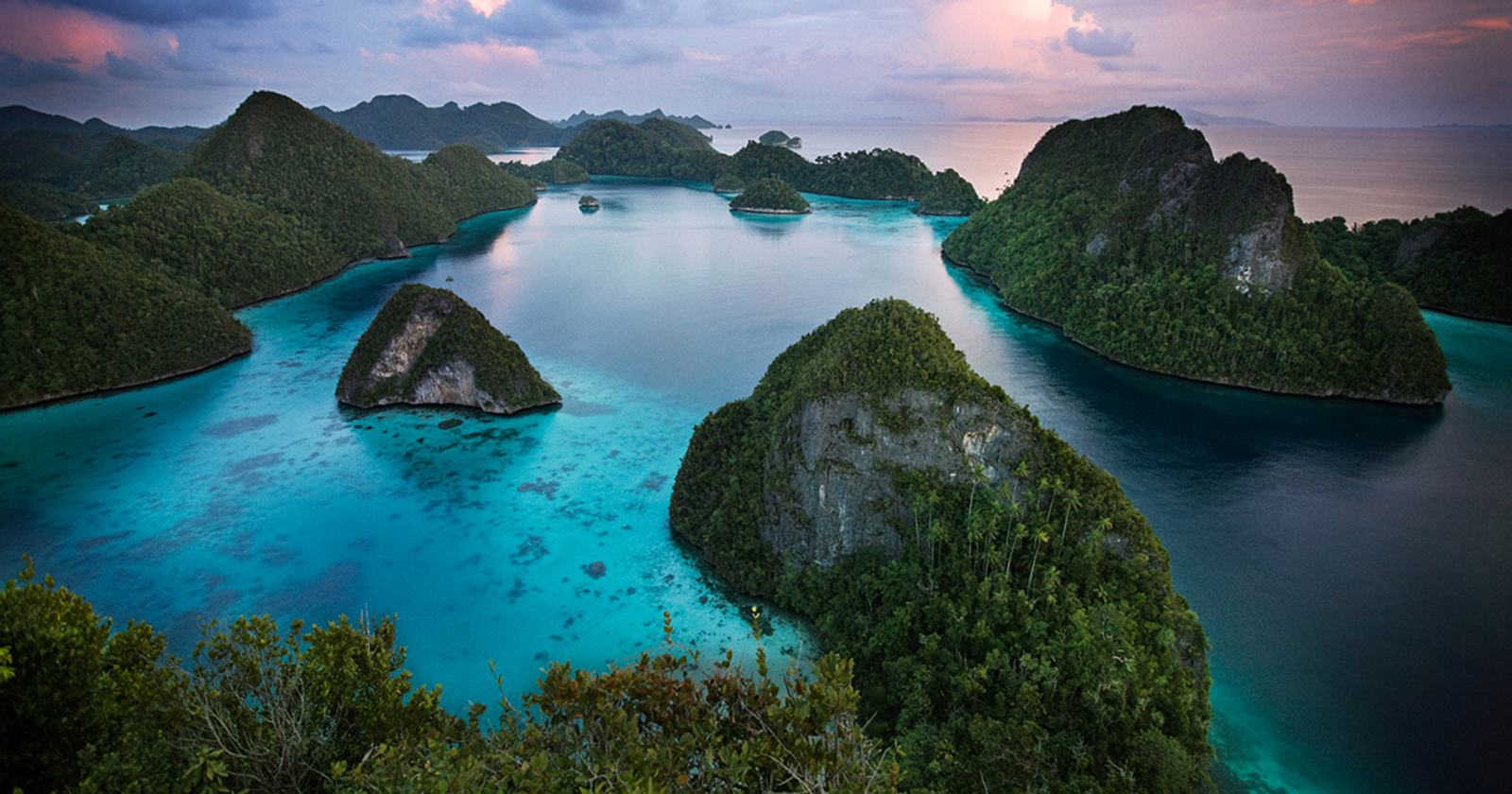
Dive tourism was a major catalyst. As Raja Ampat gained recognition as the world's most biodiverse marine ecosystem in the early 2000s, demand for liveaboard and charter access surged. Komodo National Park, already famous for its dragons, became equally known for manta ray encounters and world-class diving. These destinations needed vessels to reach them, and phinisis were the answer.
The Indonesian government's cabotage regulations, which require all commercial vessels in domestic waters to be locally built and locally flagged, prevented the importation of foreign-built yachts. This created a protected market for traditional builders and ensured that the fleet retained its distinctive Indonesian character. Foreign investors who wanted to operate charter yachts in Indonesia had to build them in Indonesia, using local wood, local labor, and local expertise.
The cabotage rules were designed to protect the domestic maritime industry, not to preserve traditional craftsmanship. But the effect was the same. An industry that might have been populated by generic fiberglass motor yachts instead became a showcase for one of the world's oldest and most distinctive shipbuilding traditions. The law, almost by accident, created the conditions for something genuinely unique.
Where We Are Now
Today, Indonesia's charter fleet numbers over 100 vessels, ranging from intimate two-cabin yachts to 65-meter superyachts. The industry supports thousands of jobs: builders, crew, dive guides, chefs, brokers, and the supply chains that provision and maintain the fleet.
The quality of new builds continues to rise. Recent launches combine traditional craftsmanship with contemporary design, professional naval architecture, and amenities that rival the finest yachts anywhere in the world. Build times for a top-tier charter phinisi now extend to three or four years, with interiors designed by professional studios and systems engineered to international standards.
What has not changed is the foundation. The wood is still shaped by hand. The hulls are still built shell-first. The master builders still carry the designs in their minds. And the waters these yachts sail remain among the most beautiful and biodiverse on the planet.
The pioneers who saw the potential of a phinisi as a luxury charter vessel created something that did not exist anywhere else in the world. They proved that traditional craftsmanship and modern luxury are not just compatible but complementary, and that the best way to explore Indonesia is aboard a vessel that belongs to its waters.