North Sulawesi, Indonesia

Bunaken & Lembeh

Two worlds, one extraordinary voyage.

Scroll
70%+ of Indo-Pacific
Fish Species in Region
105+
Dive Sites
Year-round
Season
89,000 ha
Bunaken Marine Park

Indonesia's Most Complete Diving Destination

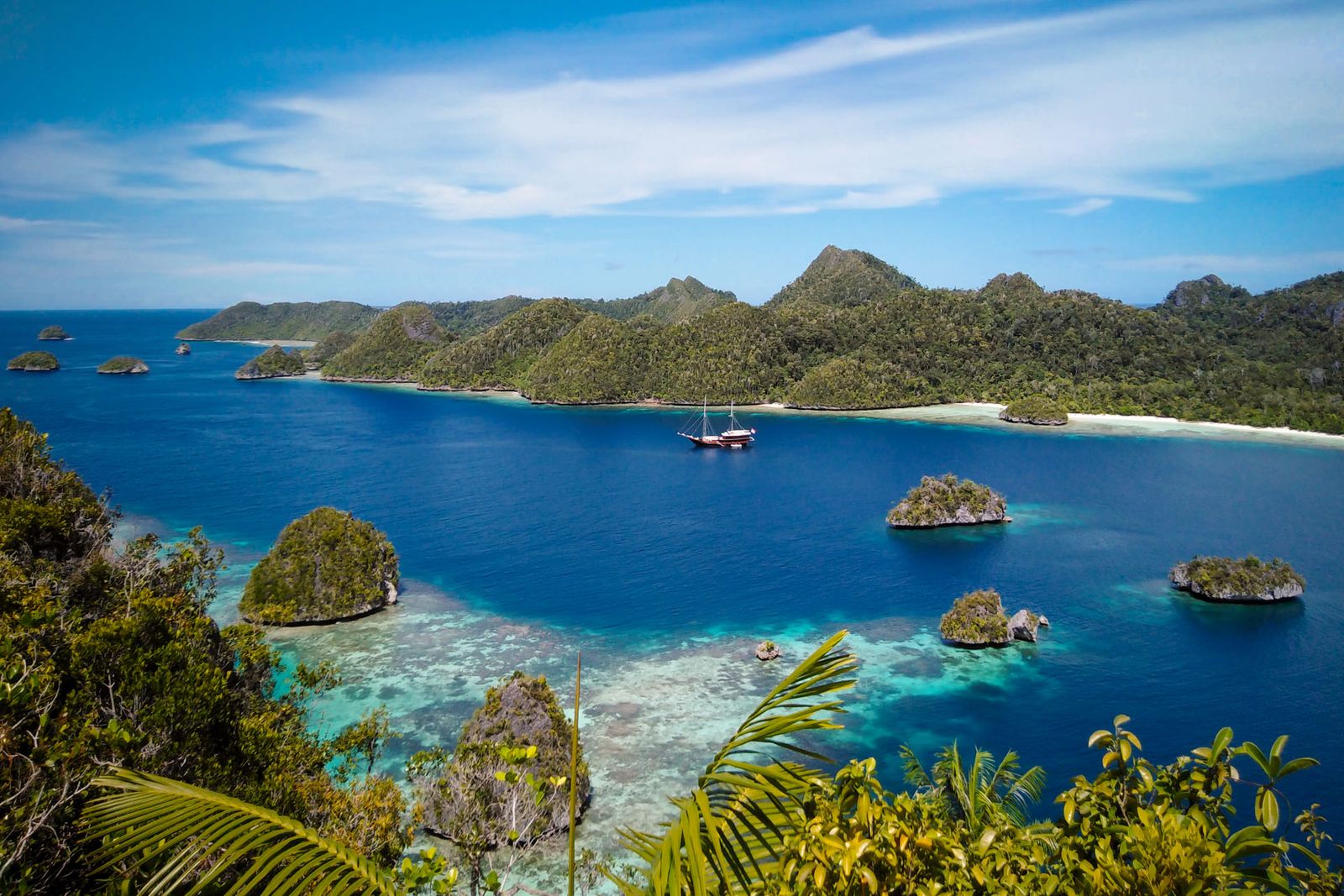
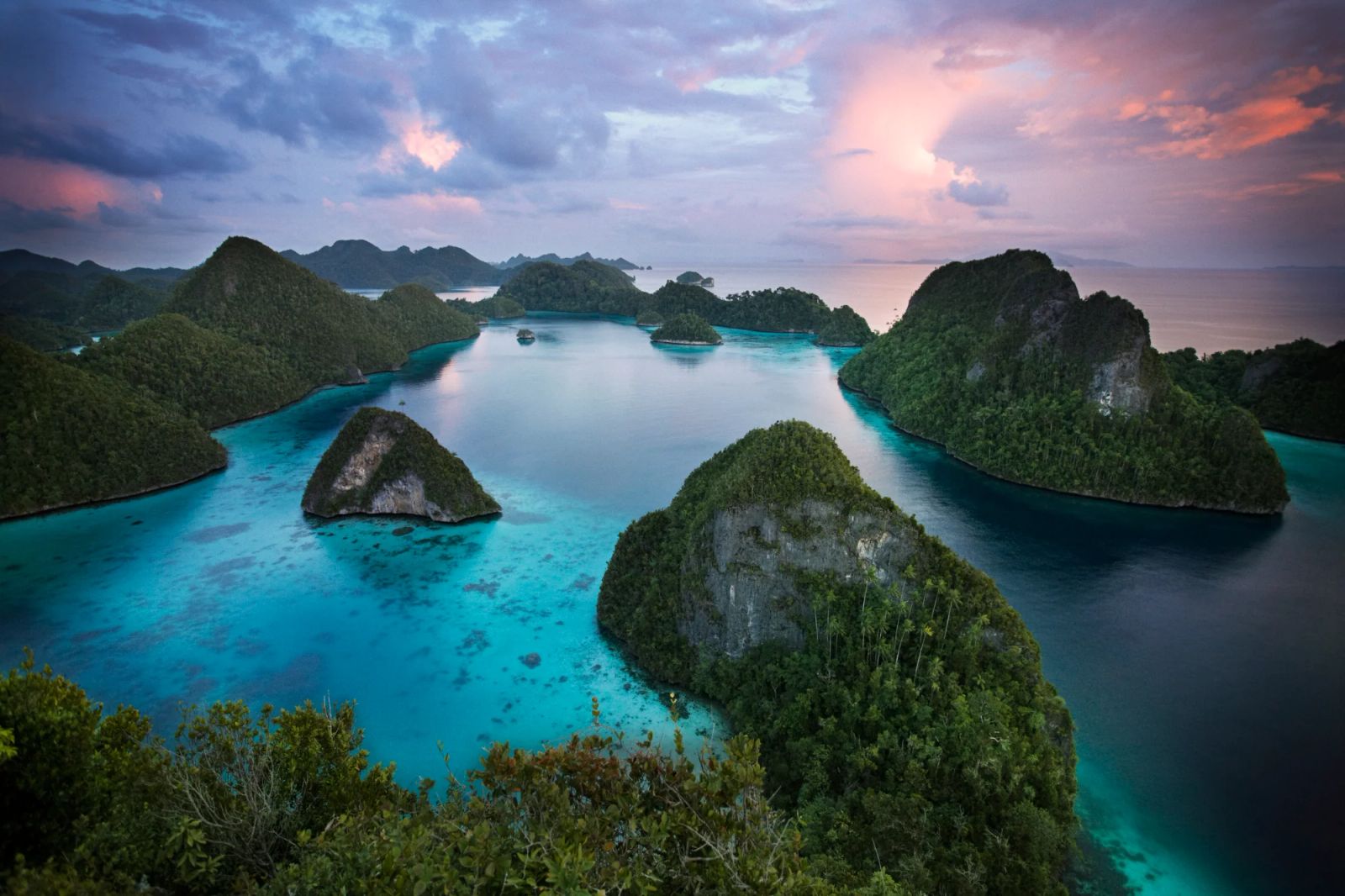
North Sulawesi occupies a singular position in the diving world: it is the only place on Earth where exceptional wall diving and the planet's premier muck diving exist within a single day's journey of each other. Bunaken and Lembeh are not interchangeable. They are opposite ends of the underwater spectrum, and chartering between them on a private yacht is simply the finest way to experience both.

Bunaken National Marine Park, established in 1991 as one of Indonesia's first protected areas, encompasses five islands in the Sulawesi Sea and over 89,000 hectares of protected water. Its famous walls, some plunging to depths exceeding 1,000 meters, host more than 70% of all fish species found across the Indo-Western Pacific. Several individual sites record over 300 species on a single dive.

The Lembeh Strait, just 50 kilometers to the northeast near the port of Bitung, could not feel more different. Shallow, volcanic black-sand slopes and silty bays have earned it the title of Muck Diving Capital of the World, a place where bizarre, beautiful, and taxonomically perplexing creatures materialize for those patient enough to look. Since its discovery in the early 1990s, Lembeh has rewritten what divers thought possible to see beneath the surface.

Bunaken's legendary walls descend to depths beyond recreational limits, draped in enormous barrel sponges and soft corals.

Bunaken's legendary walls descend to depths beyond recreational limits, draped in enormous barrel sponges and soft corals.

"

"In one week, you can drift over walls teeming with turtles and sharks, then hunt for mimic octopus in black sand. No two dives are the same, no two days are remotely alike. That is the gift of North Sulawesi."

Indo Yachts Charter Team, North Sulawesi

Why Bunaken & Lembeh Are Different

Bunaken sits near the center of the Coral Triangle, the global epicenter of marine biodiversity. Nutrient-rich oceanic currents sweep around its islands continuously, feeding the steep walls and supporting a density of life that rivals anything in the Indo-Pacific.

Where Bunaken's geology produces dramatic vertical walls and hard coral plateaus, Lembeh's volcanic black-sand seabed is the opposite: shallow, soft, and home to species that have evolved extraordinary camouflage to survive there. Flamboyant cuttlefish, mimic octopus, hairy frogfish, and rhinopias scorpionfish are not found on a wall. They live here.

Both destinations can be dived year-round, and the combined North Sulawesi circuit (Bunaken, Bangka Island, and Lembeh) offers more flexibility than any seasonally dependent destination in Indonesia. Whatever the conditions, an exceptional dive is always waiting nearby.

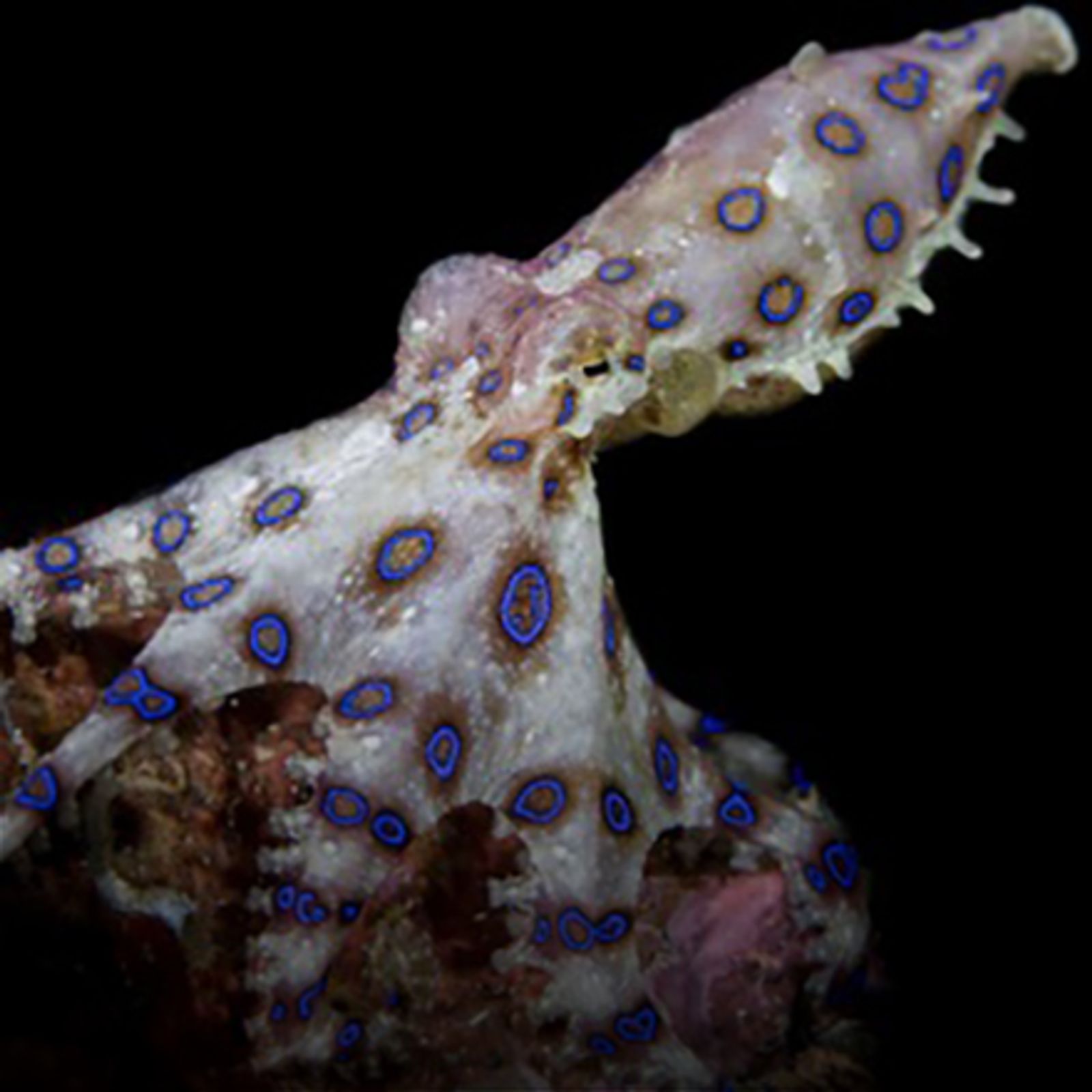
Mimic octopus on black sand in Lembeh Strait
Above the Surface

Beyond the Underwater World

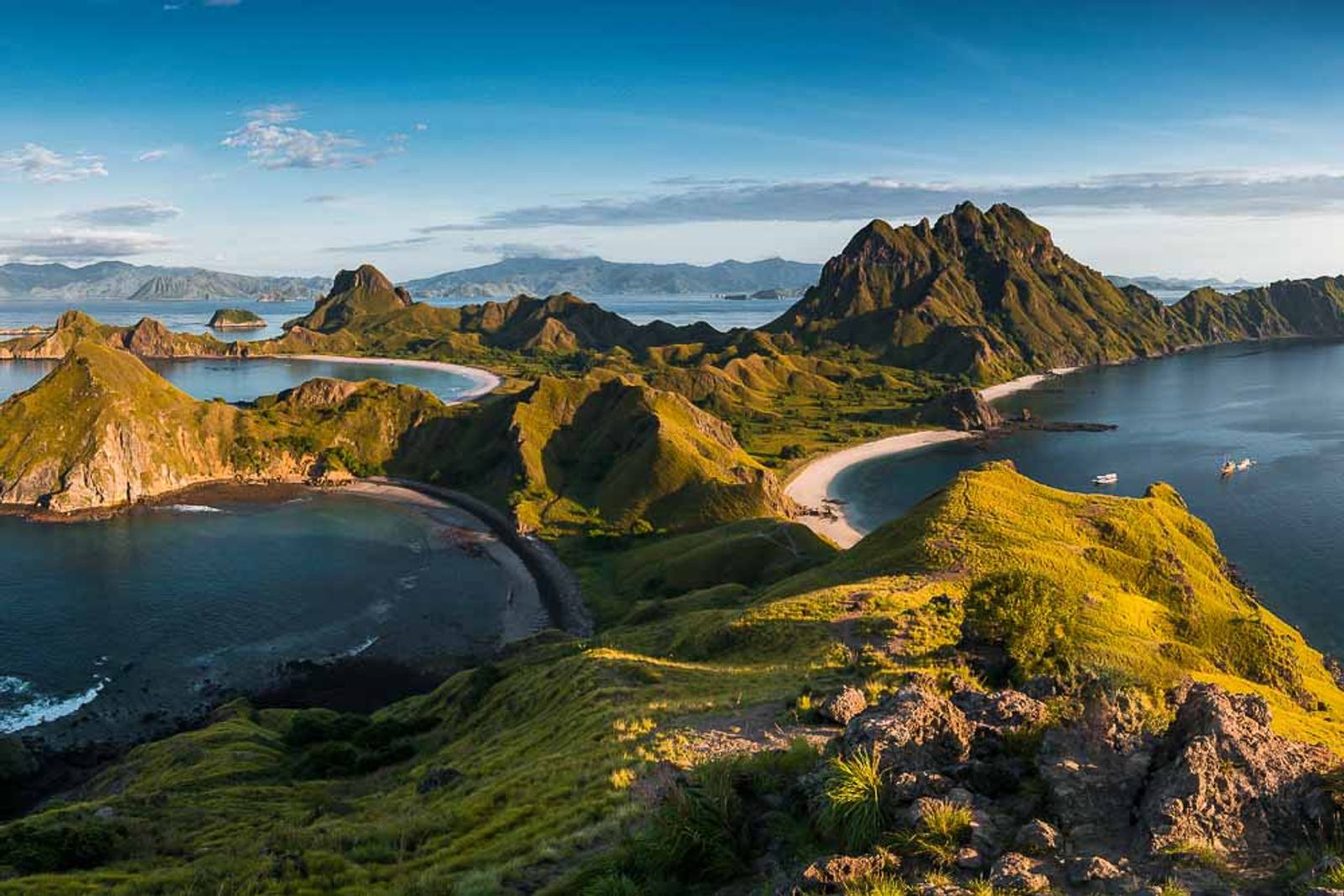
North Sulawesi rewards exploration on land as much as below the surface. The Tangkoko Nature Reserve on the peninsula's northeastern tip is one of the most accessible places on Earth to see tarsiers (the world's smallest primates), along with black macaques, hornbills, and cuscus in primary forest.
The Minahasan highlands offer a different pace entirely: the volcanic lake of Tondano, terraced rice fields, traditional Minahasan villages, and one of Indonesia's most characterful highland cuisines. The people of North Sulawesi are renowned throughout the archipelago for their warmth and openness to visitors.

Tangkoko Reserve

Tarsiers, macaques and hornbills at dusk

Minahasan Highlands

Crater lakes, rice terraces and cultural villages

Sangihe Islands

Active volcano diving on a natural bridge to the Philippines

Tangkoko Nature Reserve, North Sulawesi
Our Experience
Our Experience

We Know These Waters

We have been running charters through North Sulawesi since 2015. We know which Bunaken walls fire best in which current conditions, which Lembeh sites produce the rarest critters at which time of year, and exactly when to move between the two to maximize the experience.

The dive guides we work with have logged hundreds of dives at these sites. Nothing on our itineraries is guesswork. It is earned knowledge, diver to diver.

Since 2015

Operating in North Sulawesi

105+

Dive Sites

Year-Round

Diving Conditions

Two Worlds

Exploring North Sulawesi's Diving Circuit

Bunaken's dramatic walls, Bangka Island's coral gardens, and Lembeh's legendary critters form Indonesia's most complete diving circuit. A well-crafted itinerary moves fluidly between them, each day offering something the last could not.

Bunaken National Marine Park

Bunaken National Marine Park

The Walls

Five islands (Bunaken, Manado Tua, Siladen, Mantehage, and Nain) protected since 1991. Famous for vertical walls descending into thousand-meter abysses, thick with enormous sponges, gorgonian fans, and one of the largest resident sea turtle populations in Southeast Asia.

Wall Diving Sea Turtles Reef Sharks
Bangka & Gangga Islands

Bangka & Gangga Islands

The Gardens

Sitting between Bunaken and Lembeh, Bangka and Gangga offer a remarkable third diving profile: vibrant coral gardens, white sandy bottoms, rocky pinnacles, and exhilarating drift dives at sites like Sahaung and Tanjung Usi. Water temperature holds at 27-30°C year-round.

Soft Coral Gardens Drift Dives Pinnacles
The Lembeh Strait

The Lembeh Strait

The Critters

A narrow channel of volcanic black sand between Sulawesi and Lembeh Island. Since its discovery in the early 1990s, no place on Earth has challenged what divers thought possible to see. Over 30 dive sites, each supporting populations of creatures found nowhere else in such concentration.

Mimic Octopus Muck Diving Frogfish
Where We Dive

Signature Dive Sites

From Bunaken's legendary walls to Lembeh's black-sand muck sites, the North Sulawesi circuit offers more distinct diving experiences than almost anywhere in Indonesia.

Bunaken Island

Bunaken Island

Lekuan I, II & III

The most famous dive sites in Bunaken Marine Park: a trio of huge walls covered with enormous sponges, hard and soft corals, and an abundance of sea turtles. Outstanding for both macro work and wide-angle photography.

Wall 15-25m Vis
Bunaken Island

Bunaken Island

Ron's Point

Southwest corner of Bunaken Island. A sloping reef running into a large plateau at 35-40m, the ideal site for pelagic encounters: sharks, eagle rays, and occasional passing mantas. Shallows burst with reef fish for less experienced divers.

Pelagics Slope
Bunaken Island

Bunaken Island

Bunaken Timur

East side of Bunaken Island. A 40m wall with one of the most intact reef tops in the park: outstanding snorkeling and the best site for hawksbill turtles. Eagle rays and macro critters reward patient divers at depth.

Wall Turtles
Bunaken Island

Bunaken Island

Fukui Point

A sloped reef famous for its enormous schools of bannerfish hovering in the current and regular eagle ray sightings. Evening dives here reward patient observers with mandarin fish courtship dances at dusk, a spectacle rarely seen elsewhere.

Slope Schooling Fish

Marine Life

What Awaits Below

The North Sulawesi circuit covers the full spectrum of marine life, from the majestic pelagics of Bunaken's walls to the bizarre and beautiful macro specialists of Lembeh's volcanic seabed.

Chelonia mydas

Green Sea Turtle

Chelonia mydas

Bunaken hosts one of the largest resident sea turtle populations in Southeast Asia. Green and hawksbill turtles rest on wall ledges at Lekuan and cruise the reef tops at Bunaken Timur. Encounters are virtually guaranteed on every dive.

Thaumoctopus mimicus

Mimic Octopus

Thaumoctopus mimicus

First documented in Lembeh in the late 1990s, the mimic octopus can impersonate lionfish, flatfish, and banded sea snakes. Lembeh remains the most reliable place on Earth to observe this extraordinary behavioral adaptation in action.

Metasepia pfefferi

Flamboyant Cuttlefish

Metasepia pfefferi

The only cuttlefish known to walk rather than swim, the flamboyant cuttlefish is a Lembeh icon. Its pulsing pink and purple chromatophore display is among the most visually extraordinary sights in tropical diving. Highly toxic to predators.

Antennarius striatus

Hairy Frogfish

Antennarius striatus

Master ambush predators that have evolved dermal appendages to mimic algae or sponges. Found in virtually any color combination: black, yellow, orange, white. Lembeh's black sand provides the perfect canvas for spotting them once your eye is trained.

Cheilinus undulatus

Napoleon Wrasse

Cheilinus undulatus

The world's largest wrasse, with adults reaching up to 2m, patrols the walls of Bunaken and Sachiko with a characteristic hump-nosed dignity. A resident population at several sites means reliable encounters for those who time their dive correctly.

Solenostomus spp.

Ghost Pipefish

Solenostomus spp.

Ornate and robust ghost pipefish inhabit Lembeh's rubble slopes and seagrass patches, hovering head-down in pairs with extraordinary camouflage. Spotting them before your guide does is a Lembeh rite of passage few achieve on their first dive.

The Numbers

  • 89,000 ha Bunaken Marine Park protected area
  • 70%+ Indo-Western Pacific fish species found here
  • 300+ Fish species recorded at single Bunaken sites
  • 30+ Lembeh Strait dive sites
  • 27-30°C Year-round water temperature

Planning

Seasons & Conditions

North Sulawesi can be dived year-round. The dry season delivers the best visibility and calmest conditions across all three areas of the circuit.

Peak Season: April through November

The dry season delivers optimal conditions: visibility of 20 to 30 meters or more at Bunaken, calm seas for transfers between islands, and the strongest concentration of pelagic activity. June is particularly good for shark sightings; July brings dolphins and the beginning of sperm whale migration season through the Sangihe region.

Lembeh's critters are present year-round and are not materially affected by season. The journey between Bunaken and Lembeh, however, is most comfortable during the dry months.

Shoulder Season: December through March

The rainy season is milder in North Sulawesi than in many other Indonesian destinations. Visibility is slightly reduced, particularly around Manado Bay, but the outlying islands of Bunaken are far less affected. Lembeh is excellent throughout this period. Sperm whales pass through in March.

Practically speaking, good diving continues throughout the year. The circuit's geographic diversity means that even when conditions deteriorate in one area, excellent alternatives are always close at hand.

Month Conditions Visibility Mantas
January Good 15-20m Medium
February Good 15-20m Medium
March Good 18-25m Medium
April Excellent 20-30m High
May Excellent 20-30m High
June Excellent 25-35m High
July Excellent 25-35m High
August Excellent 25-35m High
September Excellent 20-30m High
October Excellent 20-30m High
November Excellent 18-25m High
December Good 15-20m Medium
Peak
Shoulder
Off Season

Year-Round Flexibility

Unlike many Indonesian destinations, the North Sulawesi circuit never fully closes. Lembeh's critters are not seasonal: the black sand delivers extraordinary encounters in every month. Even during the December-March rainy period, the outer islands of Bunaken remain far less affected than Manado Bay. Any month is a viable month to visit.

Getting Here

Logistics & Access

Departure City
Travel Time
Singapore
~3.5 hrs Direct / Via Jakarta
Bali (Denpasar)
~2.5 hrs Direct
Jakarta
~3 hrs Direct
Makassar
~1.5 hrs Direct
Kuala Lumpur
~3 hrs Via KL

Gateway Airport

Sam Ratulangi International Airport (MDC) in Manado is the gateway to all of North Sulawesi. Regular direct connections from Bali, Jakarta, Singapore, and Makassar make access straightforward from most international hubs.

From Manado, your charter yacht is typically berthed within 30 minutes at the Manado or Bitung harbor. For Lembeh-focused trips, joining at Bitung (closer to Lembeh) is an option. Our team manages all land transfers between airport and yacht.

Recommended Duration

Seven nights is the minimum to do both Bunaken and Lembeh justice. Ten to fourteen nights allows the full circuit (Bunaken, Bangka Island, and Lembeh) with time to dive each site multiple times and explore topside.

MDC

Airport Code

7-14 Nights

Recommended Stay

3mm

Wetsuit

From the Charter Team

Insider Knowledge

More than a decade of North Sulawesi charters has taught us things that don't appear in any dive log.

Insider knowledge card image

Lembeh Requires a Different Technique

Lembeh is not about depth or current. It is about precision buoyancy control. The correct technique is horizontal, almost motionless, hovering just above the black sand without disturbing it. This prevents silt clouds that would destroy visibility and disturb the very creatures you came to see. Experienced Bunaken wall divers often need one full dive to adjust.

Insider knowledge card image

Bunaken's Walls Fire Best on an Incoming Current

The life on Bunaken's walls is triggered by current. Incoming tides push nutrients up the walls, activating feeding behavior across hundreds of species simultaneously. Timing entries for the right tidal window is the difference between a good dive and a transcendent one. The charter captains we work with track this daily.

Insider knowledge card image

Fukui Point at Dusk for Mandarin Fish

The mandarin fish courtship dance at Fukui Point occurs only in the 20-minute window around sunset. Divers who time a shallow dive correctly witness male mandarin fish emerging to display their extraordinary coloration to potential mates: one of the most beautiful rituals in marine life. Plan one evening dive here.

Insider knowledge card image

Tangkoko at Dusk, Not Dawn

Tarsiers are nocturnal and emerge at dusk from their sleeping trees. Arriving at Tangkoko Nature Reserve in the late afternoon allows time to hike in before the light fails, giving the best chance of observing both the black macaques (active during the day) and the tarsiers as they wake. Dawn is for the birds.

Insider knowledge card image

Your Lembeh Guide Is Everything

The difference between a good Lembeh dive and an extraordinary one is almost entirely the quality of the guide. Finding a rhinopias or a new nudibranch species takes years of pattern recognition on specific sites. We use the same guides across multiple seasons; their knowledge of individual animal territories is irreplaceable.

Insider knowledge card image

Don't Skip Bangka

Most divers focus exclusively on Bunaken and Lembeh and miss Bangka Island entirely. This is a significant error. Bangka's healthy coral gardens and drift dives at Sahaung and Tanjung Usi represent a third completely distinct diving profile, and the island provides a natural, scenic stopover between the other two destinations.

Further Reading

From the Journal

Dispatches from Indonesia's most extraordinary waters. Yacht features, expedition reports, and the stories behind our most memorable charters.
Questions

Bunaken & Lembeh FAQ

What is the best time to visit Bunaken and Lembeh?

April through November offers optimal conditions across both destinations: calm seas, 20-30m visibility in Bunaken, and the most active conditions for pelagic encounters. Lembeh's critters are excellent year-round regardless of season.

Do I need to visit both Bunaken and Lembeh?

Both are extraordinary in completely different ways. Bunaken's walls and Lembeh's muck diving are opposite ends of the underwater spectrum; visiting only one is like reading half a book. The full circuit, including Bangka Island, is the definitive North Sulawesi experience.

What diving experience do I need for Lembeh?

Open Water certification is sufficient. Lembeh involves no deep diving, no strong currents, and no challenging conditions. The challenge is buoyancy precision, not depth or current. Most divers adapt within one dive with good guidance.

How much does a North Sulawesi charter cost?

Yacht charters in North Sulawesi range from approximately $45,000-$90,000 per week depending on vessel and group size. Budget approximately $6,000-12,000 per person all-inclusive for a 7-10 night charter.

Interested in Chartering Bunaken & Lembeh?

Please get in touch to discuss planning your private charter.