Seclusion in Southeast Sulawesi
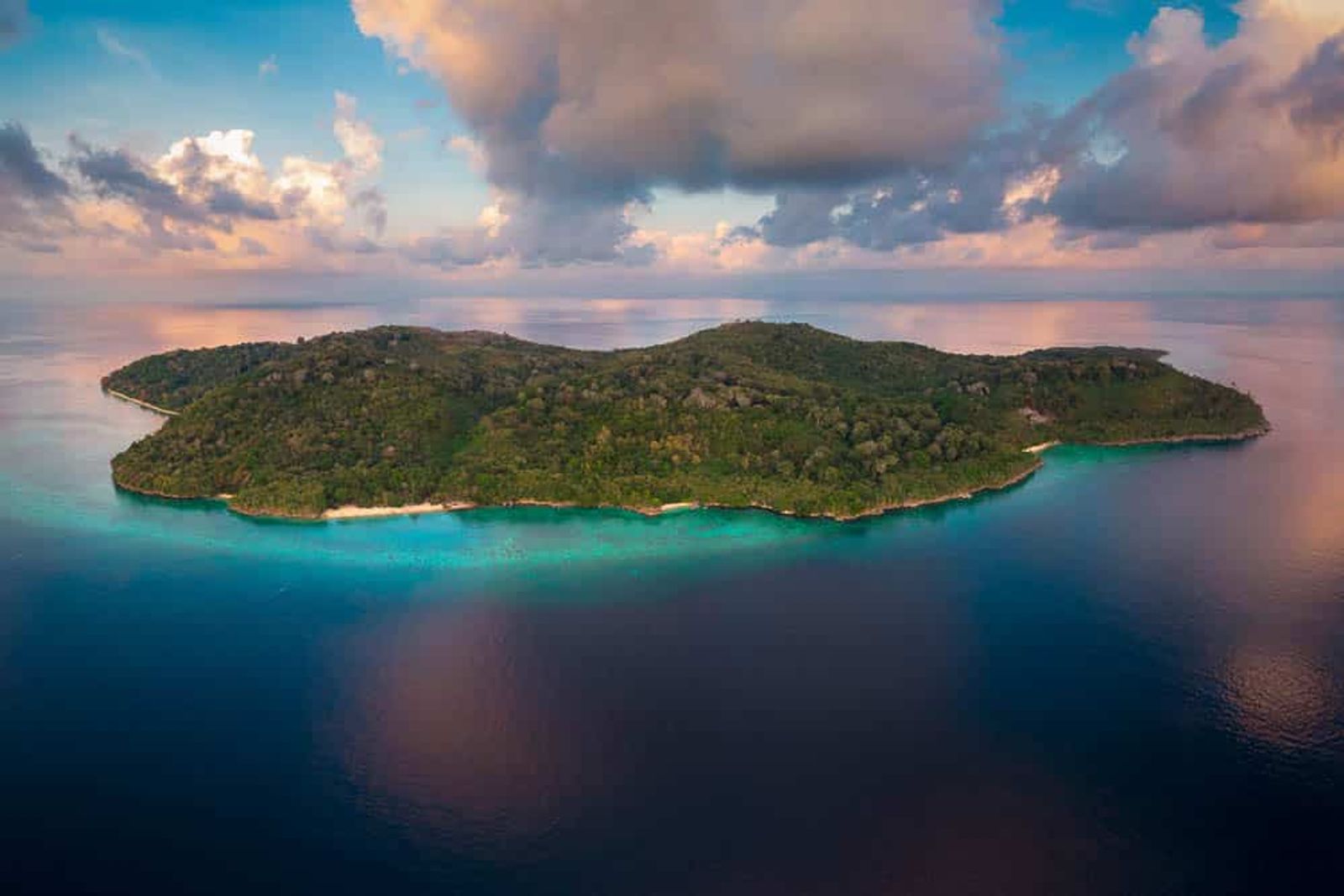
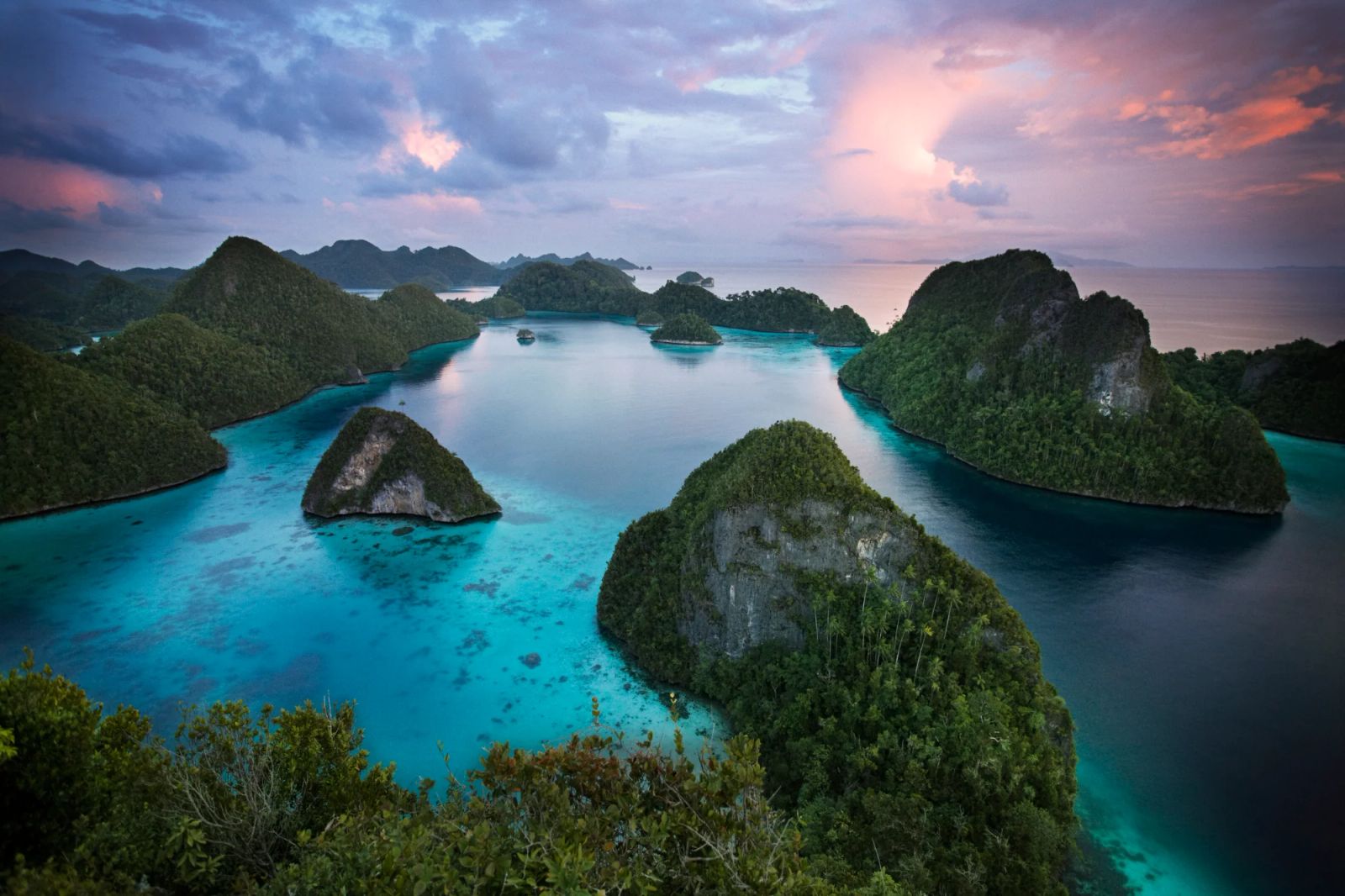
Wakatobi is Indonesia's third-largest national park, a 900,000-hectare expanse of protected sea and island stretching across the southeastern tip of Sulawesi. Four main islands (Wangi-Wangi, Kaledupa, Tomia, and Binongko) give the archipelago its name, and together they form one of the most biologically rich and least-visited dive destinations on earth.
Famed oceanographer Jacques Cousteau described Wakatobi as an "underwater nirvana." It remains that today. The reefs here are extraordinary not merely in their diversity but in their condition: visibly healthy, almost entirely intact, and protected under one of Indonesia's most rigorously enforced marine reserve designations. With 75 percent of all known coral species recorded within the park, the sheer density of life underwater has no credible rival anywhere in Southeast Asia.
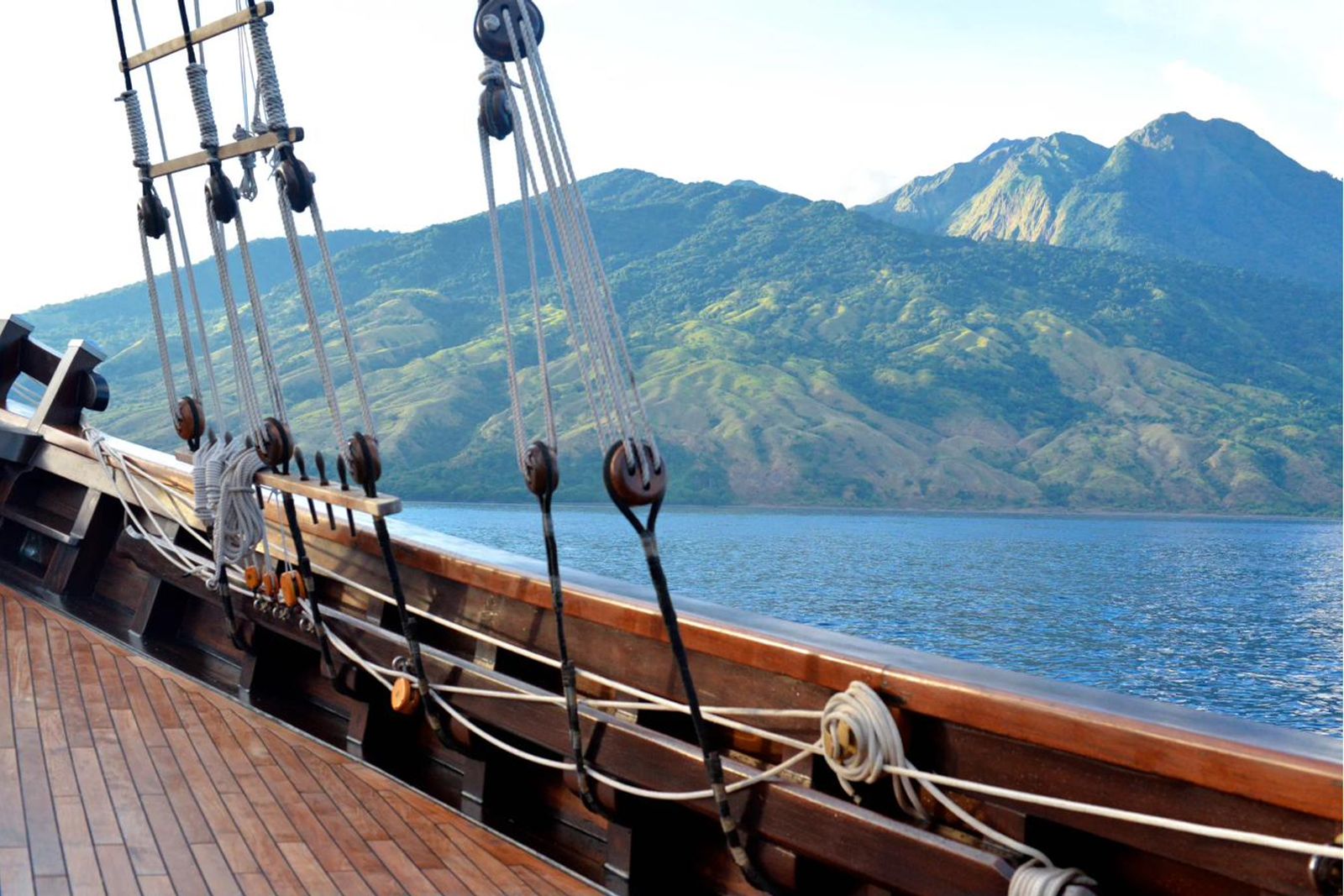
Above water, the setting is equally compelling. With no commercial development beyond a single dive resort and a handful of traditional villages, Wakatobi offers a rare combination: genuine wilderness and genuine luxury, occupying the same 900,000 hectares of protected ocean.
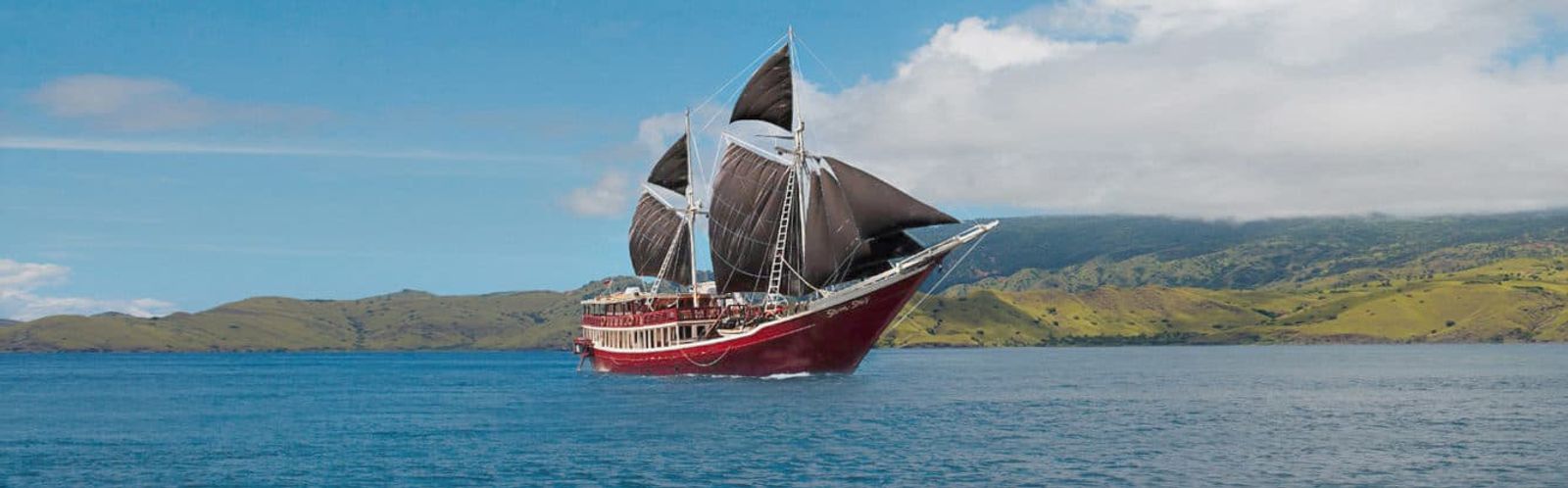
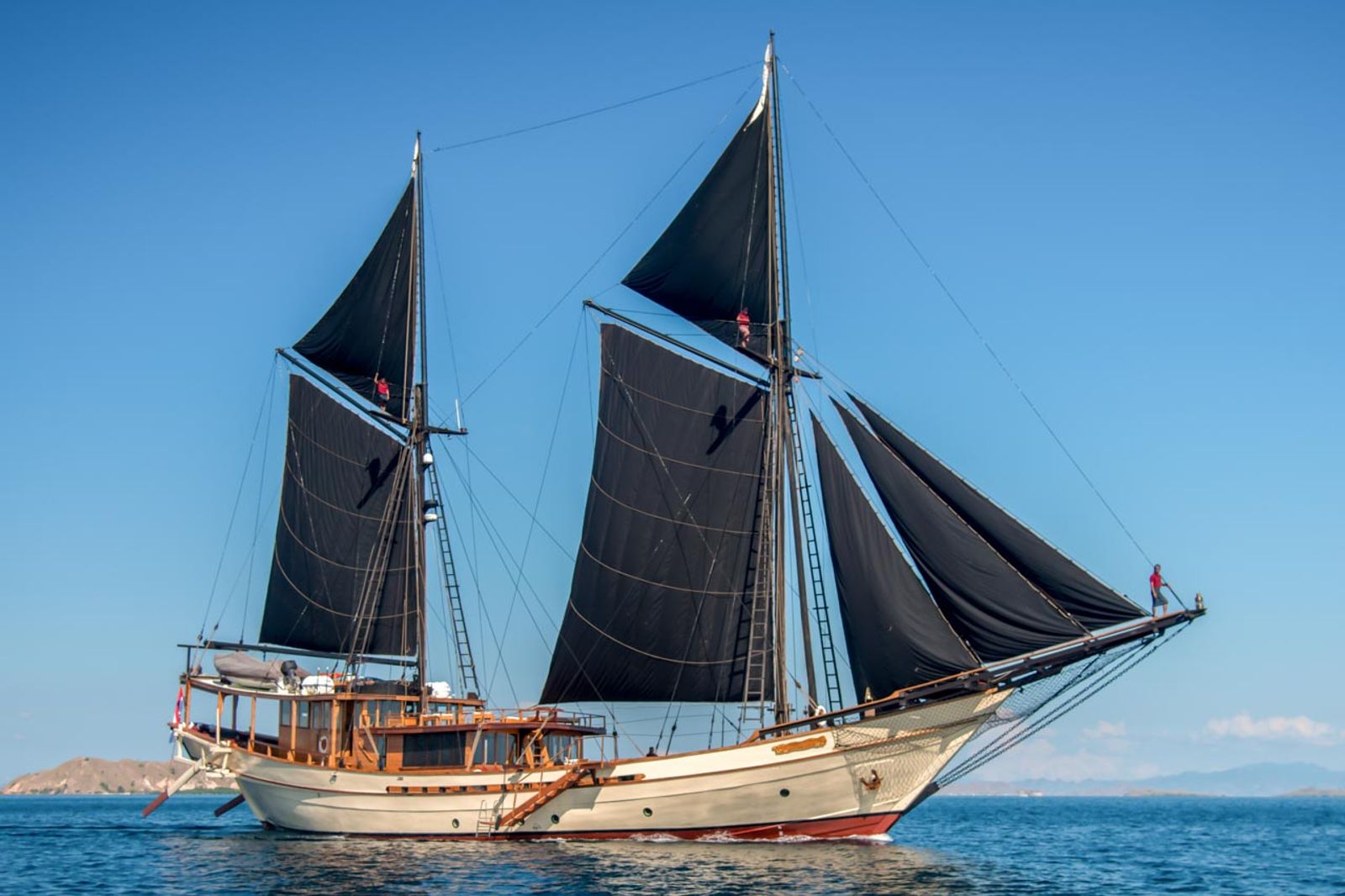
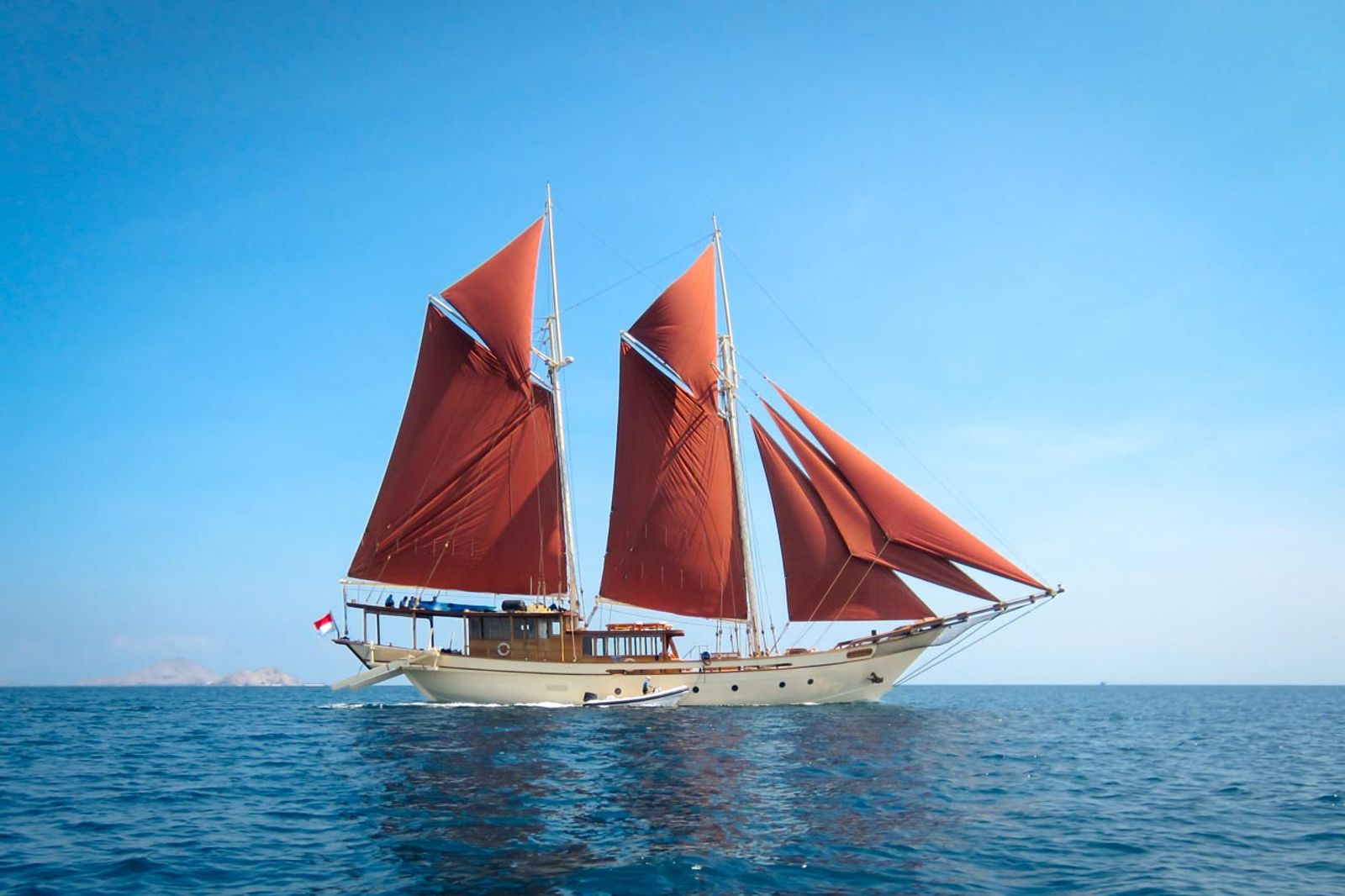
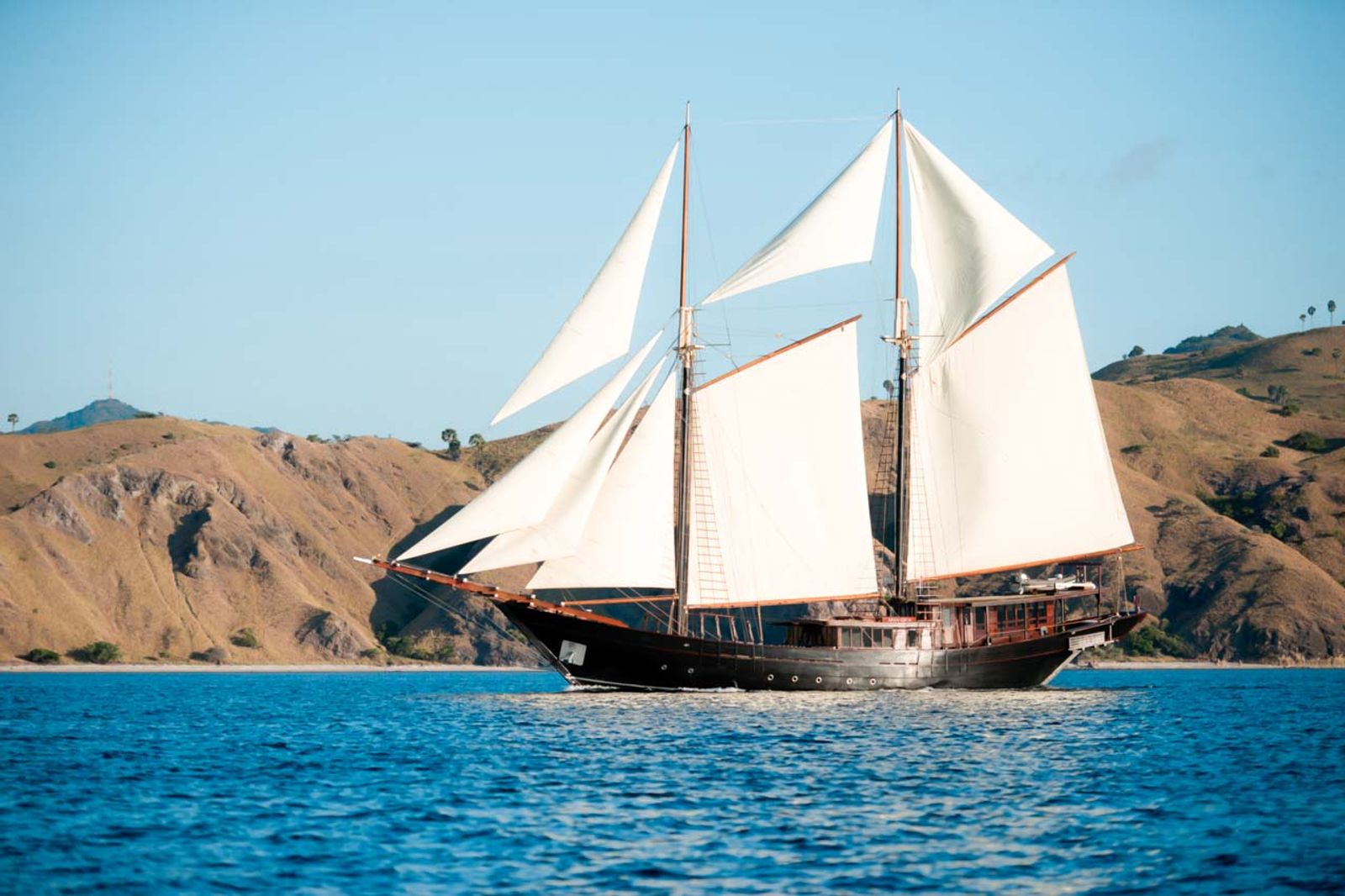
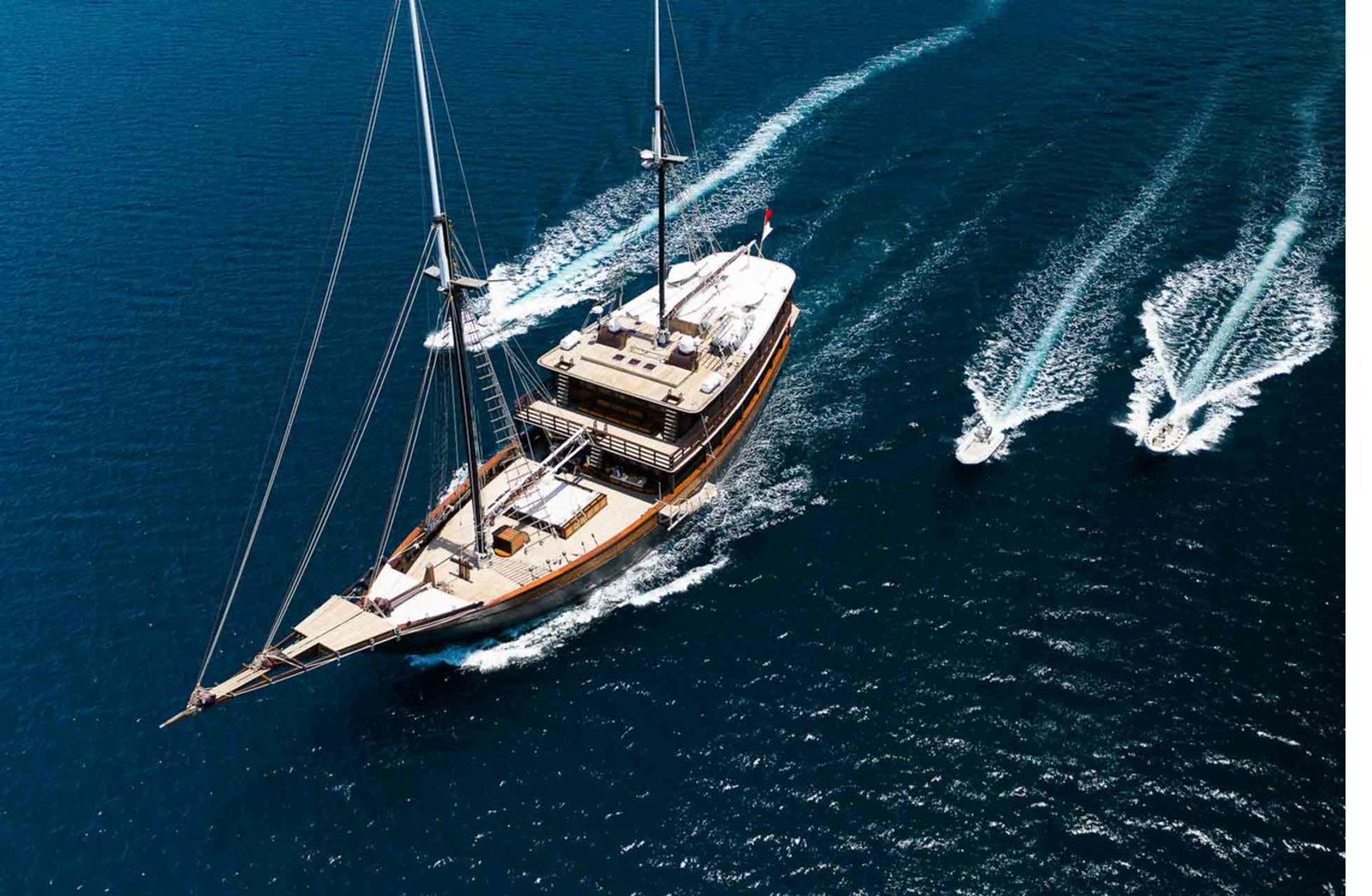
Reaching Wakatobi requires purpose, by private charter flight or liveaboard yacht, and that purposeful effort is itself a kind of filter. The guests who arrive here come for immersion, not convenience. The reefs reward exactly that.