



Si Datu Bua
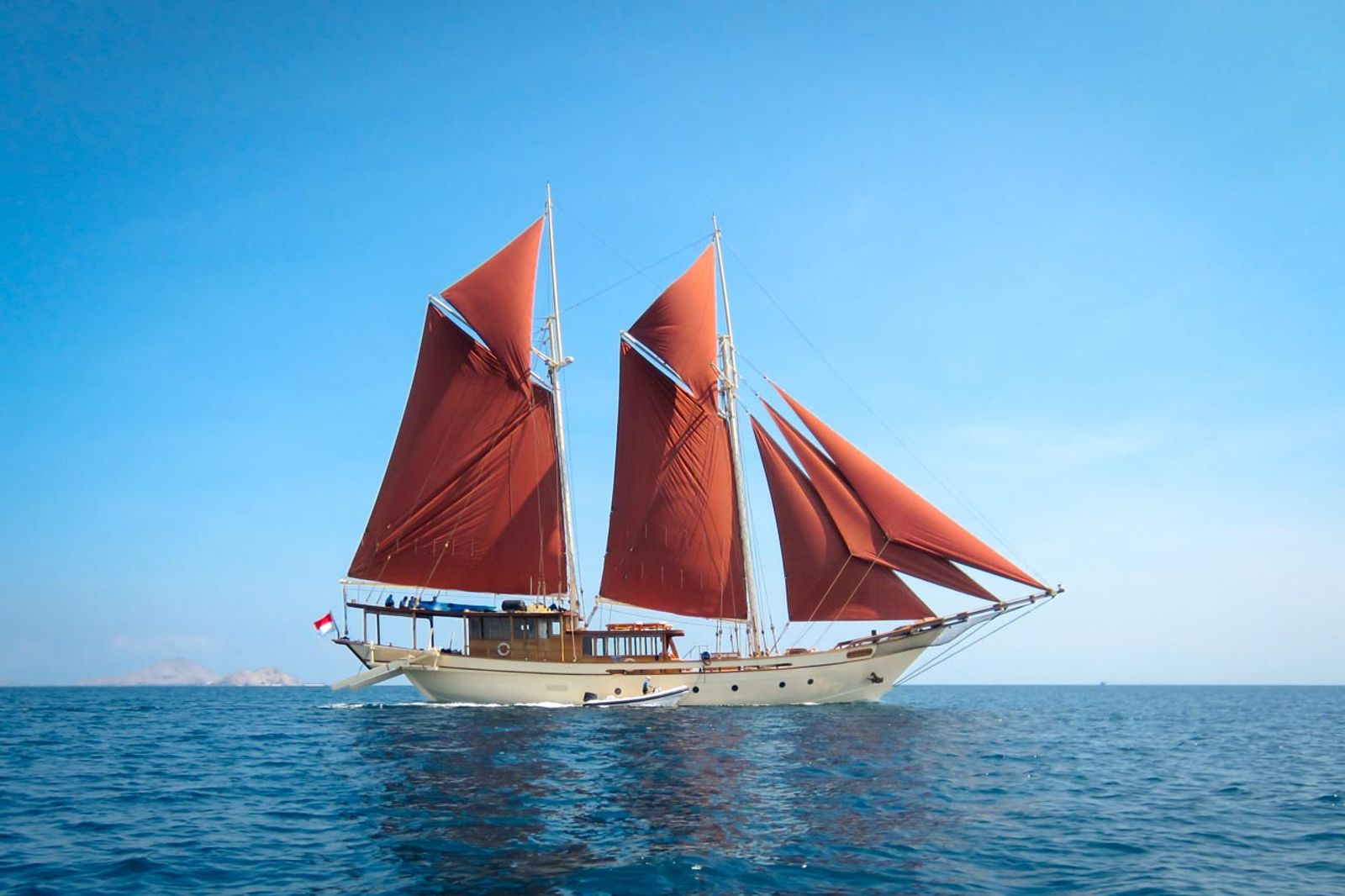
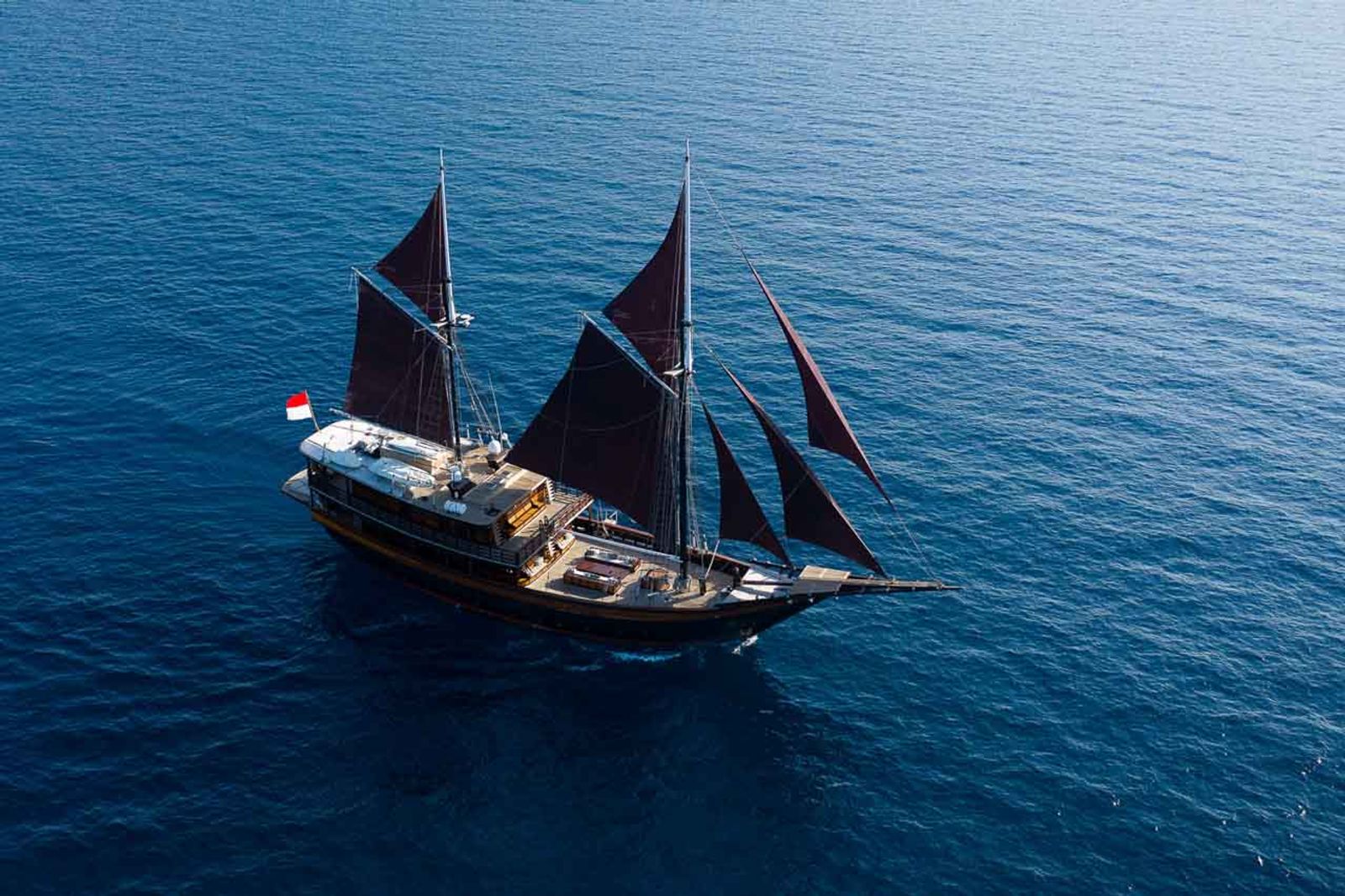
Beloved princess of the ancient spice routes.






The Experience
A Day Aboard Si Datu Bua
Dawn breaks and the dive team is already checking cylinders for the first drop. The site is twenty minutes by RIB: a pinnacle in the Banda Sea where the current pulls cold water up from depth and with it, fish in numbers that reward an early start. Those who want to sleep in find coffee waiting in the lounge, the smell of cardamom mixing with teak and salt air, the crew moving quietly so as not to intrude. By nine, both groups are back aboard and the galley has shifted to breakfast.
The afternoon belongs to the guests. The expedition leader sketches three options: a village on the next island, a snorkel at a site she has been watching the tide on, or nothing at all. All three are equally valid. By sundown Si Datu Bua is at anchor, the sails furled, the foredeck set for dinner under a sky that has no competition from any city. Fifteen crew for nine guests means the glass is refilled before you notice it has gone down.

The Vessel
Technical Specifications


German Lloyds Classification
Si Datu Bua is built and certified to German Lloyds specifications, the same classification standard applied to steel-hulled vessels. This certification confirms structural integrity, stability, fire safety systems, and emergency equipment meet international standards for extended ocean voyages. It is a distinction held by only a handful of wooden phinisi in operation.
Accommodation
Three Chambers of the Spice Route
The three air-conditioned cabins, Banda, Toradja, and Celebes, each carry a king bed and a bathroom with bathing facilities integrated into carved teak panels and antique accents. Authentic colors, textures, and traditional motifs endow Si Datu Bua with a relaxed yet distinctive atmosphere inspired by the rich heritage along the ancient spice trade routes from the Celebes to the Banda Islands.
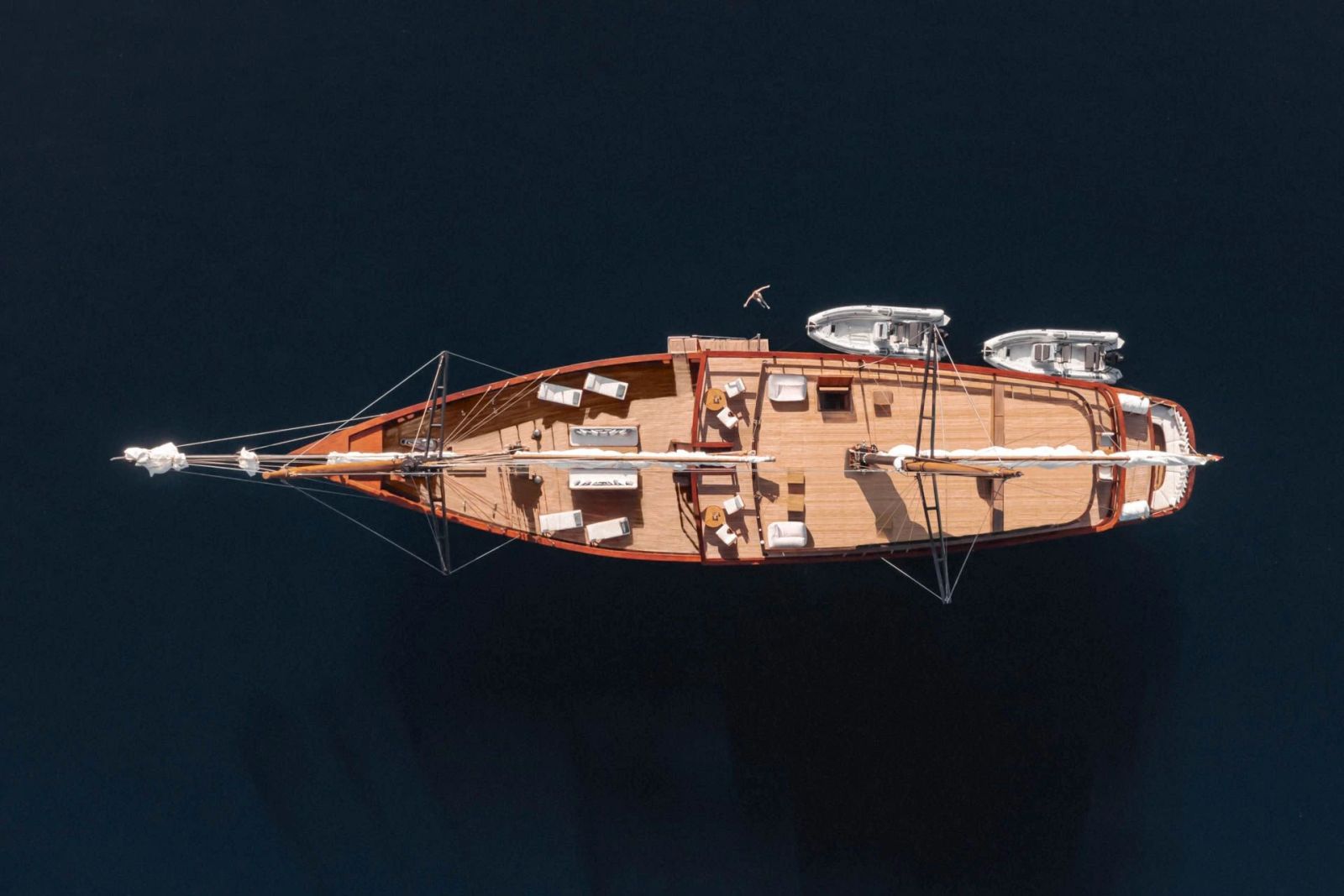
Common areas extend the same design philosophy outward. The lounge and dining room can be closed off from the heat or opened fully to the sea. The foredeck, cleared for dinner, puts guests beneath stars uninterrupted by any landward light. Three cabins and nine guests produce a quiet ship.


The red sails come down with the anchor chain, and somewhere below, the reef is already waiting.
The Team
Meet the Crew
A 1:1.7 guest-to-crew ratio means anticipation, not reaction. The captain and expedition leader between them hold decades of Indonesian waters experience, and the PADI instructor has guided guests across every major dive destination in the archipelago.

Master Mariner
15+ years navigating Indonesian and Southeast Asian waters

Expedition Guide
English-speaking; specialist in cultural and ecological expeditions

Dive Professional
Certified instructor; 3,000+ dives in Raja Ampat and Banda Sea

Island Kitchen
Indonesian and Asian fusion cuisine; adapts daily to local markets
Charter Rates
Si Datu Bua Pricing
Komodo National Park
April to September
$87,500 /week
Spice Islands & Banda Sea
October
$87,500 /week
Raja Ampat
November to March
$87,500 /week
All rates plus 12% Indonesian VAT. Raja Ampat itineraries carry a $5,000 per week surcharge.
Included
- Professional crew of 15
- All gourmet meals and non-alcoholic beverages
- Airport transfers to and from port
- National park fees
- English-speaking expedition leader
- Use of all water sports and dive equipment
- Personal laundry services
Additional
- Alcoholic beverages
- PADI certification courses
- Dive and trip cancellation insurance
- Satellite phone communications
- Repositioning fees
- Crew gratuity (customary 10-15%)
Si Datu Bua Itineraries
Itineraries planned around Indonesia's seasons for optimal conditions and wildlife. Each begins here, then becomes yours through the planning conversation.

Dive Intensive
Extreme Komodo
Five nights of jam-packed diving through dragon territory.

Most Popular
To The Land of Dragons
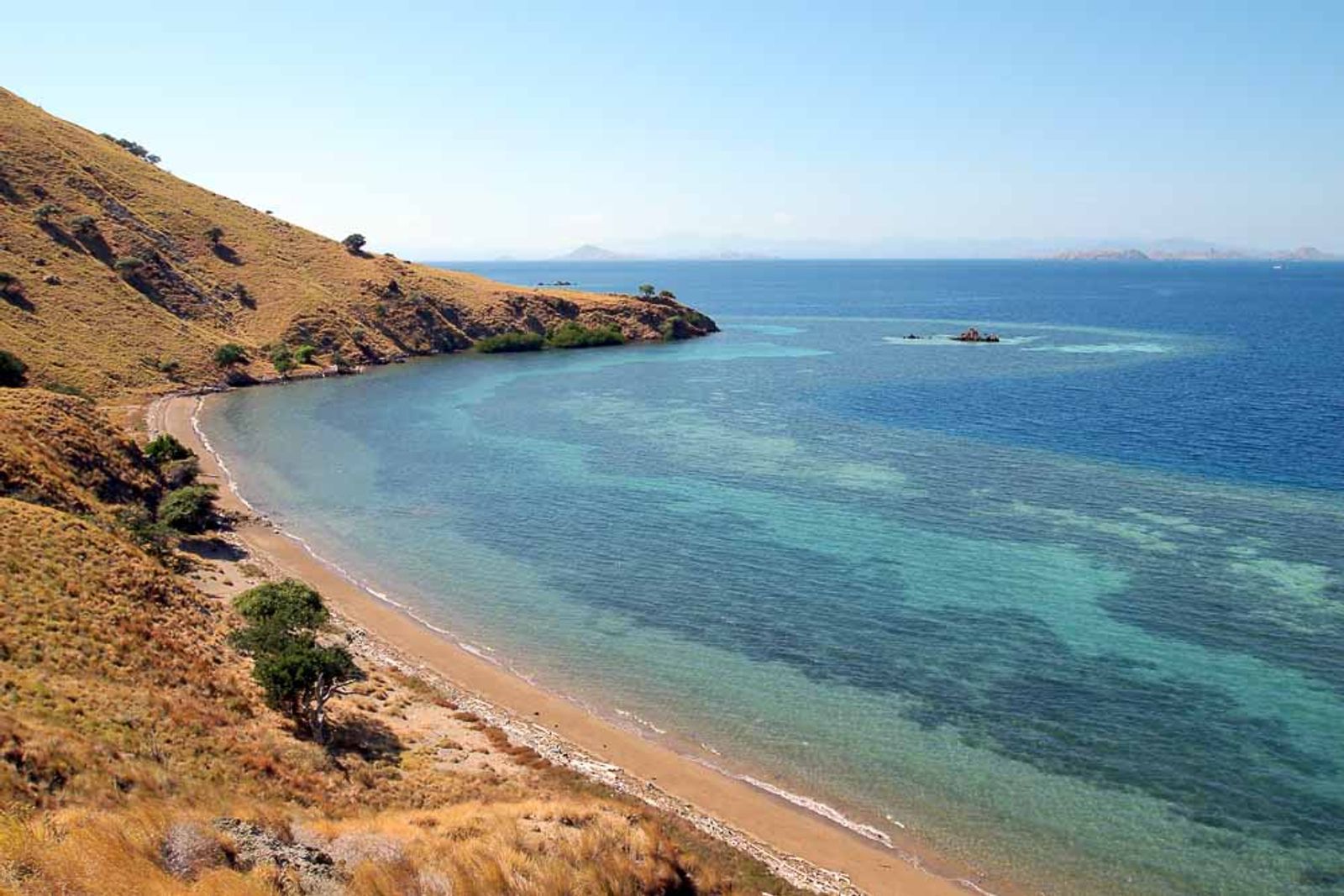
Time stands still on this dramatic landscape.
Raja Ampat
The Last Paradise
Both north and south Raja Ampat in a single week.
Where Si Datu Bua Sails
Raja Ampat from November through March. Komodo from April through September. Other destinations and times of year on request.

You May Also Like
Si Datu Bua FAQ
How much does it cost to charter Si Datu Bua?
Si Datu Bua charters at USD $12,500 per night across all regions and seasons. Rates are subject to 12% VAT. Minimum charter duration is 4 nights, with most guests booking 7 nights or more. Repositioning fees may apply when moving between regions.
How many guests can Si Datu Bua accommodate?
Si Datu Bua accommodates up to 9 guests in 3 air-conditioned double cabins, each with king beds and private en-suite bathrooms. The yacht also accepts single-cabin bookings once per year for smaller parties seeking a more private experience.
Is Si Datu Bua suitable for diving?
Yes. Si Datu Bua carries a resident PADI Instructor, two air compressors, and a full dive shop with equipment for up to 8 divers including wetsuits, BCDs, regulators, masks, and fins across all sizes. Three RIBs allow simultaneous dive and surface activity groups.
Where does Si Datu Bua cruise?
Si Datu Bua follows Indonesia's seasons: Komodo National Park from April to September, the Spice Islands and Banda Sea in October, and Raja Ampat from November to March. Extended itineraries reach Thailand, Myanmar, and the Andaman Islands of India.
From the Journal
Dispatches from Indonesia's most extraordinary waters. Yacht features, expedition reports, and the stories behind our most memorable charters.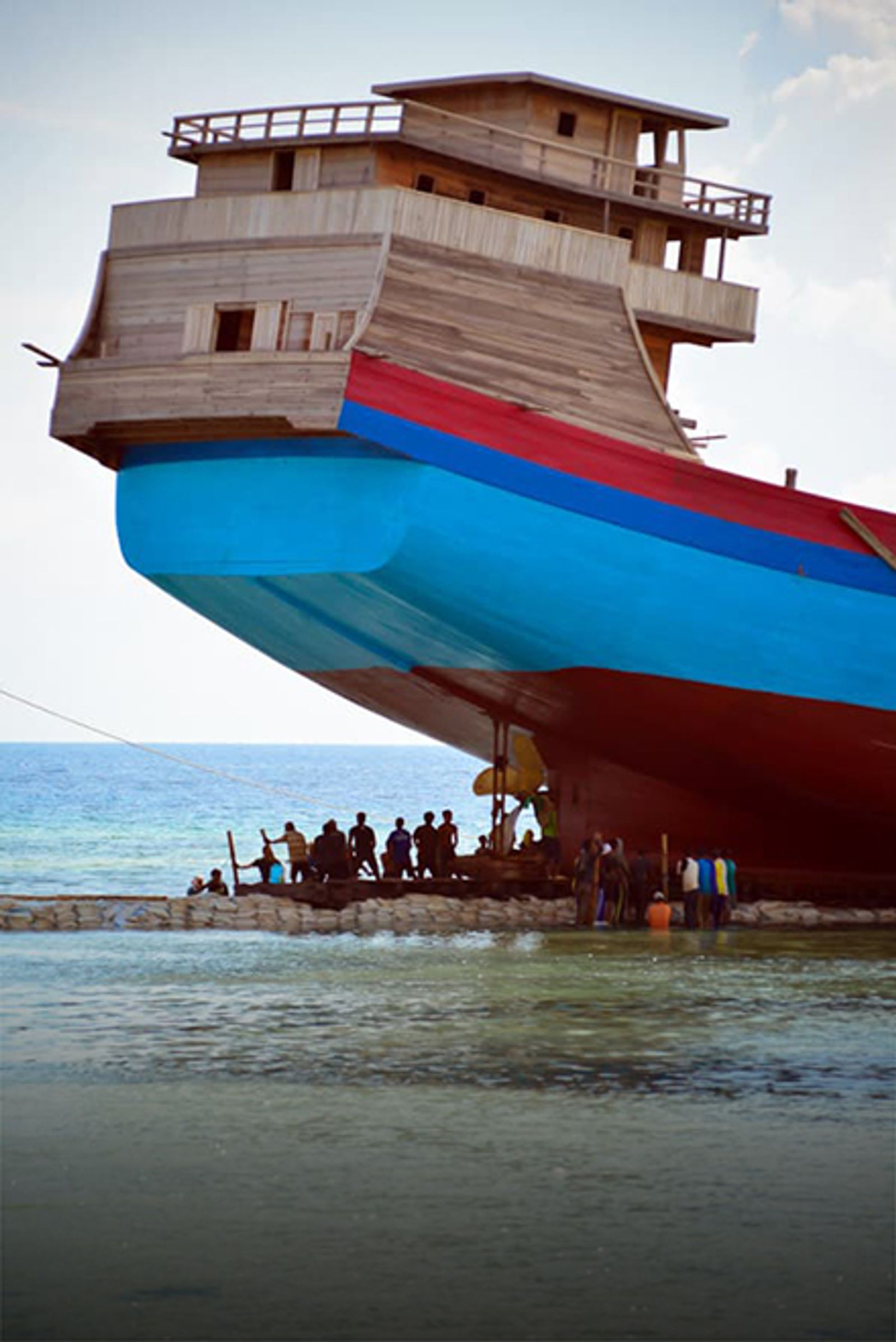

Charter Guides
Everything you need to know before chartering in Indonesia. From costs and logistics to destination comparisons and packing lists.

Interested in Chartering Si Datu Bua?
Please get in touch to discuss planning your private charter.