West Sumba
The Surf Coast
Sumba's southwestern coast absorbs the full force of Indian Ocean swells, producing powerful, consistent breaks for experienced surfers seeking true wilderness conditions.
Empty Lineups Powerful Reef Nihiwatu


Indonesia's Wild East Frontier.
The Neolithic Age still bears its mark on this remote island encroaching on the Savu Sea, attracting a trickle of adventure-driven culture fanatics and seasoned surfers. Megalithic tombs abound in villages of thatched clan houses, a reminder that in Sumba, ancient rituals are still part of daily life.
Journey inland and the indigenous animist religion, Marapu, unfolds in sacrificial rites and the use of effigies paying homage to the balance of universal life. Sumba's arid savannah coupled with its distinct cultural traditions create a backdrop steeped in mysticism unlike anywhere else in the world.
The island's exposed southern coastline bears the brunt of howling Indian Ocean swells, producing powerful surf in complete isolation. Offshore, clear deep waters draw divers in search of truly off-the-beaten-track encounters. Inland, uncharted paths lead to historic settlements within deciduous forests where the flora and fauna represent an unusual mix of Asian and Australasian origin.

Traditional Sumbanese clan houses cluster around megalithic tombs that mark ancestral lineage
Rock-strewn hills blanketed in Alang grass bear the brunt of howling winds on Sumba's southern coast. The exposed coastline attracts swells creating conditions for otherworldly surf safaris in total isolation. Unlike the crowded lineups of Bali or Lombok, Sumba's breaks are shared with almost no one.
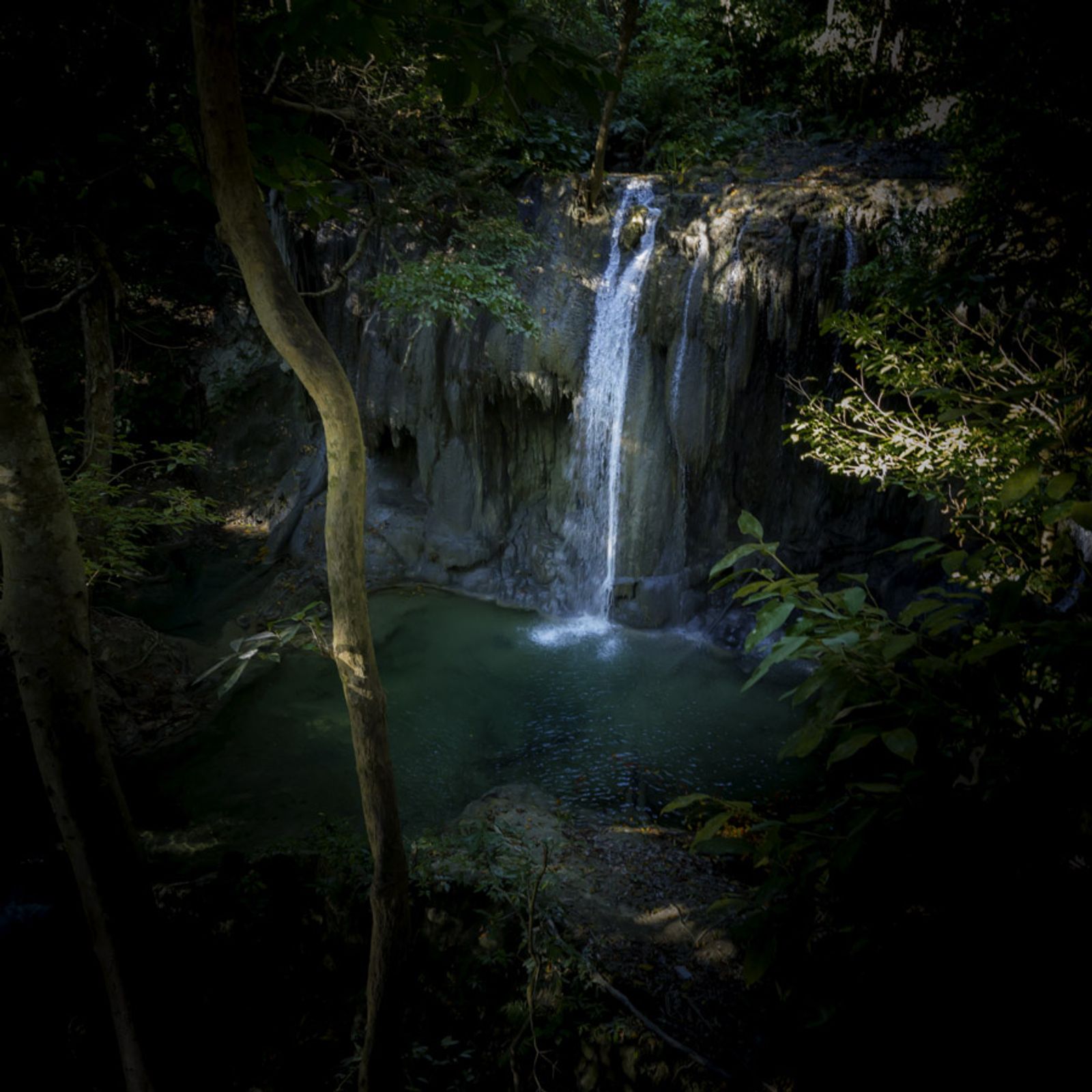
Off the coast, deep waters draw fishing boats and divers looking for a truly off-the-beaten-track destination. Weaving through lush jungles, Sumba's rivers are the waterways of life, cascading down waterfalls and ending at expansive, empty beaches.
Heading up the rivers makes for ideal trekking through sparsely populated wilderness inhabited by colorful endemic birds, further adding to Sumba's allure. The thinly populated island has little road infrastructure along the coast, making any foray a recipe for guaranteed adventure.

One of Sumba's most revered practices is ikat: the dyeing and hand-weaving of textiles that can take months to prepare. The results are remarkable, and single pieces carry stories of clan lineage, spiritual power, and Sumbanese identity. Visiting a weaving village is one of the most intimate cultural encounters in all of Indonesia.
Wild horses still roam free along Sumba's coast and grasslands, a sight that evokes the African plains more than an Indonesian island. During the Pasola Festival period, the island transforms into a living theater of ancient ritual, color, and ceremony.
Ikat Textiles
Hand-woven ceremonial cloths, months in the making
Wild Horses
Free-roaming herds along the southern coastline
Marapu Rituals
Living animist ceremonies still practiced today


Sumba is not a destination you reach by accident. Its remoteness demands local knowledge: the right approach to its surf breaks, the correct season to witness Pasola, the villages that welcome visitors. Our charter team has navigated Sumba's coastline since 2015, building relationships with local guides, cultural custodians, and the island's surf community.
Every Sumba itinerary we design reflects real operational knowledge: where to anchor safely, which waterfall treks reward the effort, and how to time arrival at a traditional village for the most authentic encounter.
Since 2015
Operating in Sumba
Village-Level
Cultural Permissions
Komodo or Bali
Most Common Pairing
Sumba divides broadly into three regions, each with its own character, terrain, and signature draw. A well-planned 7- to 10-night itinerary typically takes in all three.
West Sumba
Sumba's southwestern coast absorbs the full force of Indian Ocean swells, producing powerful, consistent breaks for experienced surfers seeking true wilderness conditions.

Central Highlands
Set at 600m above sea level, Waikabubak sits amid mahogany plantations and rarely visited traditional settlements, offering the most immersive cultural experience on the island.
East Sumba
The east cuts a picture of sultry savagery: coral limestone and high, windblown hills marking a place firmly rooted in time. Waingapu, the island's trading hub, draws merchants and travelers on market Saturdays.
Sumba rewards those who seek depth. From powerful surf breaks to sacred villages and quiet waterfalls, every experience here feels genuinely unfiltered.

West Sumba, Surf
One of the world's most celebrated private surf breaks, producing long, powerful lefts over a shallow reef.

West Sumba, Surf
A powerful beach break drawing swells directly from the Indian Ocean, offering consistent surf in complete isolation.

West Sumba, Nature
A turquoise saltwater lagoon formed where the ocean meets a natural rock basin, perfect for swimming in flat, clear water.

Central Highlands, Culture
One of Sumba's most photogenic ancestral villages, where conical thatched rooftops and stone slab tombs are still in daily use.
Coastal Habitats & Wildlife
Positioned along the Wallace Line, Sumba hosts a unique crossover of Asian and Australasian species found nowhere else in quite the same combination.
Rhyticeros everetti
An endemic hornbill found only in Sumba's forests, identifiable by its distinctive yellow bill and dark plumage.
Ninox rudolfi
A small endemic owl found along the southern forest edges, most active at dusk in the moist hillside habitat.
Ptilinopus dohertyi
A spectacularly colored endemic fruit dove found in Sumba's evergreen coastal forests, a prized sighting for birders.
Equus caballus sumbanus
Small, hardy horses that run wild along Sumba's coast and grasslands, central to the Pasola Festival and Sumbanese identity.
When to Go
Sumba's charter season runs April through October. The southeast monsoon makes June through August demanding on the south coast; surf charters on expedition-calibre vessels run this window deliberately for the largest Southern Ocean swell of the year, often combining Sumba with Savu and Rote. April and October are the calmest months and suit a wider range of guests.
Peak Season: September through December
The dry season delivers the most reliable conditions for both surfing and cultural exploration. September to December offers consistent southeast trade winds, flat anchorages on the sheltered north coast, and the best surf swell periods on the south. Visibility offshore is excellent.
Shoulder Season: January through May
January through May is equally rewarding, particularly for guests hoping to witness the Pasola Festival in February or March. Surf remains powerful and consistent. Some northerly weather can affect anchorages in February. May brings the first hints of the transitional season.
| Month | Conditions | Visibility | Mantas |
|---|---|---|---|
| January | Good | 20-25m | Medium |
| February | Very Good | 25-30m | Medium |
| March | Very Good | 25-30m | High |
| April | Excellent | 25-35m | High |
| May | Excellent | 25-35m | High |
| June | Good | 20-25m | Medium |
| July | Variable | 15-20m | Low |
| August | Variable | 15-20m | Low |
| September | Very Good | 25-30m | High |
| October | Excellent | 25-35m | High |
| November | Excellent | 25-35m | High |
| December | Good | 20-25m | Medium |
June through August: Monsoon Season
The northwest monsoon brings heavy rain, rough seas, and difficult conditions for coastal navigation. Most charter operators pause Sumba itineraries during this period. Exceptions are possible on sheltered routes but require experienced captains.
Travel Logistics
Tambolaka serves West Sumba and is the recommended gateway for charters focused on the surf coast and cultural highlands. Regular connections via Bali (Denpasar) take approximately 1.5 hours with Garuda Indonesia, Citilink, and Wings Air. Bali connections are available daily; Lombok connections operate two to three times weekly.
Waingapu serves East Sumba and is convenient for itineraries that begin in the east before heading west. The same Bali connections apply. Some charters embark at one airport and disembark at the other, allowing a full island traverse.
Private charter flights from Bali to either Sumba airport can be arranged in under 90 minutes. For groups of 6 or more, private aviation often makes both logistical and cost sense. Our travel support team handles all arrangements.
1.5 hrs
From Bali
2 Airports
TMC & WGP
Daily
Bali Connections
From the Charter Team
Insider Knowledge
More than a decade of Sumba charters has taught us things that don't appear in any guidebook.
The Pasola Festival date is set by local nyale-worm priests, not a fixed calendar date. It typically falls between February and March, varying by village. We track local predictions each year and build flexibility into February and March Sumba itineraries to catch it.
Approaching a Sumbanese village without proper introduction can close doors permanently. Our guides carry betel nut and know the correct greeting rituals. A brief ceremony of respect with the village elder transforms a tourist visit into a genuine welcome.

Sumba's south is spectacularly wild but exposed. Most overnight anchorages are found on the calmer north coast between Waingapu and the northwest tip. We plan day runs to the surf beaches from protected northern anchorages, then return for comfortable evenings.

The best ikat pieces never reach tourist markets. We know three family workshops in East Sumba where master weavers sell directly from their homes. Prices are fair and every purchase goes entirely to the weaver's family. We always make time for at least one visit.

Sumba's endemic species (the Hornbill, Boobook, and Fruit Dove) are most active in the 90-minute window after sunrise. We anchor near forest edges when birding guests are aboard and launch the tender at first light, before the heat silences the canopy.
The deep water immediately off Sumba's south coast holds remarkable pelagic fish populations: GT, wahoo, mahi-mahi, and marlin have all been taken within 30 minutes of leaving a south coast anchorage.
Sample Voyages
Sample voyages from 7 to 10 nights along Sumba's southern coast, combined with Rote, Savu, or Komodo for an extended Lesser Sundas surf and adventure charter.
Year-Round
Swimming with giants in Indonesia's largest marine park.
Wildlife
Wildlife encounters across four islands in seven nights.
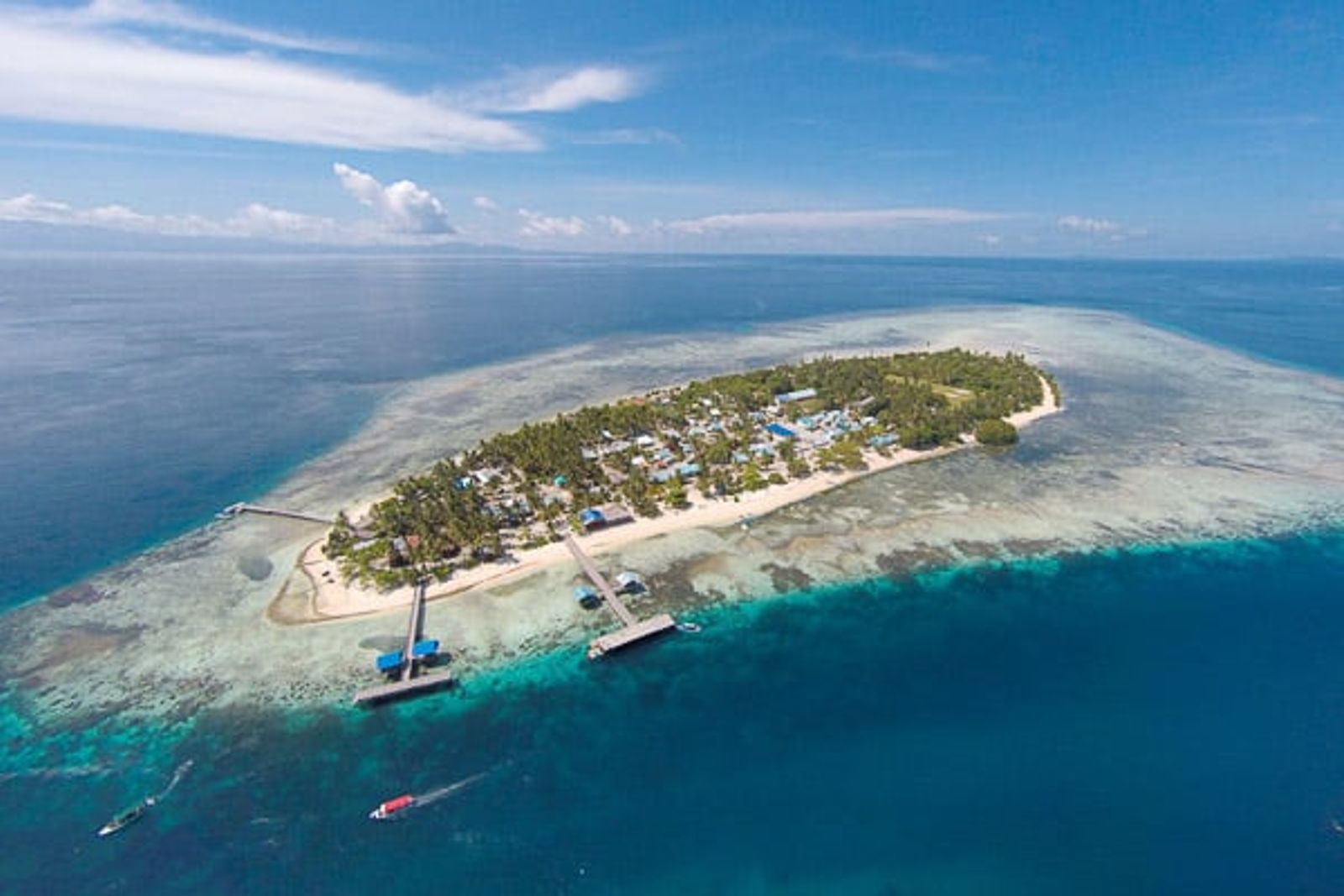
Snorkeling Focus
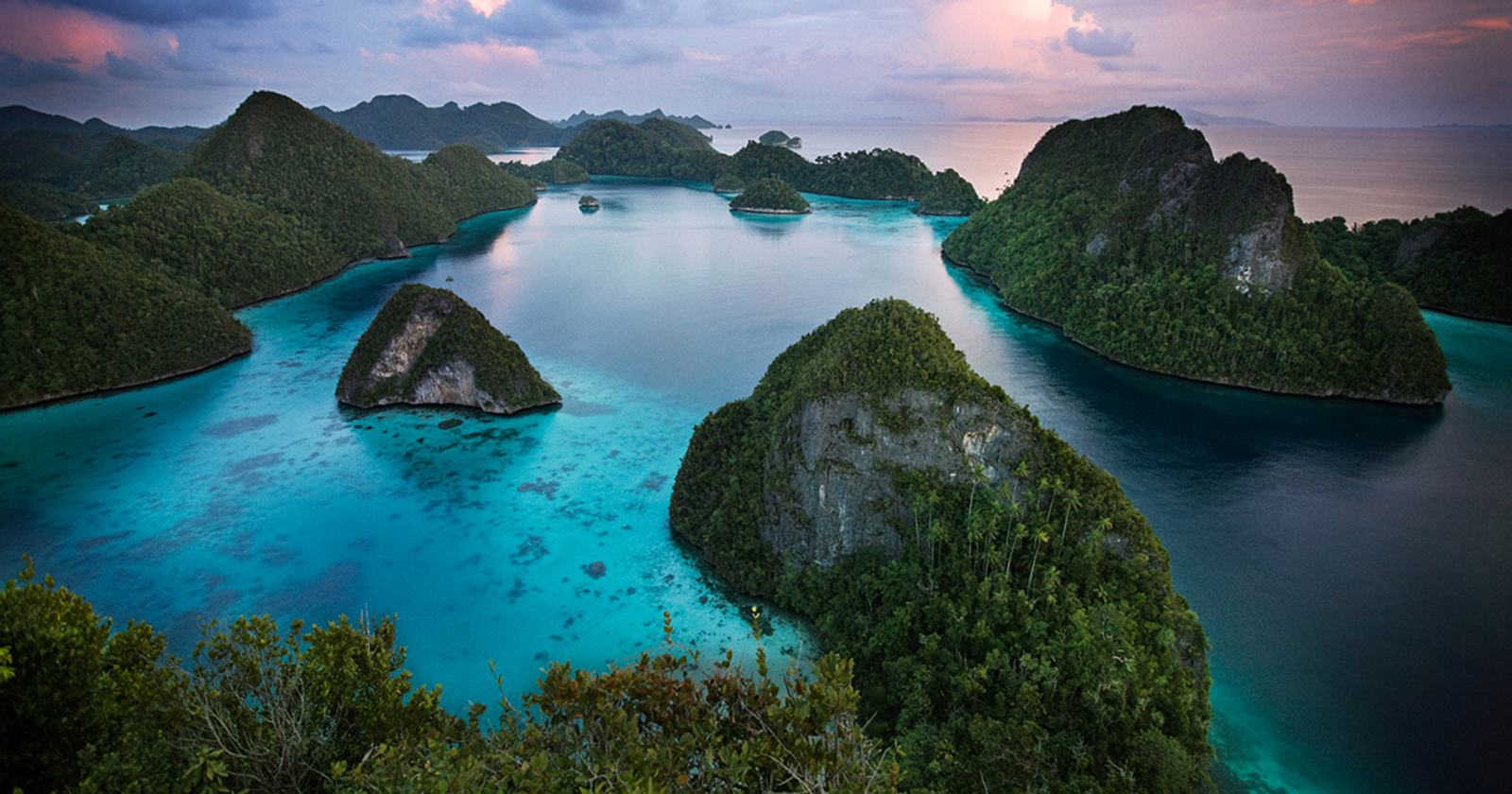
A leisurely cruise through soaring karst pinnacles.
Continue Exploring
Sumba pairs naturally with these destinations on the same Lesser Sundas itinerary, each reachable by yacht from a Bali departure.
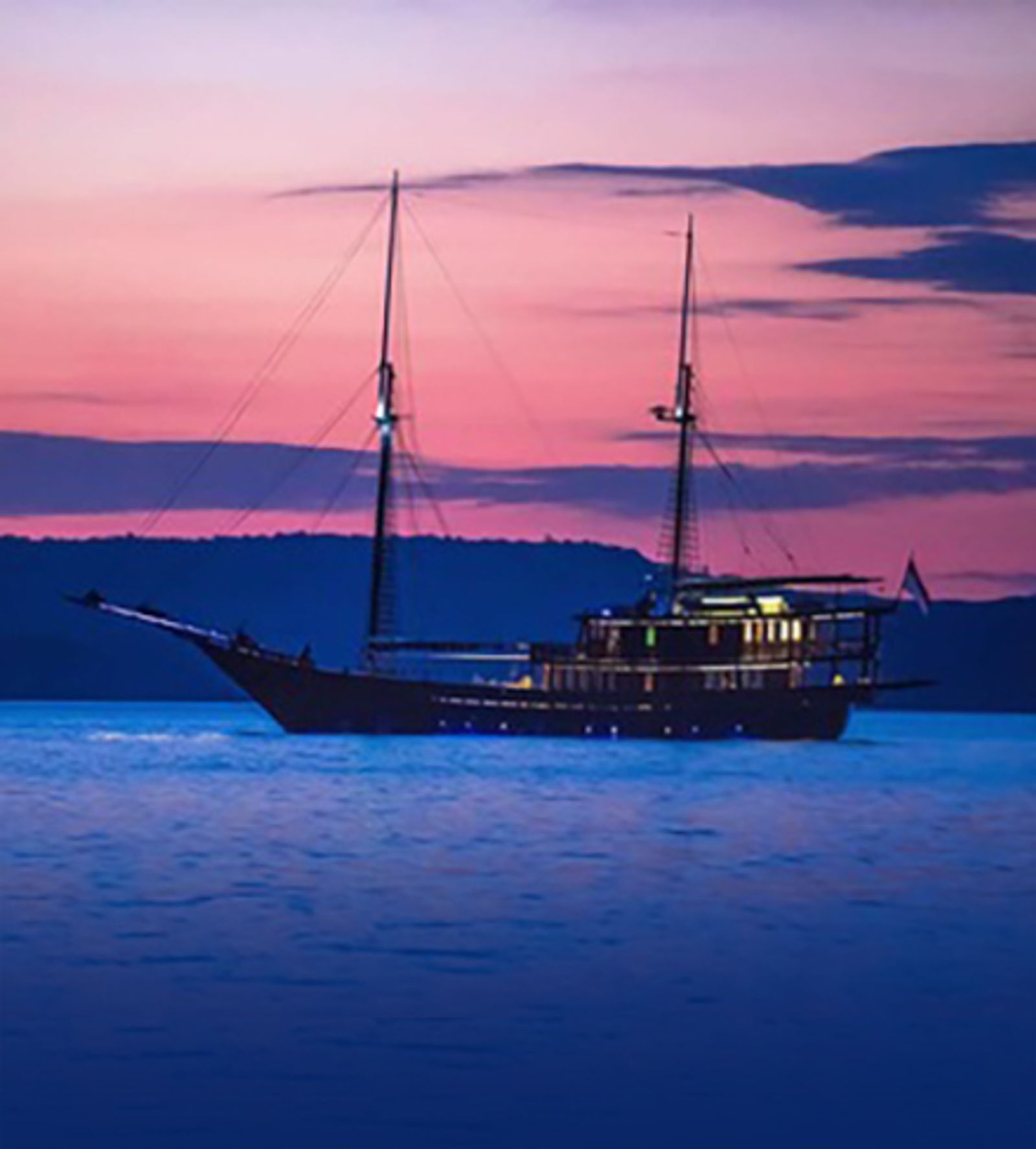
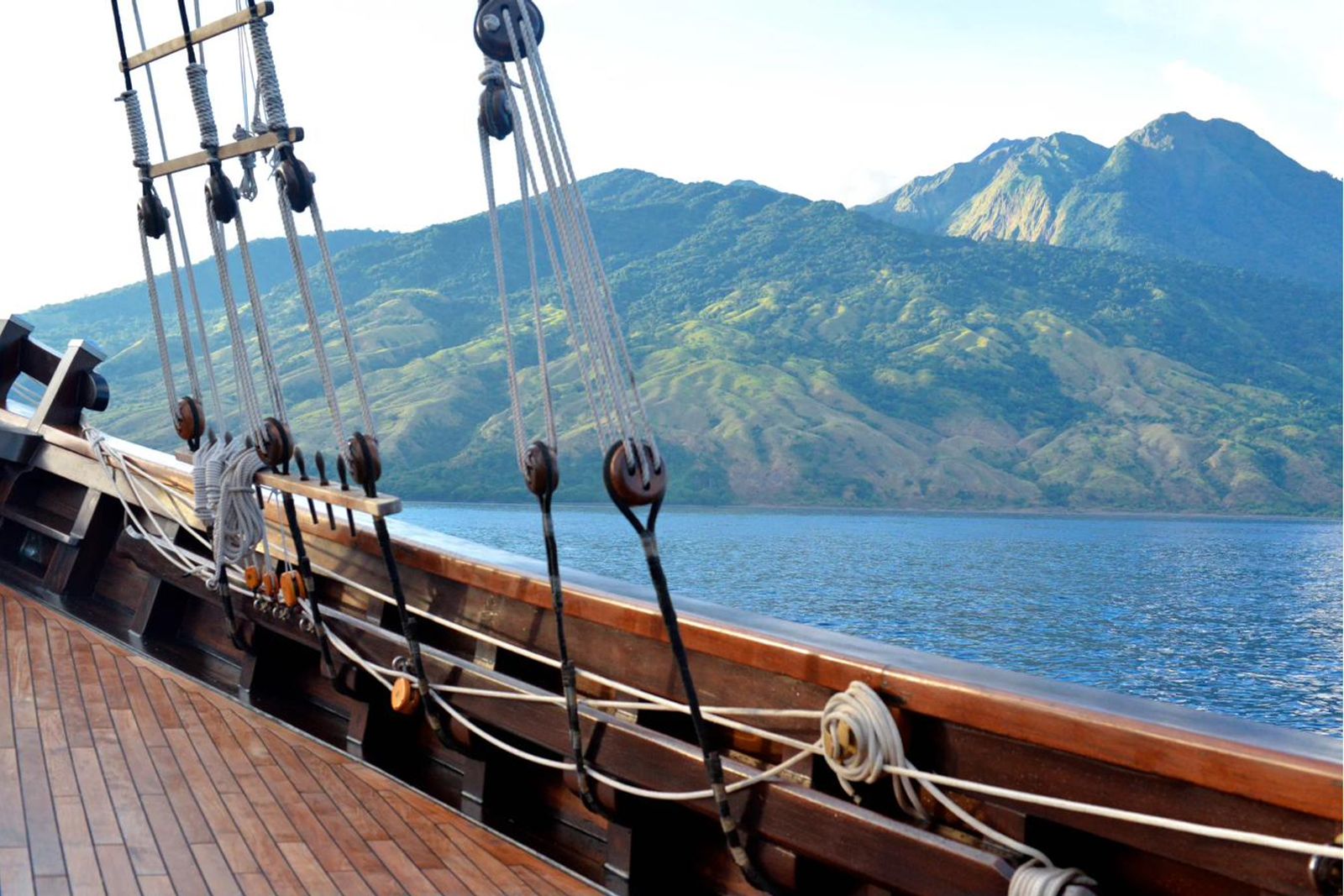
April through October is the charter season. For surf, July and August produce the largest swells and are best suited to expedition-calibre vessels, often on a combined Sumba, Savu, and Rote charter. April and October are the calmest months. For the Pasola Festival in February or March, we plan a dedicated charter around the festival dates on request.
Absolutely. Sumba's cultural richness, endemic birdlife, waterfalls, snorkeling, fishing, and village visits make it compelling for non-surfers. We design itineraries that satisfy mixed groups with and without surf interests.
Regular commercial flights connect Bali to both Tambolaka (TMC) in the west and Waingapu (WGP) in the east. The flight is approximately 1.5 hours. Private charter flights from Bali are also available.
Sumba's best breaks are powerful and not for beginners. Experienced surfers comfortable on overhead-plus reef breaks will have the most rewarding experience. We always scout conditions before committing to a session.
Interested in Chartering Sumba?
Please get in touch to discuss planning your private charter.