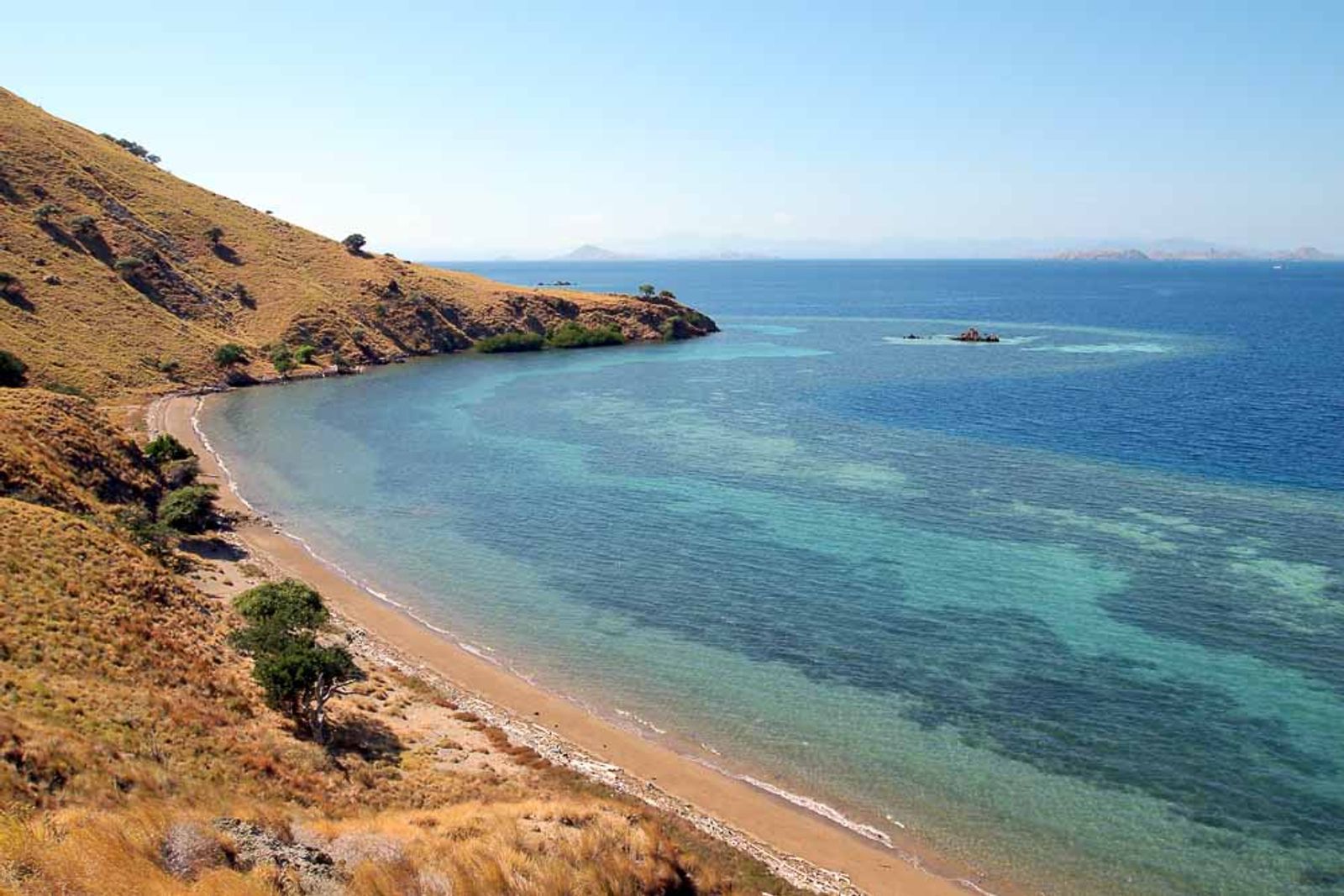
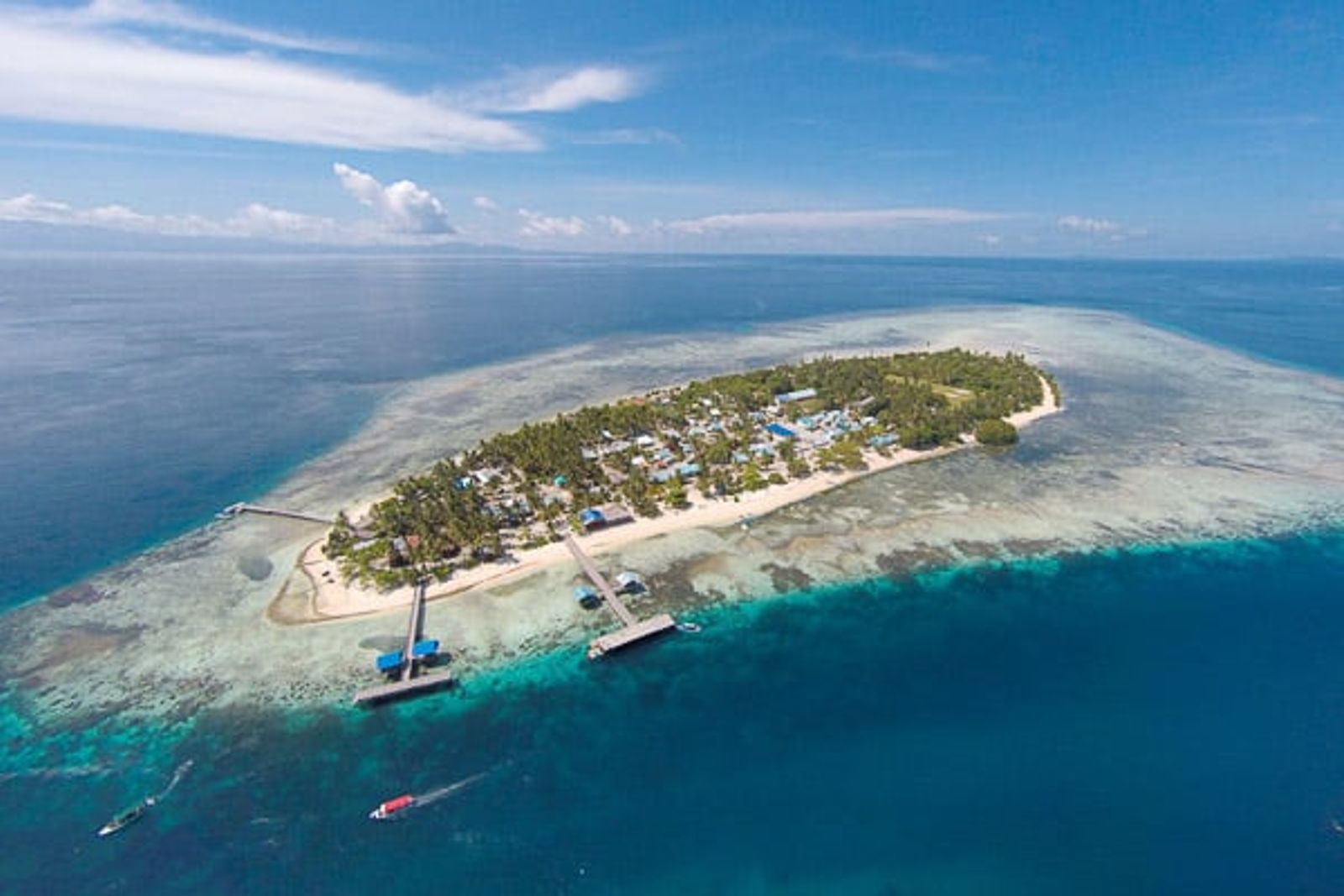
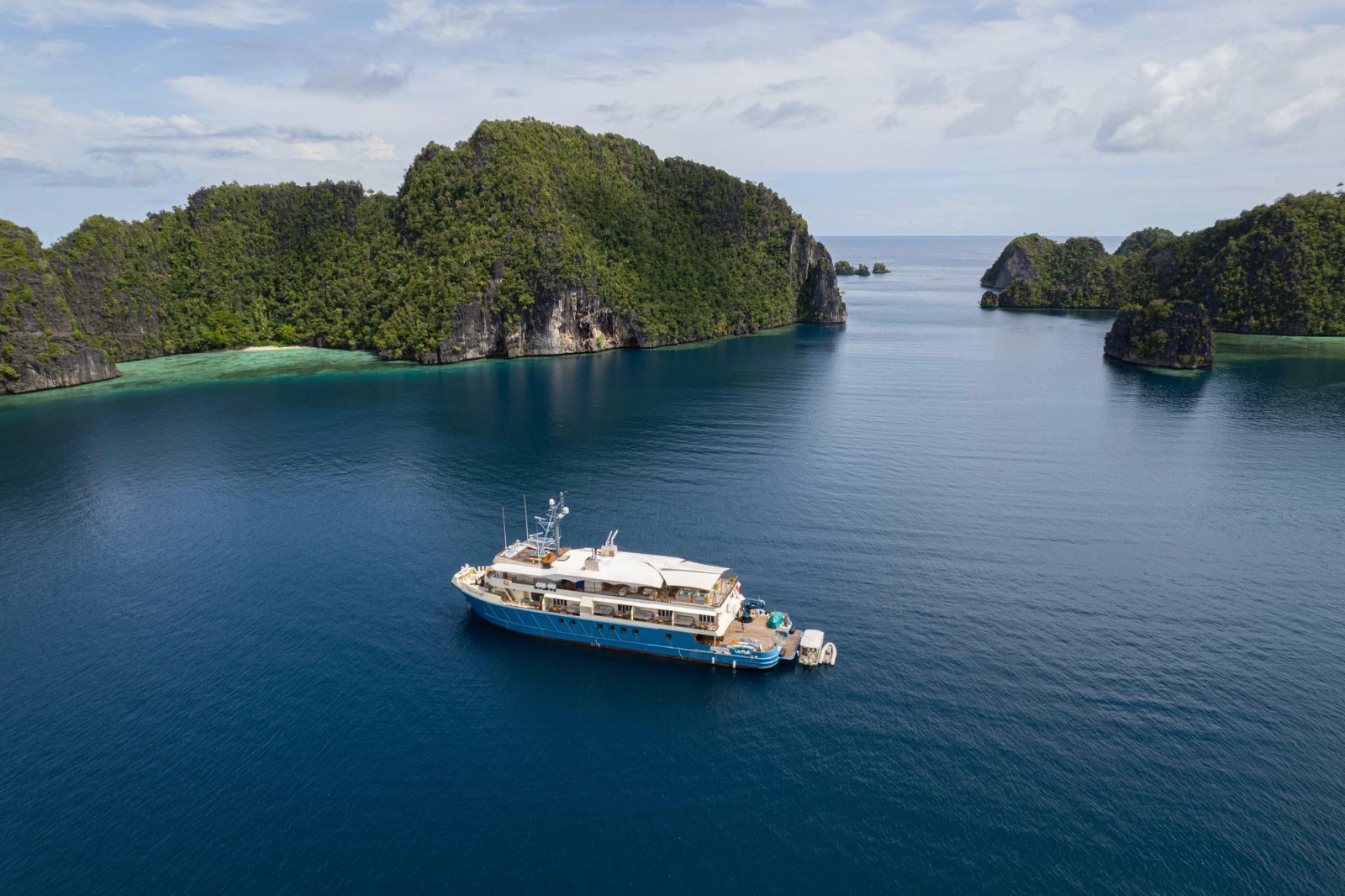
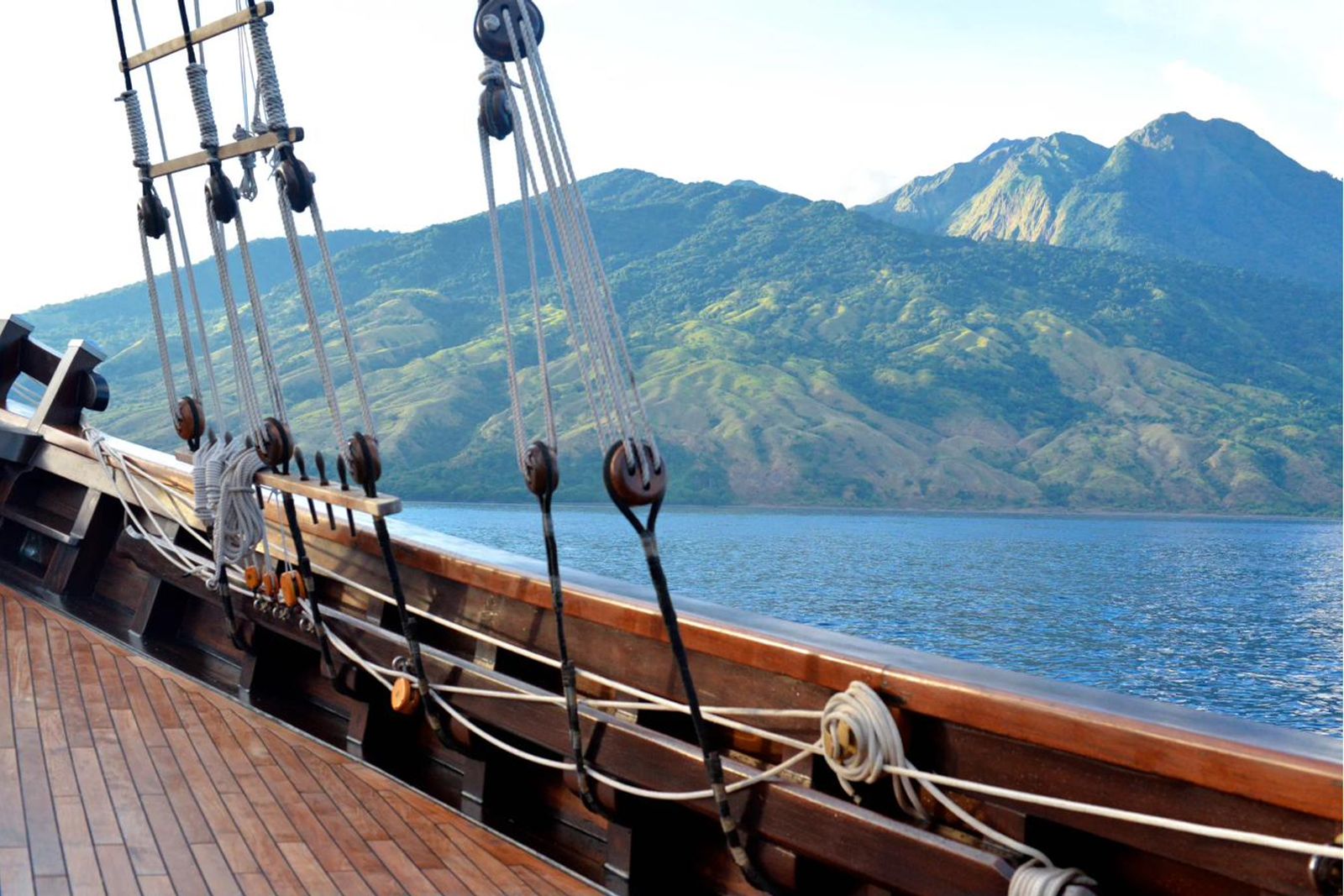
The Banggai Archipelago drifts between Central Sulawesi and the Molucca Sea, a chain of over 100 islands scattered across an inland sea that almost no traveler has visited. Far from the established circuits of Indonesian tourism, this is a destination where the modern world feels genuinely distant. The only boats you will see belong to local fishermen. The only footprints on the beaches are likely your own.
What makes the Banggai Islands exceptional is a specific kind of rarity: this is the only place on earth where the Banggai cardinalfish exists in the wild. This small, striking fish, with its silver body barred in black and dotted white fins, has evolved in complete isolation here. It is one of Indonesia's most recognized endemic marine fish, a designation that draws marine biologists, underwater photographers, and curious travelers to these otherwise untrafficked waters.
Below the surface, vertical walls plunge hundreds of meters into the Banda Sea, draped in black coral and gorgonian fans. Inner lagoons shelter dense fringing reefs alive with frogfish, ribbon eels, and bobtail squid. Across the archipelago, a rapid marine assessment recorded over 314 coral species and 819 fish species, a biodiversity count that rivals destinations many times more famous.
The islands have been home to the Banggai people for centuries, a seafaring society whose kingdom at one time exerted influence across this stretch of the Molucca Sea. On Peleng, the largest island, traces of the old sultanate remain in local customs, traditional weaving patterns, and the distinctive architecture of coastal villages. The Bajau sea nomads, known throughout Southeast Asia for their extraordinary freediving ability and their centuries of ocean-based life, are also present here, living in stilt villages built over the shallows and fishing reefs that tourists have never touched.
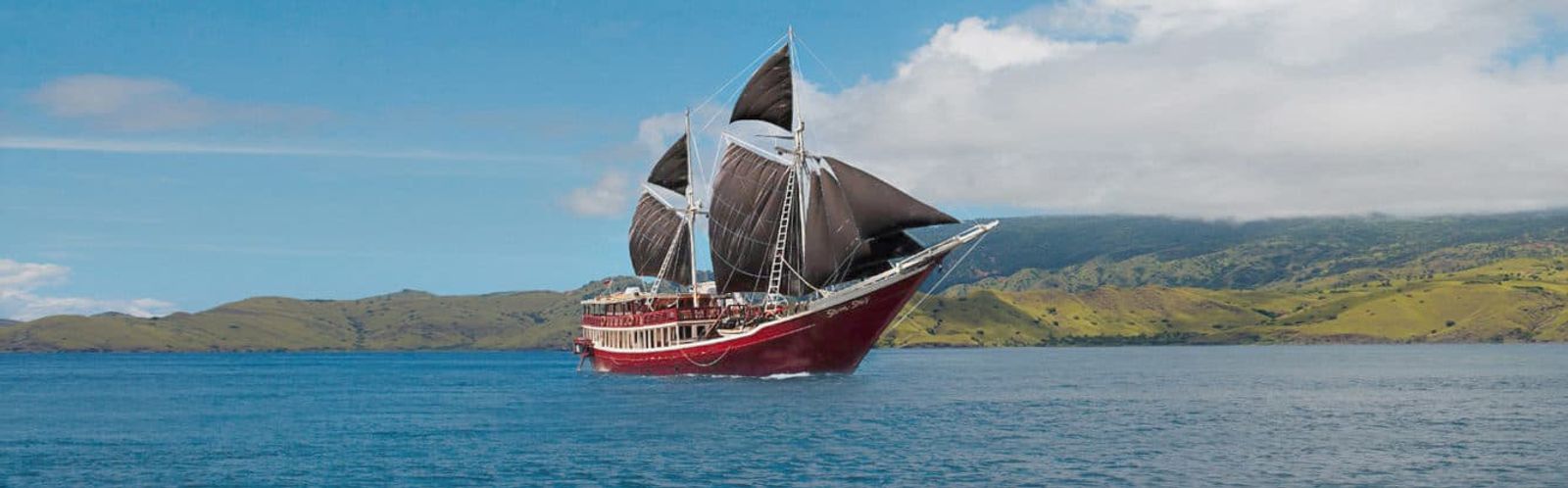
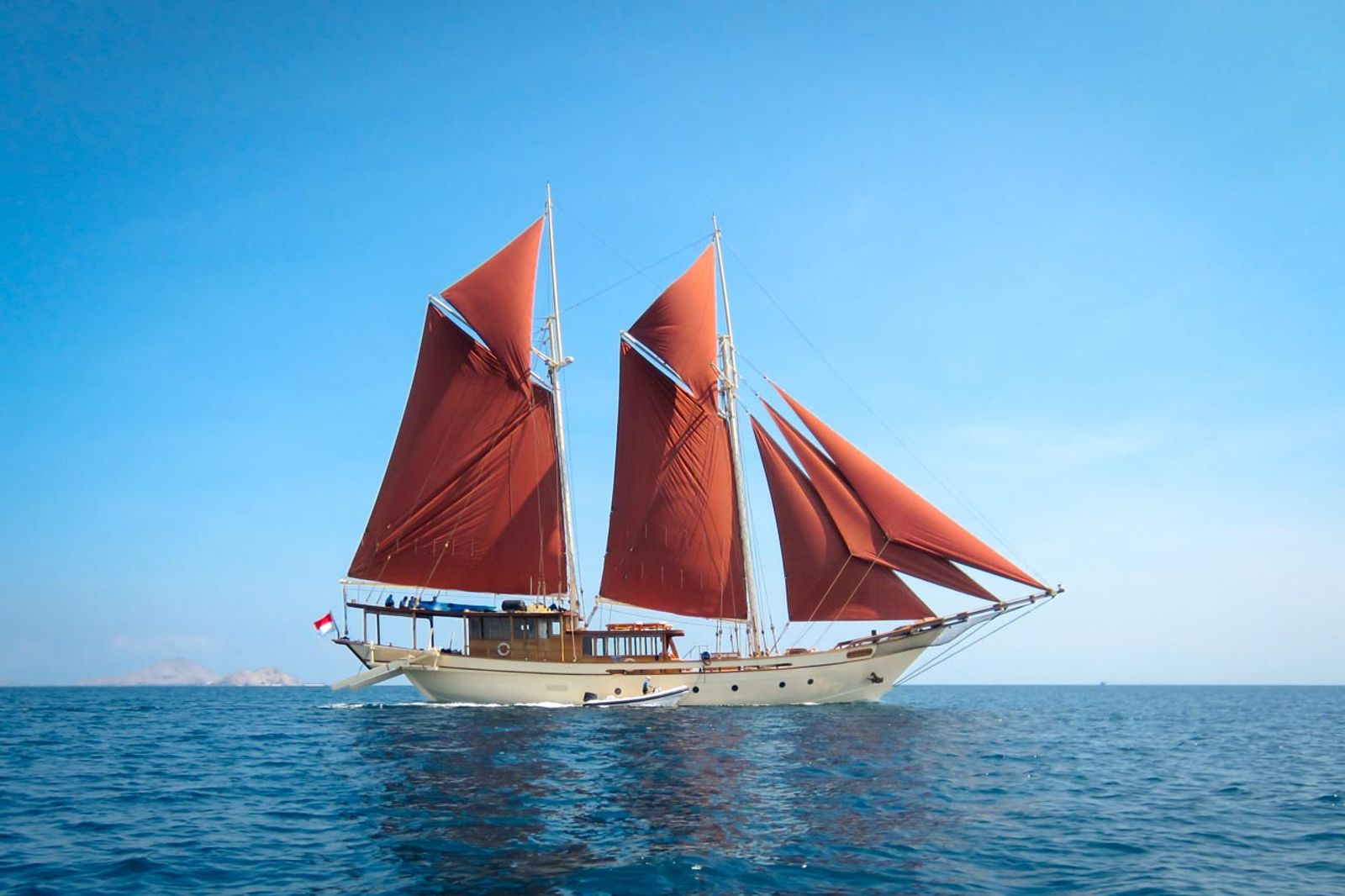
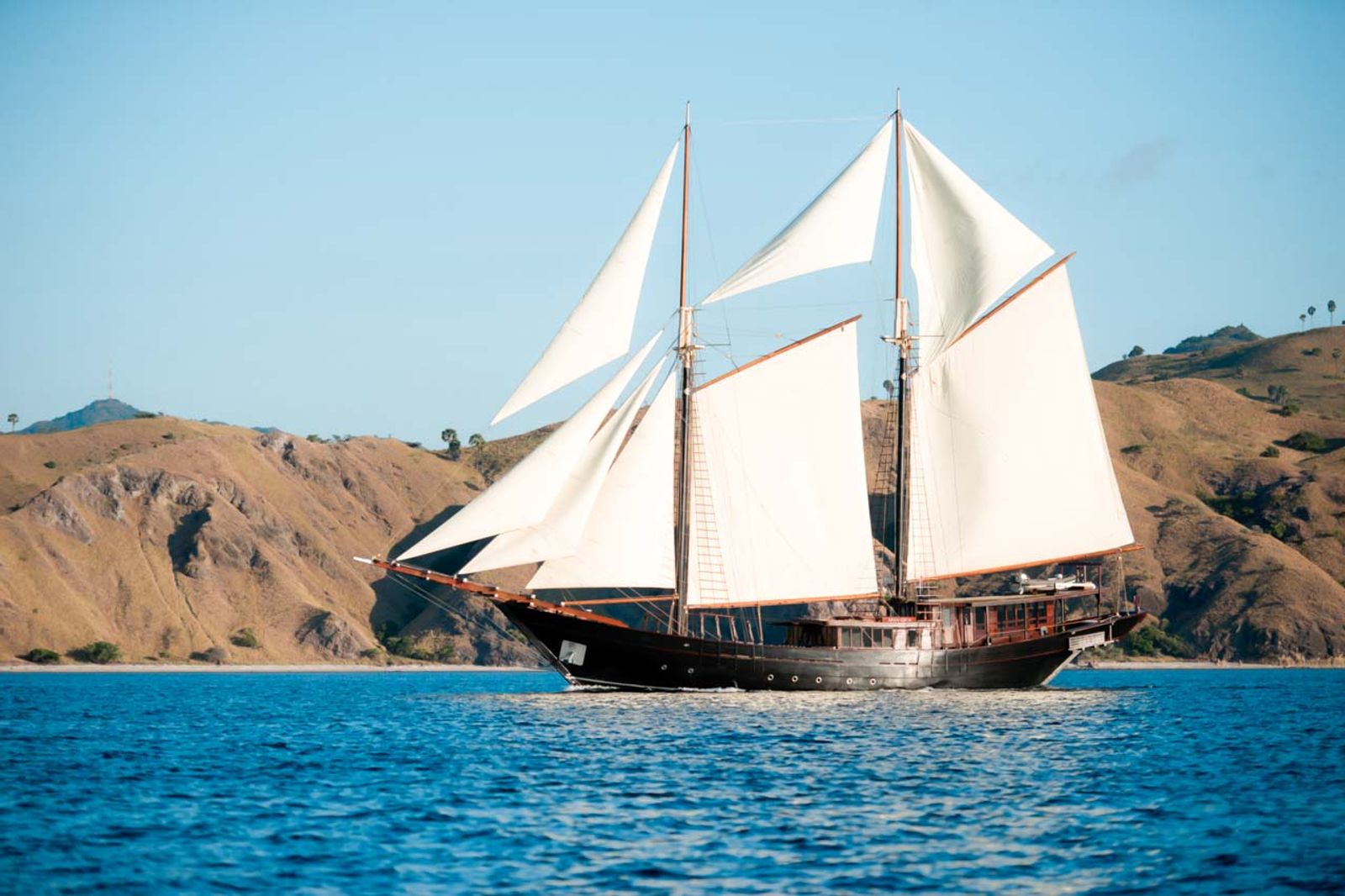
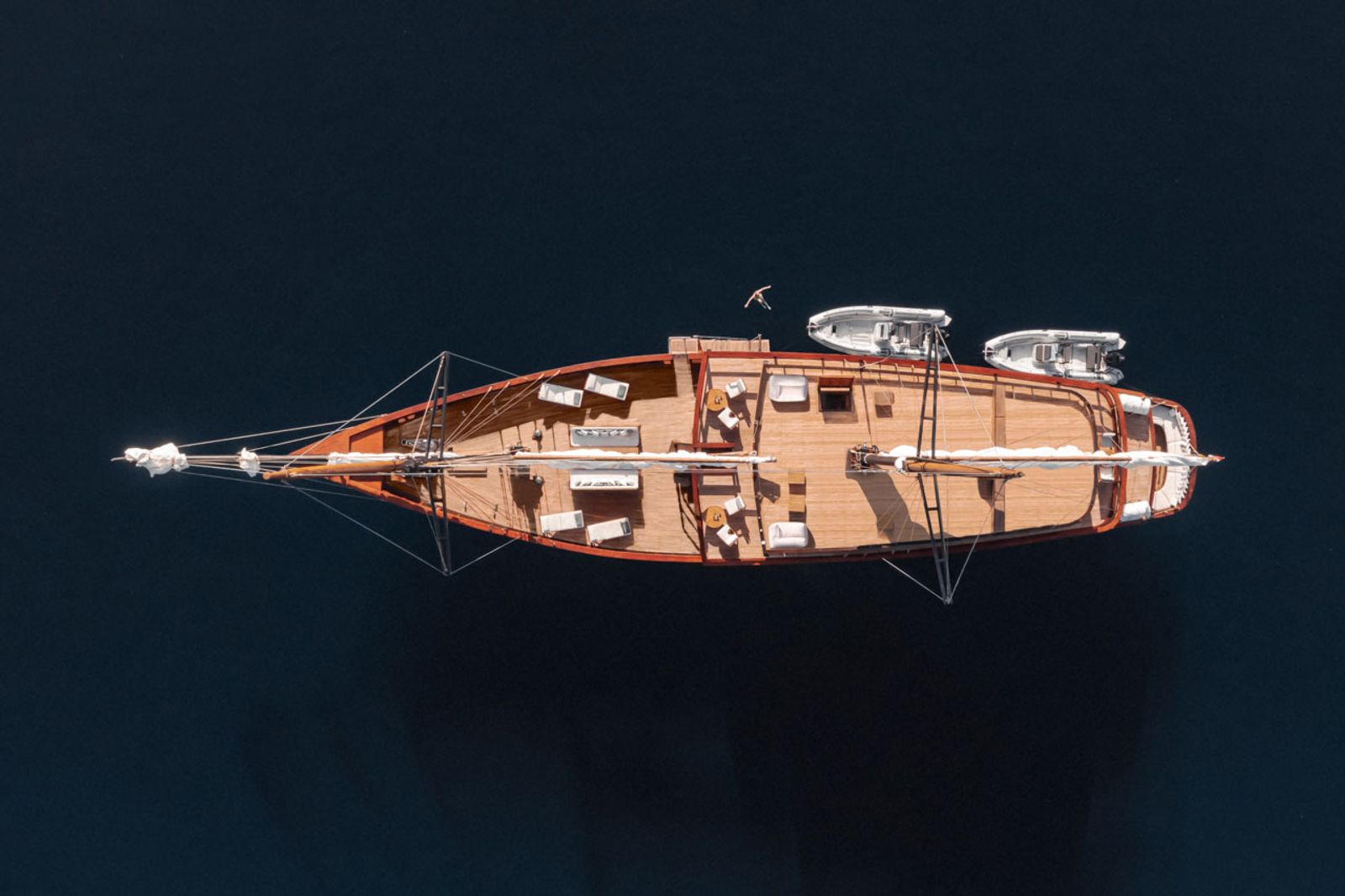
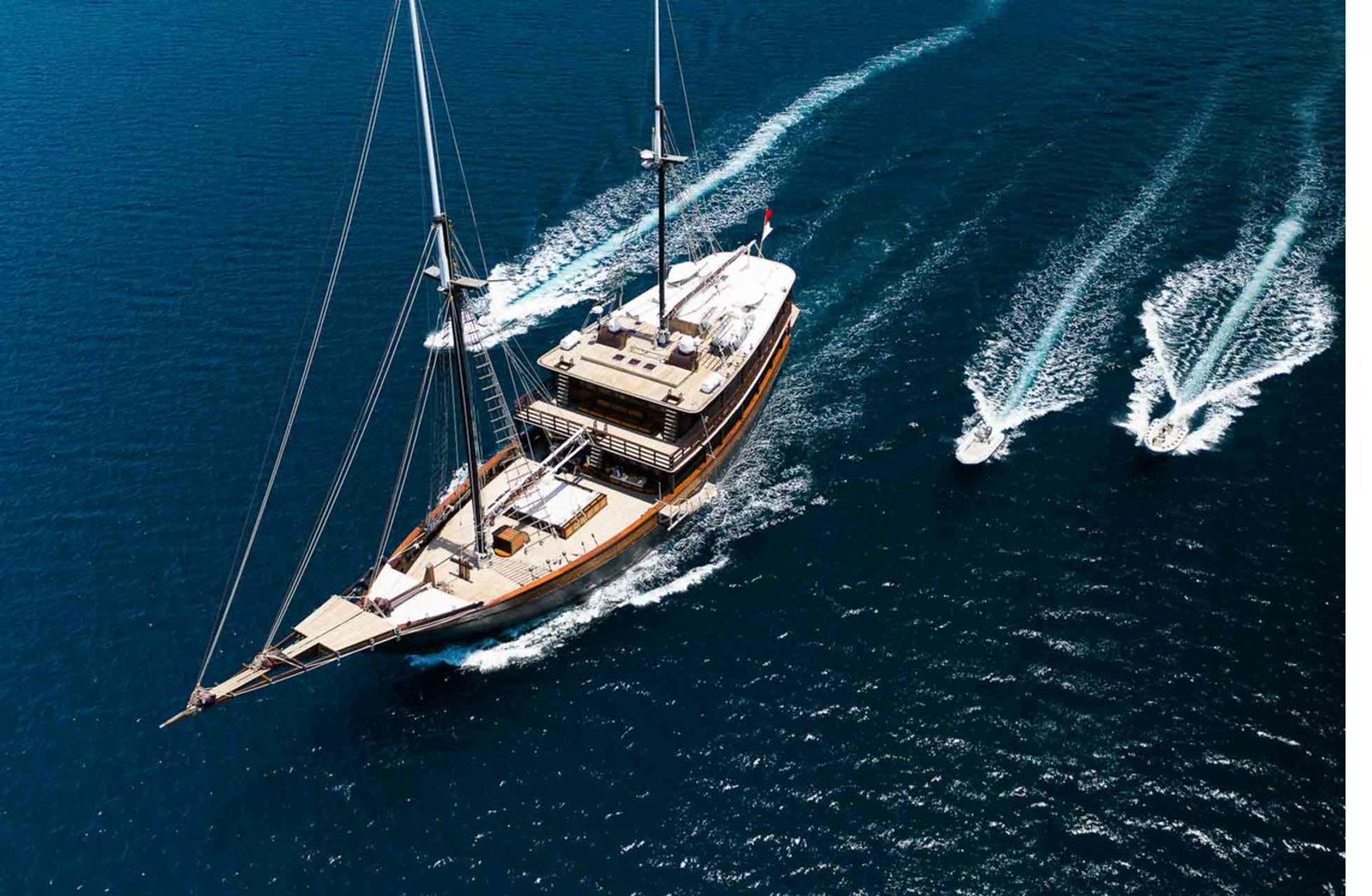
A charter aboard these waters offers something increasingly rare: the chance to be genuinely the first yacht in the bay.