Maluku, Indonesia
Maluku, Indonesia

The Spice Islands

Where the spice trade shaped the world, and the sea remains untouched.

Scroll
Beyond 60m
Banda Sea Visibility
500+ Years
Colonial History
Oct-Apr
Peak Season

Indonesia's Most Storied Archipelago

Long before Raja Ampat had a name on a dive map, the Spice Islands were the center of the world. For two centuries, European powers fought wars, signed treaties, and colonized continents to control the nutmeg and cloves grown here, and nowhere else on Earth.

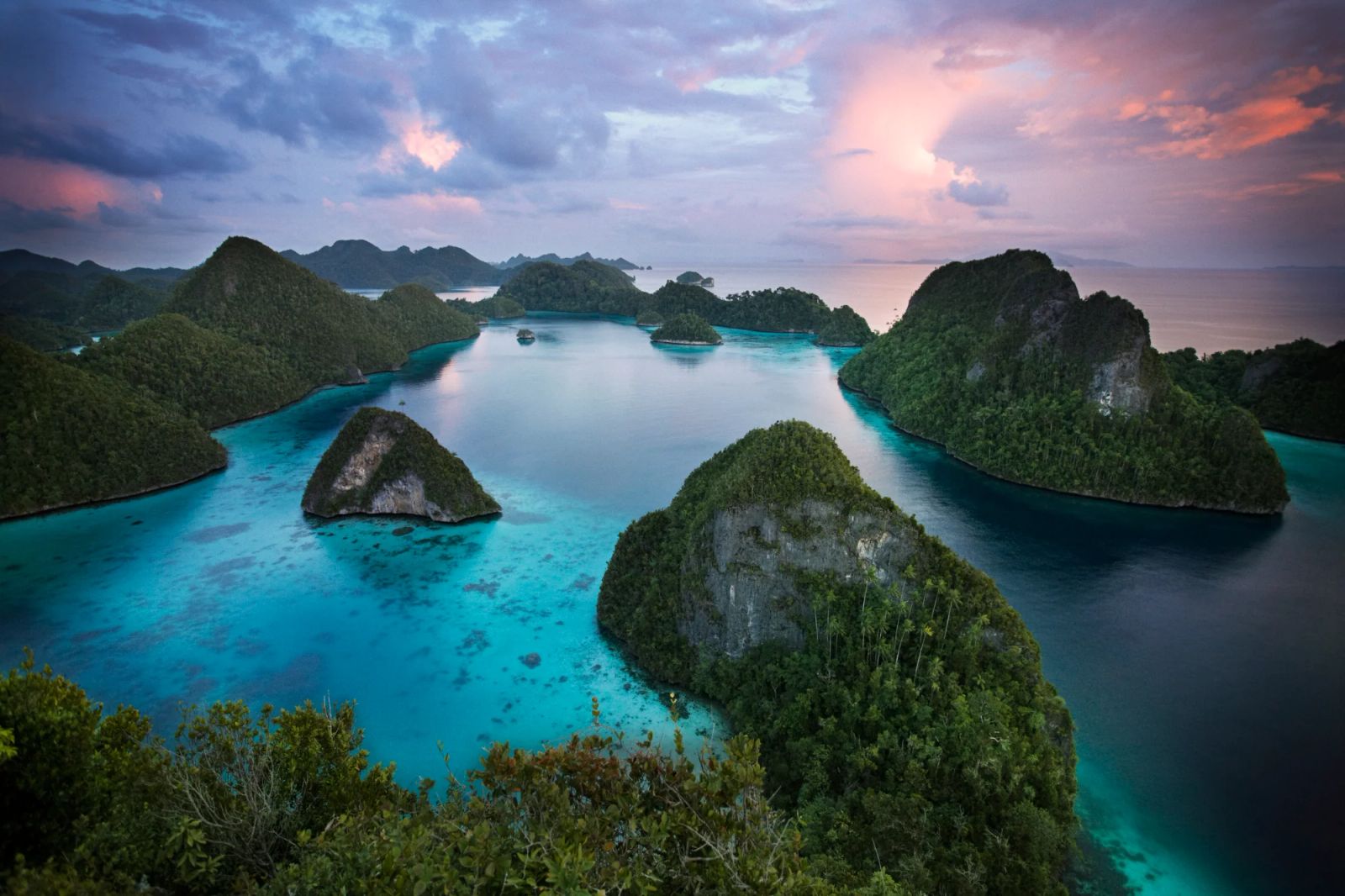
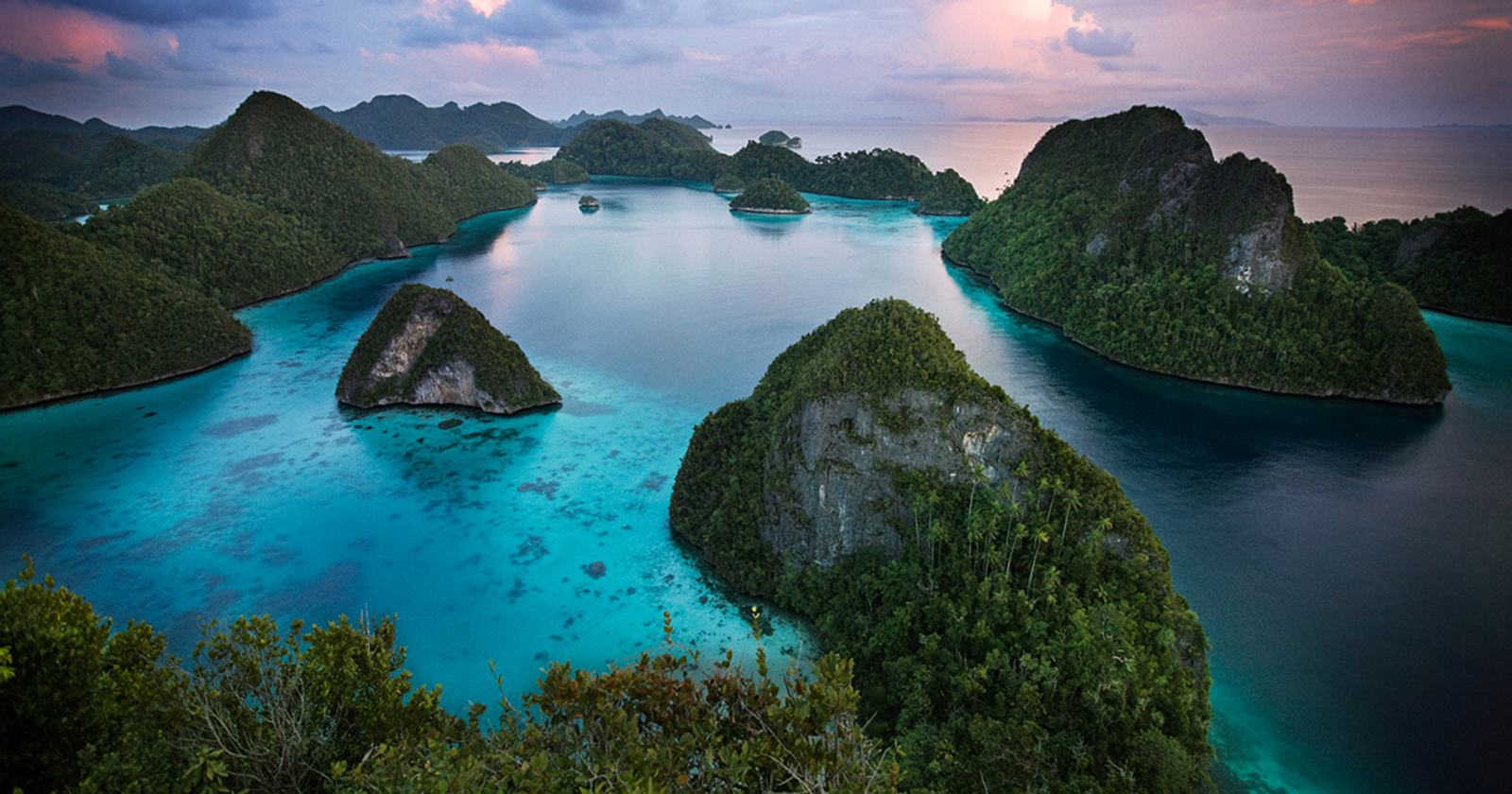
Today, the Maluku archipelago wears its history lightly. Dutch forts crumble beautifully into hillsides. Traditional villages follow rhythms unchanged since the sultanates. Beneath the surface, reefs grow undisturbed in some of the clearest water in Indonesia, with visibility that regularly exceeds 60 meters.

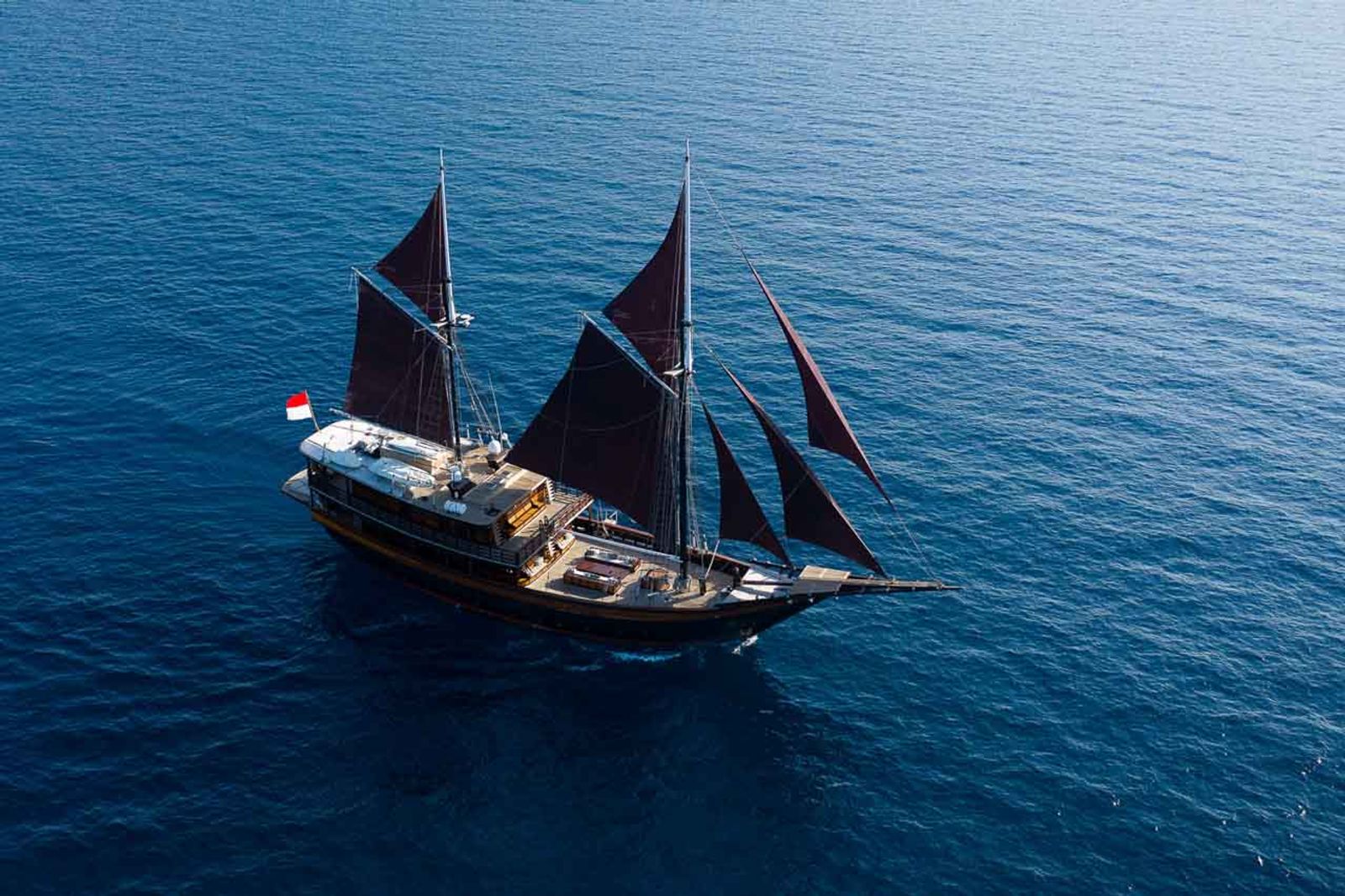
This is a destination for travelers who want depth in every sense: colonial ruins and quiet anchorages, Ambon Bay's renowned macro diving paired with clear-water reefs across the Banda Sea, and the rare experience of arriving somewhere that feels genuinely undiscovered. The Spice Islands remain one of the few places in Indonesia where you can sail for days without seeing another yacht.

Fort Belgica, once the nerve center of the global nutmeg trade, now watches quietly over Banda Neira.

Fort Belgica, once the nerve center of the global nutmeg trade, now watches quietly over Banda Neira.

"

"With opalescent waters known for bright coral reefs and beaches bookended by looming conical volcanoes, the Spice Islands are as fertile and inviting as their storied past."

Indo Yachts, from the Extended Spice Route Itinerary

Why the Spice Islands Are Different

History you can touch. The Spice Islands aren't a history lesson; they're a living landscape of one. Walk through Fort Belgica in Banda Neira, once the nerve center of the Dutch East India Company's global empire. Explore nutmeg plantations where the same trees planted five centuries ago still bear fruit. Visit sultans' palaces in Ternate and Tidore, where Portuguese, Dutch, and Spanish navigators all competed for influence.

Diving without crowds. Ambon Bay is recognized among underwater photographers as one of the finest muck diving environments on Earth. The psychedelic frogfish, found nowhere else, is the headline act, but the supporting cast includes Ambon scorpionfish, rhinopias, and dense macro life. Offshore, Nusa Laut offers reefs with visibility that rarely drops below 40 meters.

Cultural immersion. The intricate patchwork of cultures here (Maluku has absorbed Dutch, Portuguese, and Chinese influence while maintaining its own identity) makes every village stop genuinely distinctive. Music is central to Maluku life; traditional dances performed to the savangil bamboo flute are not tourist performances but everyday celebrations.


Psychedelic frogfish on a muck diving site in Ambon Bay, Maluku
Above the Surface

Beyond the Underwater World

The Spice Islands reward travelers who venture ashore. Banda Neira's colonial streetscape (intact Dutch merchant houses, a working nutmeg plantation, and Fort Nassau overlooking the harbor) is one of the most atmospheric town centers in Indonesia. Gunung Api, an active volcano rising from the sea, can be hiked for views across the entire Banda Sea.

In Ambon, hot springs, limestone cave formations, and exceptional bird life complement the diving. The island teems with endemic butterflies and parrots, and the air carries the scent of cloves from gardens that have been cultivated for half a millennium.

Fort Belgica

Banda Neira's 17th-century Dutch stronghold

Gunung Api

Active volcano hike with panoramic Banda Sea views

Nutmeg Plantations

Living history of the world's first global commodity

Active Gunung Api volcano rising from the Banda Sea beside Banda Neira
Our Experience
Our Experience

We Know These Waters

The Spice Islands sit far off the standard charter route, which is precisely why they matter to us. We have run expeditions across the Banda Sea dozens of times, building route knowledge that no charter broker based in Bali or Singapore can replicate.

We know where the gin-clear anchorages lie north of Seram, which village headmen to call ahead of arrival, and how to time the crossing from Ambon to Banda to avoid the afternoon chop. That operational knowledge is what makes the difference between a passage and an experience.

Since 2015

Operating in the Spice Islands

12+

Spice Route Expeditions

100%

Bespoke Itineraries

Sub-Regions

The Two Faces of Maluku

Spice Islands charters typically combine these distinct cruising grounds, each with its own character and highlights.

Central Maluku

Central Maluku

The Banda Islands & Ambon

The heart of the historic spice trade and the centerpiece of any Spice Islands charter. Banda Neira's colonial architecture, the active Gunung Api volcano, and the clear Banda Sea reefs combine into an experience found nowhere else in Indonesia. Ambon Bay anchors the route with its renowned muck diving.

Fort Belgica Gunung Api Nusa Laut
North Maluku

North Maluku

Halmahera, Ternate & Tidore

The northern arc of the spice route, where the rival sultans of Ternate and Tidore held court and the Portuguese first landed in the 16th century. Halmahera's waters benefit from the Indonesian Throughflow, driving exceptional marine productivity and largely undiscovered dive sites. The island of Morotai carries WWII history alongside healthy coral gardens.

Ternate Palace Halmahera Reefs Morotai WWII Sites
Southeast Maluku

Southeast Maluku

The Kai Islands

The remote southeastern frontier of Maluku, where ancient cave paintings depict pre-colonial Moluku life and the reefs see almost no charter traffic. White-sand beaches and untouched anchorages reward charters willing to make the longer Banda Sea passage.

Cave Paintings Remote Beaches Untouched Reefs
Where to Dive

Signature Dive Sites

From Ambon's macro-rich muck sites to the clear walls of the Banda Sea, the Spice Islands deliver exceptional diving for every style.

Central, Ambon Bay

Central, Ambon Bay

Laha & Pante Parigi

Ambon's flagship muck sites: home to the endemic psychedelic frogfish, found only in this bay.

Muck Macro Photography
Central, Nusa Laut

Central, Nusa Laut

Nusa Laut Walls

Some of the best underwater visibility in Indonesia, regularly exceeding 60m along dramatic vertical reef walls.

Wall Diving Clear Water
Banda Sea, Gunung Api

Banda Sea, Gunung Api

Gunung Api Lava Flow

Dive the hardened 1988 lava flow, now colonized by coral: an otherworldly seascape unique to Banda.

Volcanic Unique
Banda Sea, Banda

Banda Sea, Banda

Batu Kapal

A dramatic pinnacle rising from deep water, with schooling pelagics, sharks, and healthy soft coral coverage.

Pelagics Pinnacle

Coastal Habitats & Wildlife

What You'll Encounter

The waters of the Spice Islands are shaped by the Indonesian Throughflow and the Banda Sea's unique oceanography, producing marine encounters you won't find clustered anywhere else.

Histiophryne psychedelica

Psychedelic Frogfish

Histiophryne psychedelica

Endemic to Ambon Bay: a swirling, fingerprint-like pattern that makes it unmistakable underwater.

Rhincodon typus

Whale Sharks

Rhincodon typus

Banda Sea open-water passages regularly yield whale shark encounters, gentle giants drawn to the nutrient-rich currents.

Rhinopias spp.

Rhinopias Scorpionfish

Rhinopias spp.

Ambon's muck sites hold multiple rhinopias species, the most sought-after macro subject in Indonesia.

Multiple species

Dolphins & Cetaceans

Multiple species

Spinner, bottlenose, and spotted dolphins regularly bow-ride charter yachts through the Banda Sea passages.

The Numbers

  • 60m+ Visibility at Nusa Laut, among the best in Indonesia
  • 500+ Years of recorded European trade history in these waters
  • Ambon Bay Known habitat of the psychedelic frogfish
  • 1988 Last major Gunung Api eruption, creating the lava flow dive site

When to Go

When to Visit

The Spice Islands' season is shaped by the two monsoons crossing the Banda Sea. The northwest monsoon (October through April) delivers calm seas and exceptional visibility; the southeast monsoon brings rougher conditions to the open crossings, though Ambon Bay stays workable throughout.

Peak Season: October through April

The northwest monsoon brings calm seas and optimal conditions across the Banda Sea and Central Maluku. Visibility peaks, Gunung Api is hikeable, and the Banda Islands are at their most accessible. December through February typically offers the most stable weather for Banda Sea crossings.

Shoulder Season: September & May

Transitional months when winds change direction offer the best opportunity to catch yachts repositioning between the Spice Islands and neighboring destinations like Raja Ampat or Alor. Conditions are generally good but more variable, and these months can offer excellent value for experienced travelers.

Month Conditions Visibility Mantas
January Excellent 40-60m+ Medium
February Excellent 40-60m+ Medium
March Excellent 40-60m+ High
April Very Good 35-50m High
May Good 30-40m Medium
June Variable 20-30m Medium
July Challenging 15-25m Low
August Challenging 15-25m Low
September Improving 25-35m Improving
October Very Good 35-50m High
November Excellent 40-60m+ High
December Excellent 40-60m+ Peak
Peak
Shoulder
Off Season

A Note on the Off-Season (June through August)

The southeast monsoon brings stronger winds and rougher seas to the Banda Sea. However, Ambon Bay remains protected and can be dived year-round. If your primary interest is Ambon's muck diving rather than Banda Sea crossings, conditions remain workable throughout this period. Speak with our team before ruling out these months entirely.

Planning Your Journey

Getting to the Spice Islands

Departure City
Travel Time
Jakarta (CGK)
3.5 hrs Direct
Makassar (UPG)
1.5 hrs Direct
Bali (DPS)
3-4 hrs 1 stop
Surabaya (SUB)
3 hrs 1 stop
Singapore (SIN)
5-6 hrs 1 stop

Gateway: Ambon (AMQ)

All Spice Islands charters begin and end in Ambon, the provincial capital of Maluku. Ambon Pattimura International Airport (AMQ) has direct daily flights from Jakarta (Garuda Indonesia, Lion Air, Batik Air) and Makassar, with connections from Bali typically requiring one stop.

From Ambon Airport, a 25-minute drive brings you to the harbor where your yacht will be waiting. For one-way itineraries, charters can conclude in Ternate (for North Maluku routes) or connect onward to Sorong for Raja Ampat.

Charter Duration

The minimum recommended duration for a meaningful Spice Islands voyage is 7 nights, covering Ambon Bay and the Banda Islands. The signature 12-night Extended Spice Route, our flagship itinerary connecting Ambon through the Banda Sea to Alor, gives you the full historical and natural arc. Custom durations between 7 and 14 nights are available.

AMQ

Gateway Airport

25 min

Airport to Harbor

7-14 nights

Recommended Duration

From the Charter Team

Insider Knowledge

Operational knowledge built across more than a decade of Spice Islands expeditions: what guidebooks don't tell you.

Insider knowledge card image

Time the Banda Crossing

The passage from Ambon to Banda Neira is 200km of open Banda Sea. Departing at dusk and arriving at dawn avoids the afternoon wind build-up and brings you into the harbor in morning light. We know the departure timing to the hour.

Insider knowledge card image

Hike Gunung Api Early

The summit hike takes 2 hours each way. Start before sunrise, since clouds typically build by mid-morning. The 360-degree view of the entire Banda archipelago at dawn is the single most spectacular landscape experience in the Spice Islands.

Insider knowledge card image

Nusa Laut at Slack Tide

Nusa Laut's visibility is extraordinary but only accessible at slack tide; the currents run strong otherwise. We plan the day around the tidal window. A diver who arrives at the wrong time will miss what makes this site special.

Insider knowledge card image

Ternate Ikat Textiles

Ternate produces some of Indonesia's finest Ikat: intricate hand-dyed cloth reflecting fishing traditions unique to North Maluku. We can arrange a workshop visit with local weavers, not a tourist demonstration. Allow half a day, and bring cash.

Insider knowledge card image

Use Local Dive Guides in Ambon

The psychedelic frogfish has its own specific territories in Ambon Bay. Our partner guides in Ambon know exactly which sandy patches to search on a given day. Attempting this without them adds hours of fruitless searching to your dive time.

Insider knowledge card image

Fort Belgica at Golden Hour

The fort is open all day but transforms at sunset. The ochre walls turn copper, the harbor glows, and Gunung Api smokes behind you. Schedule your fort visit for the last hour of daylight; it is one of those views that make the journey worthwhile.

Questions

Spice Islands FAQ

What's the best time to visit the Spice Islands?

October through April offers the best conditions: calm Banda Sea, optimal visibility, and settled weather. The shoulder months (September and May) are also good, particularly for combining the Spice Islands with adjacent destinations during yacht repositioning.

How do I get to the Spice Islands?

Fly to Ambon (AMQ). Direct flights run daily from Jakarta and Makassar; Bali connections typically require one stop via Makassar. From the airport it's 25 minutes to the harbor. We handle all logistics from that point.

Do I need to be an experienced diver?

No. Ambon Bay's muck sites are suitable for Open Water divers, and snorkeling in the Banda Islands is exceptional. The Banda Sea offshore sites involve stronger conditions and suit more experienced divers; itineraries are structured to include both.

What makes Ambon diving special?

Ambon is one of the world's premier muck diving environments. The endemic psychedelic frogfish draws underwater photographers from around the globe, alongside rhinopias, mimic octopus, flamboyant cuttlefish, and a critter density rare for water this calm and shallow.

Interested in Chartering the Spice Islands?

Please get in touch to discuss planning your private charter.