East Nusa Tenggara, Indonesia

Alor Archipelago

Indonesia's last great diving frontier.

Scroll
100+
Tribal Communities
8
Languages Spoken
Apr–Nov
Season
50+
Mapped Dive Sites

Indonesia's Most Underestimated Dive Destination

Alor is not just another Indonesian archipelago. It is a place where exceptional diving, ancient tribal culture, and volcanic wilderness converge in a corner of the country that mass tourism has not yet reached. Divers who know the country well consider it one of the finest destinations in the entire archipelago.

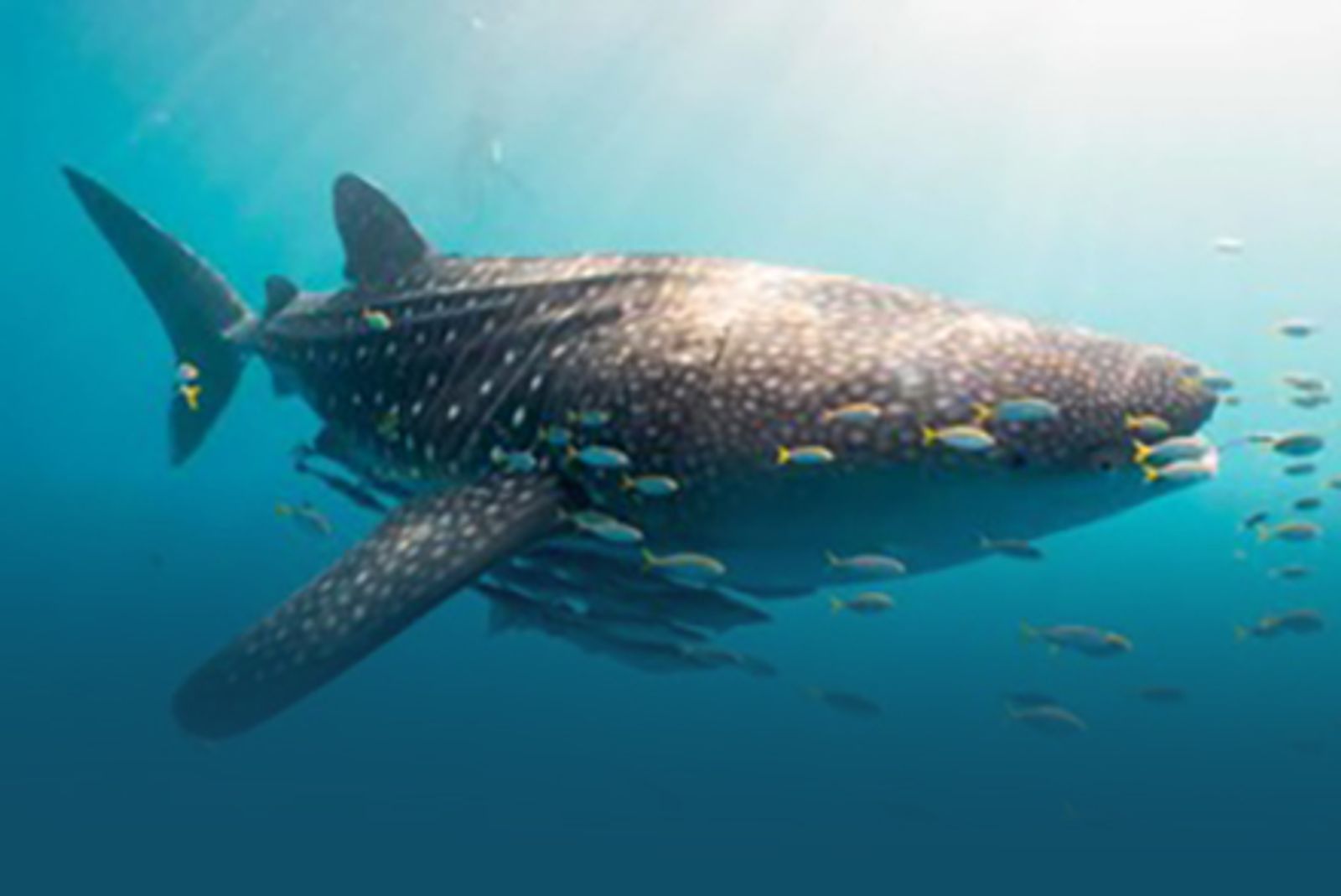
Located at the far eastern edge of the Lesser Sunda Islands, Alor sits squarely within the Coral Triangle. The deep ocean passages that surround it funnel nutrient-rich currents through narrow straits, producing the kind of marine life density that rivals destinations many times more famous. The Pantar Strait separating Alor's two main islands has been called one of Indonesia's best-kept secrets for good reason: here, mola mola, thresher sharks, and hammerheads gather at cleaning stations while the black sand slopes teem with macro life that would make Lembeh envious.

What sets Alor apart from every other destination is what the currents also protect: healthy reefs with minimal human impact, anchorages where you may be the only boat for miles, and 100+ tribal communities speaking eight distinct languages and over fifty dialects. You come here to dive. You stay because of everything else.

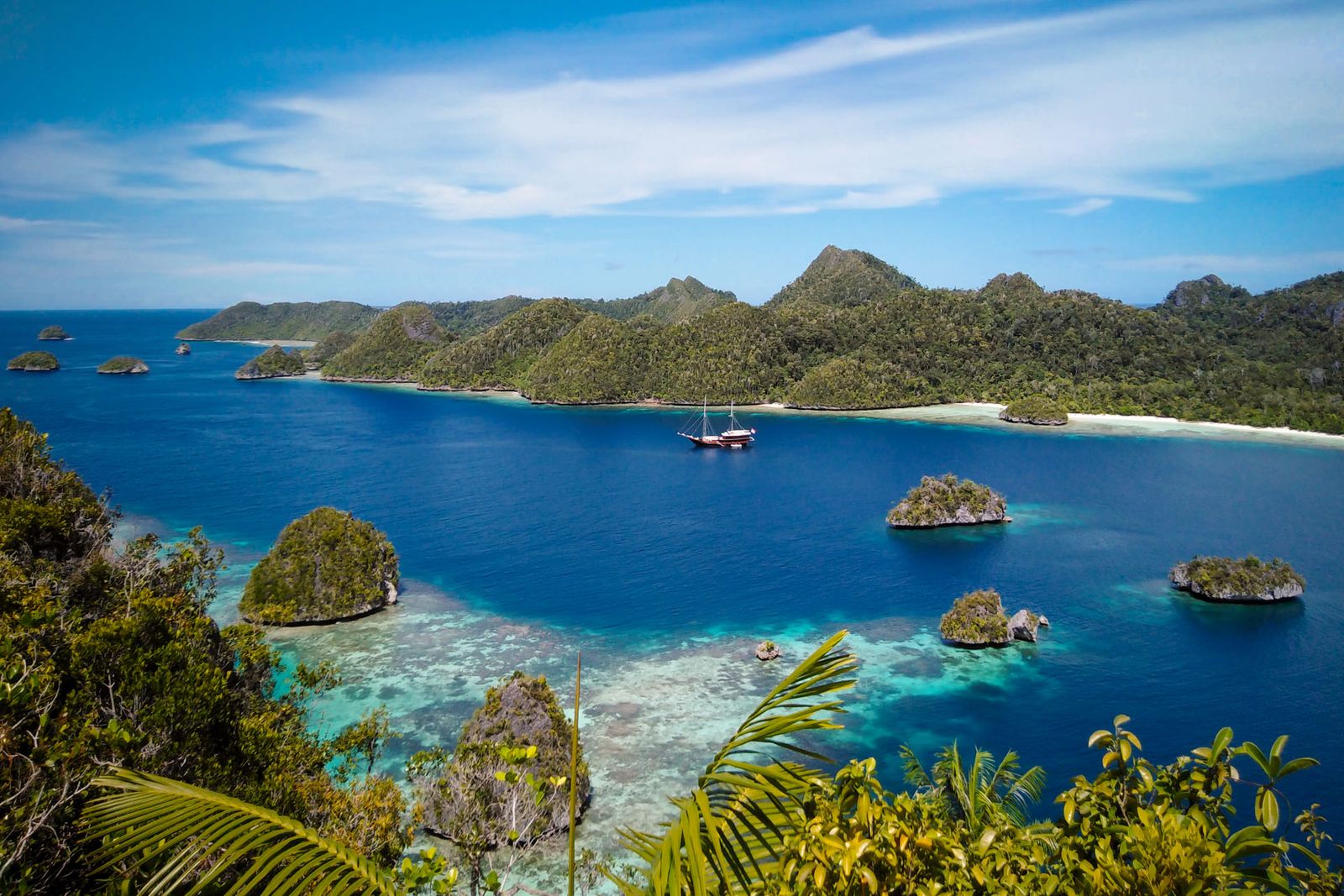
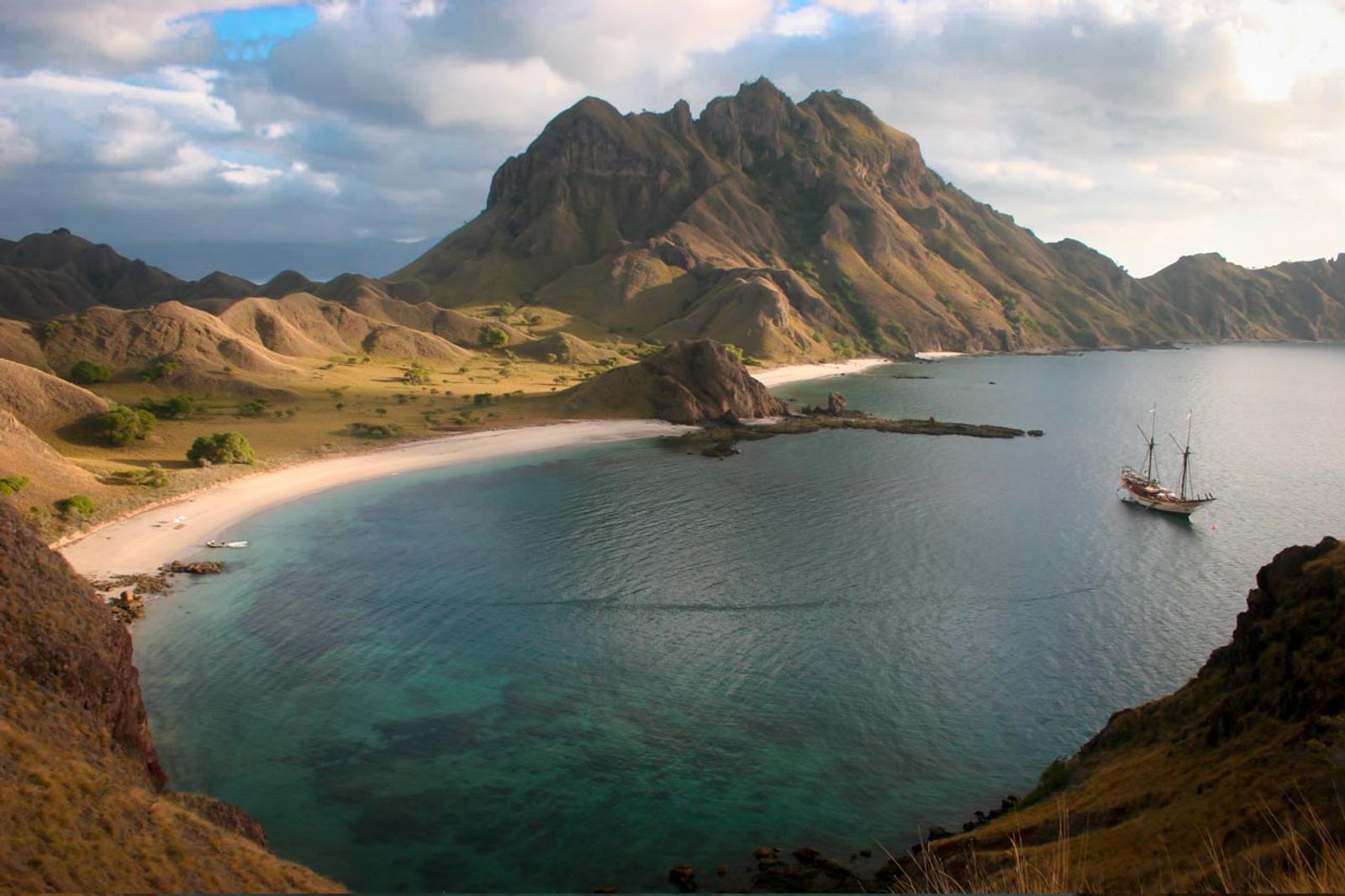
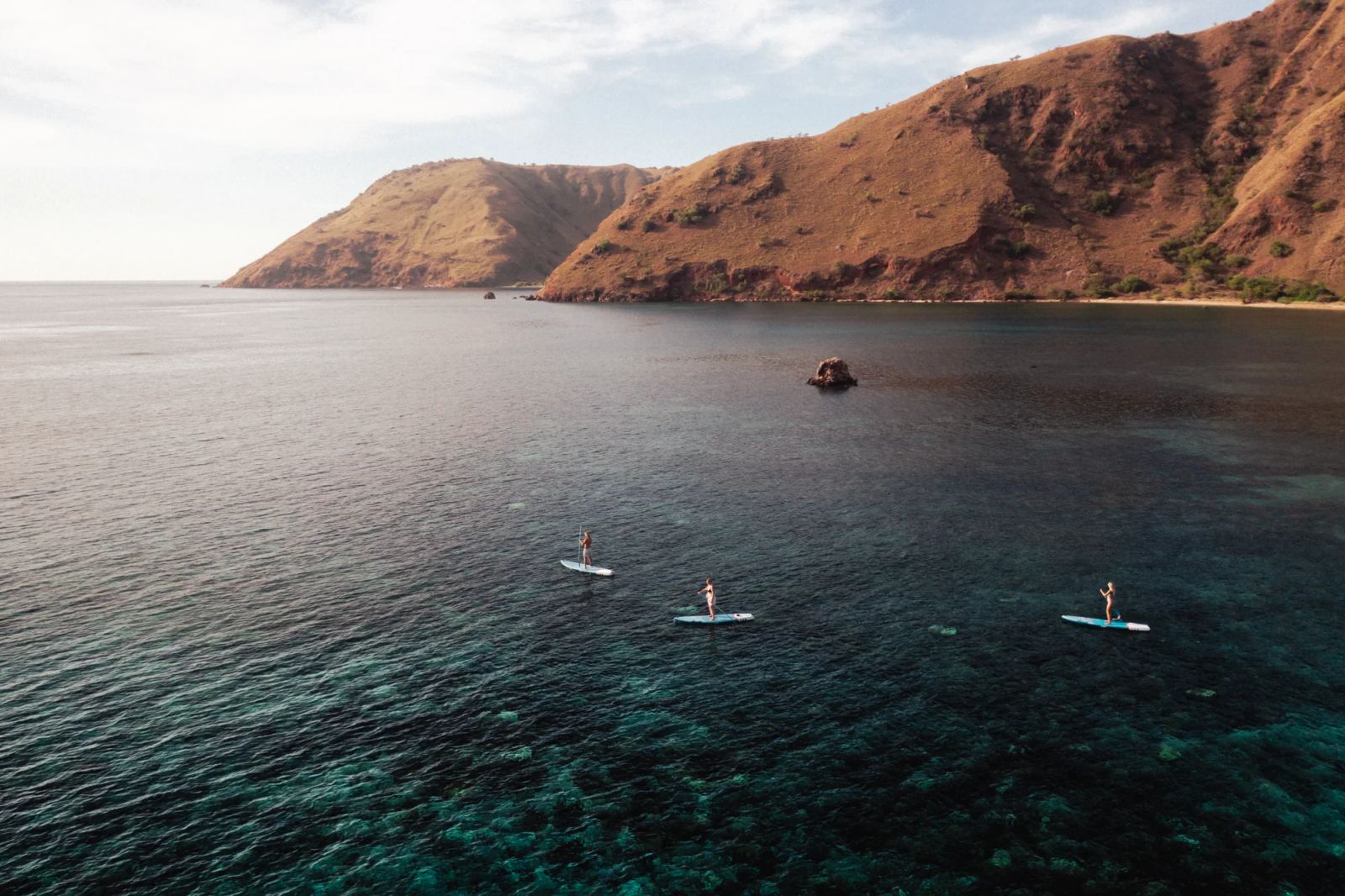
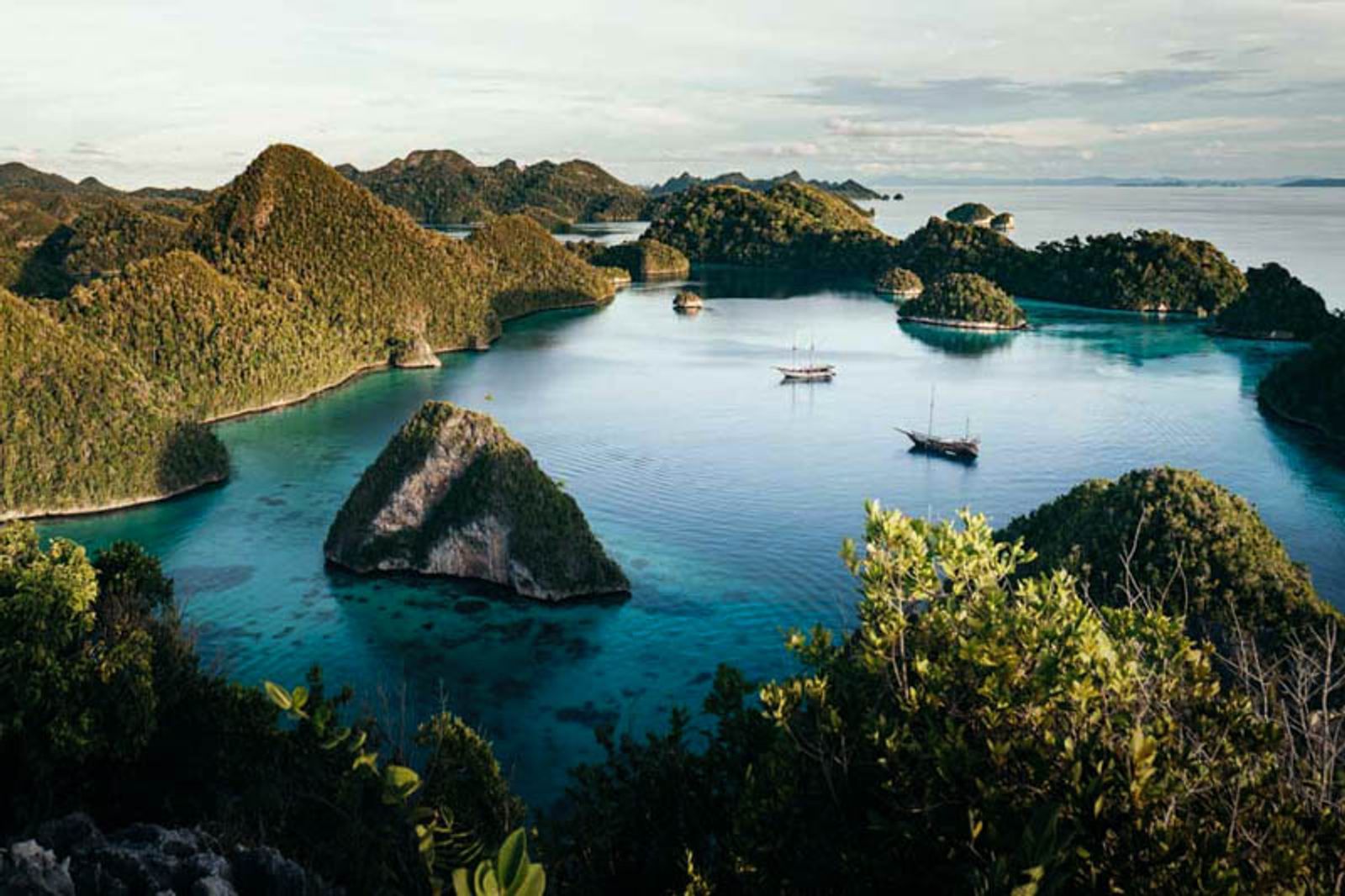
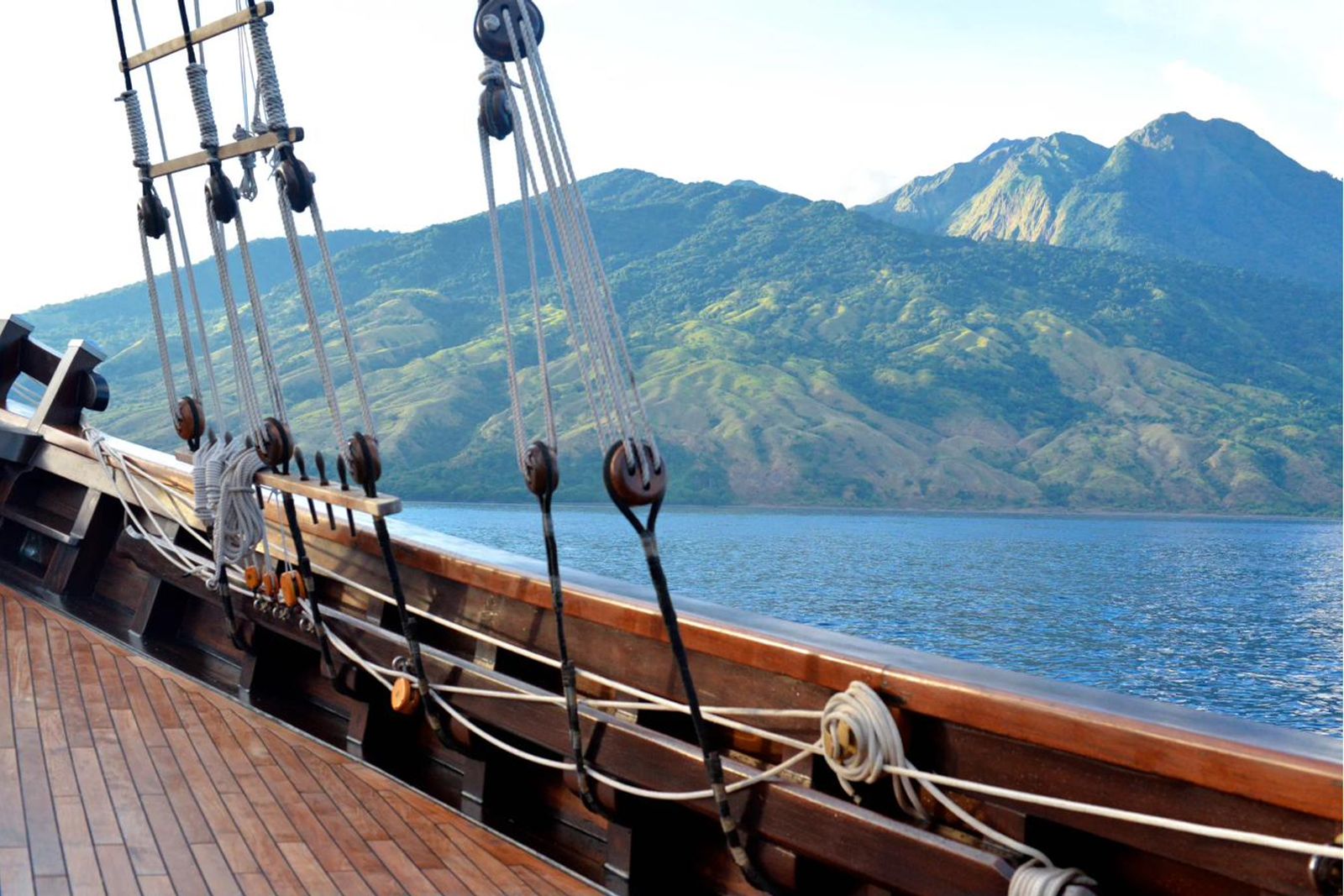
The Pantar Strait, the heart of Alor's diving, flanked by active volcanic peaks.

The Pantar Strait, the heart of Alor's diving, flanked by active volcanic peaks.

"

"The reefs are healthy and full of fish like Raja Ampat, the macro critters on black sand are like Lembeh Straits, the currents can be exhilarating like Komodo, and the culture is unique like Bali. The only thing missing is the crowds."

Experienced diver, after 10 days in Alor

Why Alor Is Different

Unlike Komodo or Raja Ampat, you will often be the only boat on a dive site. Dive sites and times are coordinated among the handful of operators in the region to ensure every group has the site to themselves. This is what diving used to feel like everywhere in Indonesia.

The deep passages around Alor funnel cold, nutrient-rich water to the surface, creating two entirely different thermal environments in one archipelago. The north is warm at 28°C; the south drops to 20°C and below, bringing pelagics that don't appear at tropical temperatures elsewhere.

Alor is home to more than 100 tribes, each with its own language, weaving tradition, and ceremonial life. Village visits here are genuine cultural exchanges, not staged performances. Local fishermen use only sustainable fishing methods, including handmade fish traps with wood and glass, which is why the reefs remain in such extraordinary condition.

Traditional Alorese village with ikat weaving in the foreground and volcanic landscape behind
Above the Surface

Beyond the Underwater World

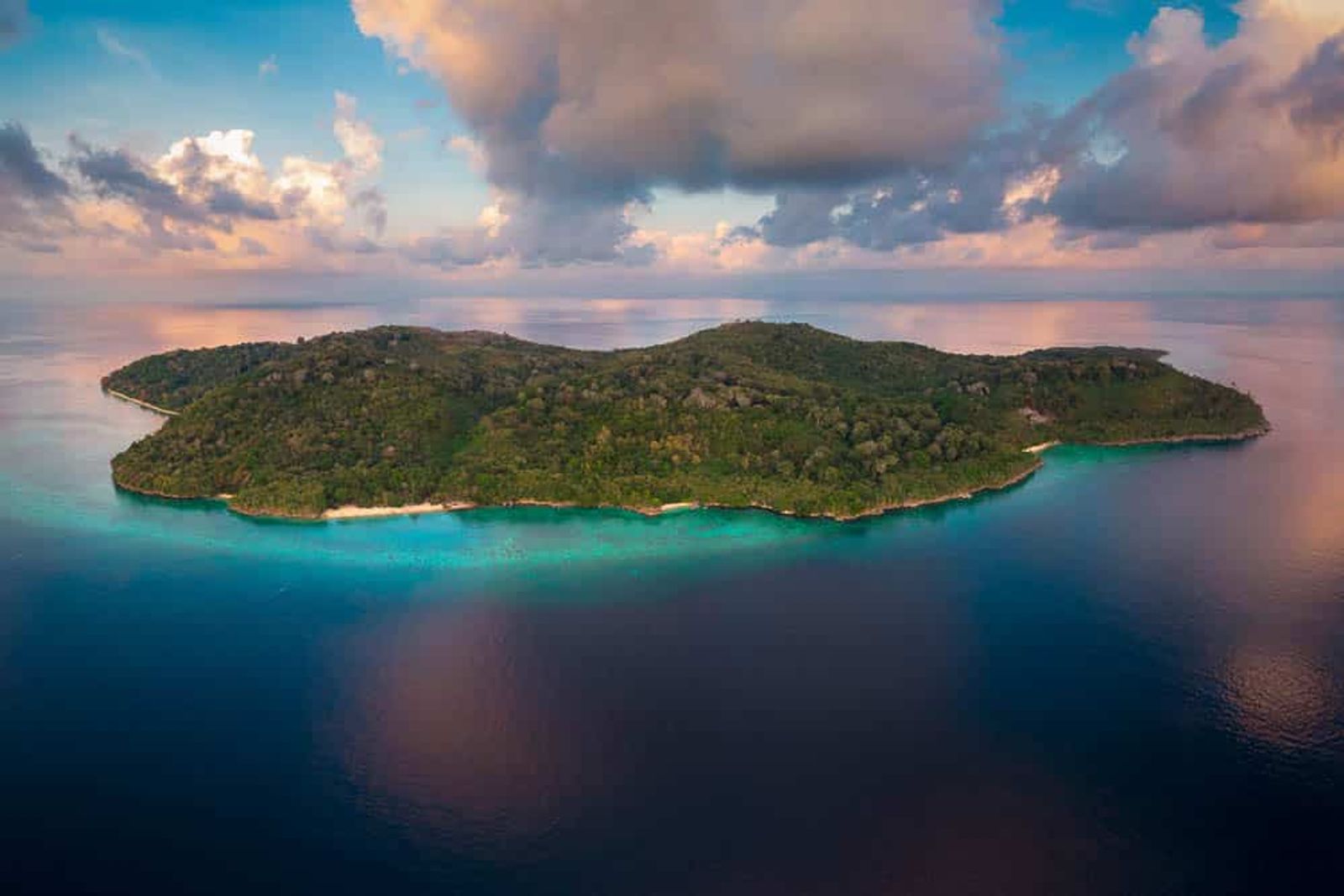
Alor's terrestrial landscape is as dramatic as its reefs. Volcanic peaks rise steeply from the sea, their flanks covered in dense jungle that gives way to hilltop villages with views across dozens of islands. The archipelago's Ring of Fire geology means you can sometimes see thermal vents on the beach, a surreal reminder of the geological forces shaping this place.

The Abui tribe in Takpala village maintains one of the most intact traditional cultures in all of Indonesia. Visits here, arranged through local guides with long-standing community relationships, offer a window into a way of life that has remained largely unchanged for centuries. The Lego-Lego communal dance, performed in traditional dress, is among the most authentic cultural experiences available anywhere in the archipelago.

Takpala Village

Abui tribe, Lego-Lego dance, traditional ikat weaving

Volcanic Peaks

Hikes to crater rims with panoramic island views

Kalabahi Bay

Calm waters, kayaking, paddleboarding, and local markets

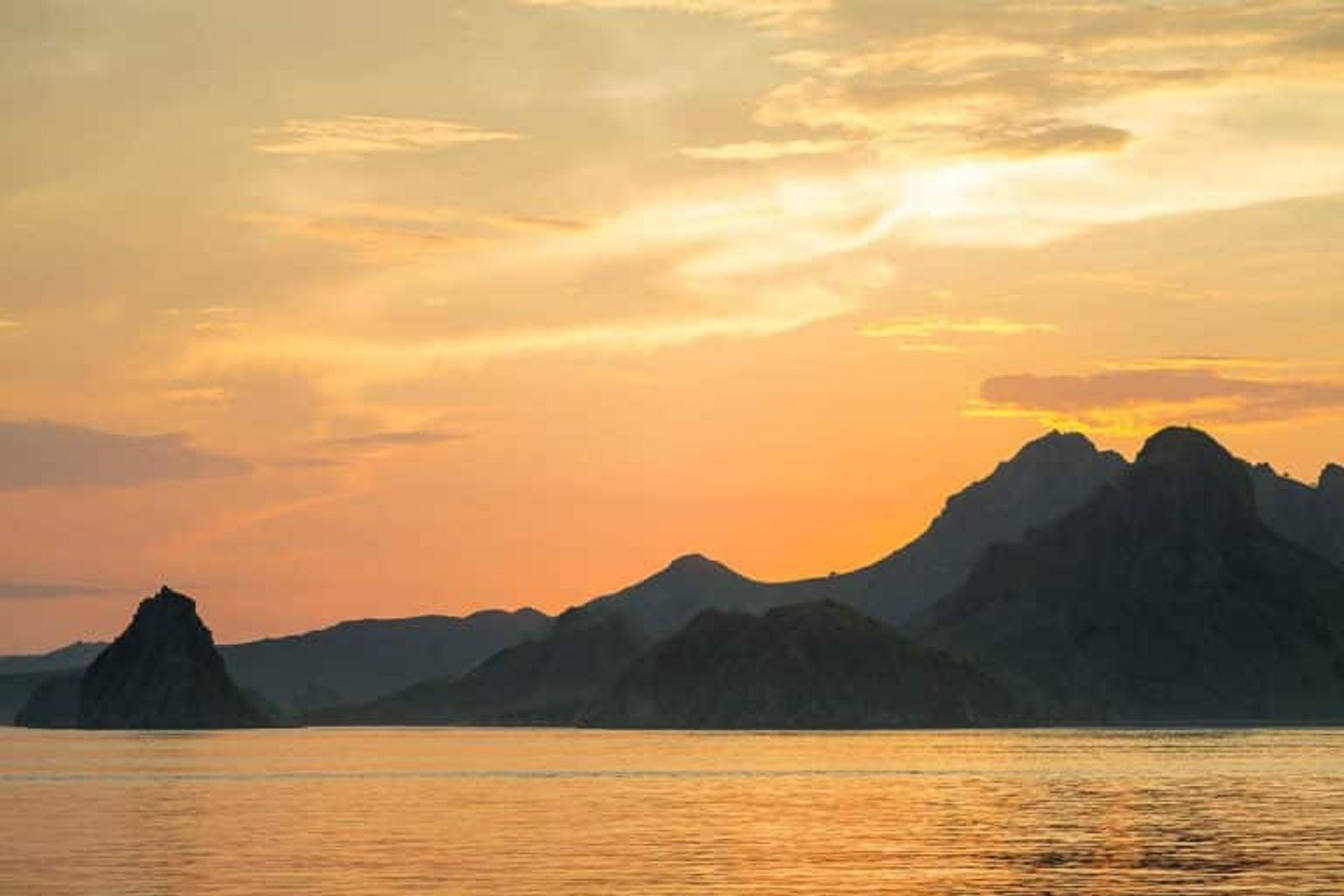
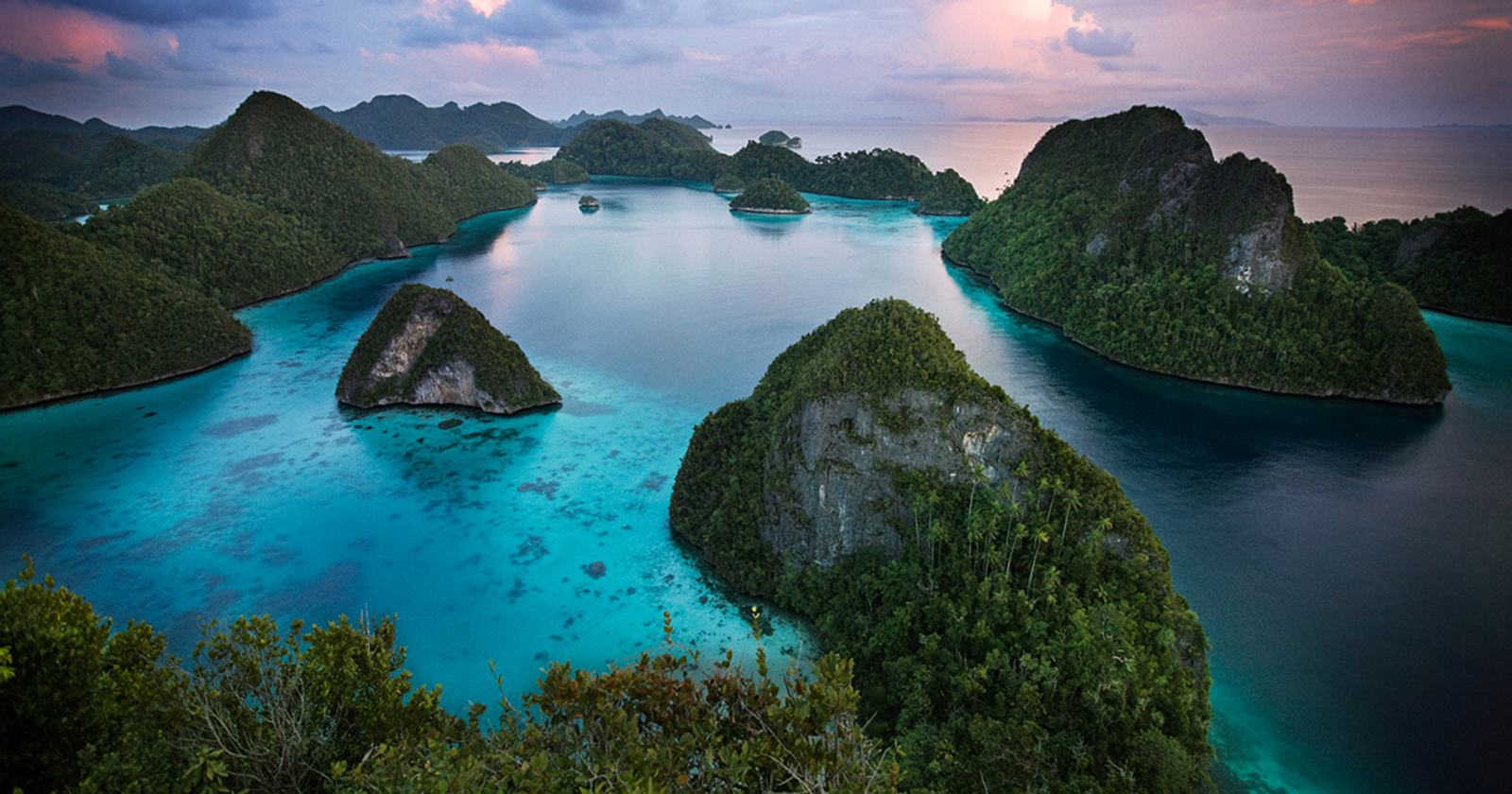
Dramatic volcanic coastline of Alor at sunset with turquoise waters below
Our Experience
Our Experience

We Know These Waters

Alor rewards knowledge. The tides that make certain dive sites extraordinary can make others dangerous. We know which channels to read, when the hammerheads gather in the south, where Mawar the dugong tends to surface, and which village elders welcome guests warmly.

We've built relationships in this archipelago over years. That matters when you're this far from the beaten track.

Since 2015

Operating in Alor

50+

Dive Sites Mapped

2

Key Island Groups

Two Islands, Two Worlds

Exploring Alor's Regions

Alor and Pantar are the two main islands of the archipelago, separated by the Pantar Strait. Each offers a distinct character above and below the water. A well-planned itinerary moves between them, balancing pelagic encounters with macro discovery and cultural immersion.

Central Alor

Central Alor

The Pantar Strait

The beating heart of Alor diving. This narrow passage between the two main islands concentrates currents and marine life in extraordinary fashion. Expect barracuda tornadoes, grey reef sharks, mola mola, and cleaning stations where thresher sharks circle. The famous Clown Valley anemone field, said to have one of the highest concentrations of anemones anywhere, sits here.

Mola Mola Thresher Sharks Clown Valley
Western Alor

Western Alor

Kalabahi Bay

The sheltered gateway to Alor and one of Indonesia's premier muck diving destinations. The volcanic black sand slopes of Kalabahi Bay harbor rhinopias, mimic octopus, flamboyant cuttlefish, ghost pipefish, and more bizarre macro life than almost anywhere in the country. Night dives here are legendary. The bay also serves as the main anchorage for provisioning and cultural excursions into the interior.

Rhinopias Mimic Octopus Night Dives
Southern Alor

Southern Alor

Bunga Besar & South Walls

Alor's most dramatic terrain and most demanding diving. Cold upwellings from the deep ocean (water temperatures dropping to 20°C) attract thresher sharks, hammerheads, and occasional mola mola. The vertical walls here are draped in dense coral growth. October and November are peak hammerhead season. Advanced divers only: currents are powerful and water temperatures require 5mm wetsuits.

Hammerheads Cold Upwellings Vertical Walls
Where We Dive

Signature Dive Sites

Alor's dive sites range from adrenaline-charged drift dives on current-swept pinnacles to tranquil muck slopes where patience reveals extraordinary rarity. Many shallow bays are also superb for snorkeling. Your crew selects sites daily based on tides and conditions.

Pantar Strait

Pantar Strait

Clown Valley

Said to have one of the highest concentrations of anemones in the world, with volcanic rocks carpeted completely in anemones, sheltering countless clownfish.

Anemones Snorkel OK
Pantar Island

Pantar Island

Biatabang (Babylon)

One of Alor's most celebrated reef dives. Rich biodiversity, schooling fish, macro hunting in the sandy areas, and reliable shark encounters on the current-side.

Reef Sharks
Pantar Island

Pantar Island

The Great Wall of Pantar

Also called Bama Wall, a sheer vertical drop teeming with nudibranchs, schooling fish, and larger pelagics that appear from the blue. Perfect for macro and wide-angle in the same dive.

Wall Pelagics
Kalabahi Bay

Kalabahi Bay

Kalabahi Bay Muck

Volcanic black sand diving at its finest. Hunt for rhinopias, mimic octopus, flamboyant cuttlefish, ghost pipefish, and mantis shrimp. Renowned for rare encounters.

Muck Macro

Biodiversity

What You'll See

Alor's marine life spans the full spectrum: from microscopic critters on black sand to oceanic giants passing through the straits. No single dive destination in Indonesia offers this range in one itinerary.

Dugong dugon

Dugongs

Dugong dugon

Alor has one of Indonesia's most reliable dugong populations. The famous resident "Mawar" is regularly sighted. Among the world's most endangered marine mammals, these gentle giants are rarely seen elsewhere.

Rhinopias spp.

Rhinopias

Rhinopias spp.

The holy grail of macro diving. Alor's volcanic muck slopes are among the best locations in Indonesia to encounter this extraordinary scorpionfish in multiple color morphs.

Alopias pelagicus

Thresher Sharks

Alopias pelagicus

Alor's southern walls are one of the few places in Indonesia with reliable thresher shark encounters at cleaning stations. Cold upwellings bring them in from the deep.

Thaumoctopus mimicus

Mimic Octopus

Thaumoctopus mimicus

Kalabahi Bay's black sand slopes are one of Indonesia's best locations for this extraordinary species, which imitates lionfish, flatfish, and other dangerous animals to avoid predation.

Mola mola

Mola Mola

Mola mola

The ocean sunfish regularly visits cleaning stations in the Pantar Strait and southern Alor, particularly between July and October when cold water rises. Can reach over 2 meters in length.

Multiple Entacmaea & Heteractis spp.

Anemone Fields

Multiple Entacmaea & Heteractis spp.

Clown Valley in the Pantar Strait is considered one of the densest anemone concentrations in the world, with volcanic rock entirely carpeted with anemones and the clownfish that shelter within them.

Sphyrna lewini

Hammerhead Sharks

Sphyrna lewini

October and November are peak hammerhead season in southern Alor. Schools gather around deep seamounts, sometimes in significant numbers. A bucket-list encounter for experienced divers.

Physeter & Stenella spp.

Whales & Dolphins

Physeter & Stenella spp.

The Alor Strait is a seasonal hotspot for sperm whales and blue whales, with large pods of spinner dolphins almost always present. Surface encounters during transits are common.

The Numbers

  • 100+ tribal communities, each with distinct language and traditions
  • 8 distinct languages spoken across the archipelago
  • 50+ dialects making Alor one of the most linguistically diverse places on Earth
  • 20°C minimum water temperature in southern Alor (bringing in cold-water pelagics)
  • 0 other dive groups at most sites (Alor's greatest luxury)

Planning

When to Visit Alor

Alor's diving season runs April through November. Peak conditions arrive June through November, when the cold upwellings that bring pelagics into the south are most active.

Peak Season: June through November

The dry season brings calm seas, reliable visibility of 20 to 35 meters, and the best conditions for both muck diving and pelagic encounters. Alor is accessible throughout this window, though each month has its own character.

June through August delivers consistent conditions and the start of pelagic season as cold upwellings strengthen.

September and October bring peak pelagic action. Mola mola appear in the Pantar Strait, thresher sharks gather in the south, and the cold upwellings that make southern Alor so special are at their most reliable.

October and November are hammerhead season. This is when experienced divers specifically target Alor for schools of scalloped hammerheads around the southern seamounts.

Shoulder Season: March, April, May & December

April and May are the build-up months as visibility climbs and the southeast trades begin to stabilize. Many Indo Yachts itineraries transit through Alor in April as yachts relocate from Komodo eastward. March and December are the bookends, when conditions are workable but variable. Both windows can deliver exceptional diving with fewer liveaboards competing for sites.

Month Conditions Visibility Mantas
January Challenging 10-15m Low
February Challenging 10-15m Low
March Variable 15-20m Low
April Improving 20-25m Medium
May Very Good 25-30m Medium
June Very Good 25-30m High
July Excellent 25-35m High
August Excellent 25-35m High
September Excellent 30-40m High
October Excellent 30-40m High
November Very Good 25-30m High
December Variable 15-20m Medium
Peak
Shoulder
Off Season

A Note on the Wet Season (December through March)

Strong westerly winds and reduced visibility make January and February challenging in Alor. We typically recommend Komodo or Banda Sea itineraries during this period. Many of our partner yachts relocate seasonally to best match conditions.

Travel Logistics

Getting to Alor

Departure City
Travel Time
Bali (DPS)
2.5 hrs via Kupang
Jakarta
5 hrs 1 stop
Singapore
8 hrs 1-2 stops
Sydney
10 hrs 1-2 stops
Hong Kong
11 hrs 1-2 stops
Dubai
15 hrs 2 stops
London / Los Angeles
22+ hrs 2-3 stops

Reaching Alor

Most Alor charter itineraries embark from one of two gateways. Maumere (MOF) on Flores is the most convenient for Alor-focused voyages. Labuan Bajo (LBJ) is ideal if your itinerary begins with Komodo before cruising east through the Lesser Sundas toward Alor. Both airports connect directly to Bali.

For those flying direct to the archipelago, Alor Airport (ARD) in Kalabahi receives domestic flights from Kupang and Bali. Your crew will collect you directly from the airport and transfer you to the yacht. We handle all logistics so you arrive ready to dive.

Alor as Part of a Longer Voyage

Alor pairs beautifully with Komodo and Flores for longer itineraries of 14 nights or more. Many guests combine all three: beginning in Labuan Bajo, transiting the Sape Strait, exploring Flores, and continuing east through the Banda Sea toward Alor. This is among Indonesia's great sailing routes.

ARD

Alor Airport

MOF

Maumere Gateway

7-14

Nights Recommended

From the Charter Team

Insider Knowledge

More than a decade of Alor charters has taught us things that don't appear in any dive guide.

Insider knowledge card image

Reading the Cold Water

Southern Alor's hammerhead and thresher encounters depend on cold upwelling. Surface temperature tells you little. The dive teams we work with track thermocline depth and plan dives to hit the layer where pelagics gather. This knowledge is earned, not guessed.

Insider knowledge card image

Finding Mawar the Dugong

Alor's famous resident dugong surfaces unpredictably, but there are seagrass beds it regularly frequents. We know where to look and how to position the yacht for an encounter without disturbing this protected animal.

Insider knowledge card image

Kalabahi Night Dives

The best macro action in Kalabahi Bay happens after dark. Rhinopias emerge from hiding, mimic octopus hunt more actively, and species rarely seen in daylight become findable. We know exactly which slopes to target by hour.

Insider knowledge card image

Village Visits Done Right

Alor's tribal communities welcome guests who come with respect and through the right introductions. We have long-standing relationships with village elders across the archipelago. These visits are genuine exchanges, not tourist performances.

Insider knowledge card image

Timing Pantar Strait Currents

The Pantar Strait can be benign or demanding depending on tidal state. We plan dive times around current tables to maximize encounters at sites like Current Alley while ensuring controlled conditions at all skill levels.

Insider knowledge card image

Pack a 5mm Wetsuit

Southern Alor's cold upwellings can drop water to 20°C, which is uncomfortable in a 3mm suit for multiple dives per day. We advise all guests to bring a 5mm wetsuit with a hooded vest. The pelagics are worth the chill.

Further Reading

From the Journal

Dispatches from Indonesia's most extraordinary waters. Yacht features, expedition reports, and the stories behind our most memorable charters.
Questions

Alor Archipelago FAQ

What's the best time to visit Alor?

April through May and September through October are the sweet spots: calm seas, excellent visibility, and peak pelagic activity. October and November are specifically best for hammerhead sharks in the south. Avoid December through February.

Is Alor suitable for beginner divers?

Yes and no. Kalabahi Bay and many reef sites are perfectly suitable for Open Water divers, and the muck diving is relaxed and shallow. The advanced sites in the south and in current-swept channels require experience. Itineraries always include sites at every level.

Can I see the resident dugong?

Possibly. "Mawar" the resident dugong is regularly sighted but not guaranteed on any given day. Your crew will actively watch for surface signs during transits and position the yacht appropriately. Dugongs surface to breathe, so patience during anchorage often rewards.

How does Alor compare to Raja Ampat?

Different strengths. Raja Ampat has the richest coral biodiversity on record and fish species density. Alor has arguably better macro life, more reliable pelagic encounters (threshers, hammerheads, mola mola), zero crowds, and a cultural dimension that is genuinely extraordinary. Many experienced divers prefer Alor precisely because it's not Raja Ampat.

Interested in Chartering Alor Archipelago?

Please get in touch to discuss planning your private charter.