Banda Sea, Indonesia

The Forgotten Islands

A thousand kilometers of volcanic atolls, ancient sea lanes, and reefs the modern world has yet to find.

Scroll
1,000 km
Arc of Remote Islands
7,000 m
Banda Sea Depth
Expedition
Charter Category
Ambon (AMQ)
Primary Gateway

Where Indonesia Disappears Into the Open Sea

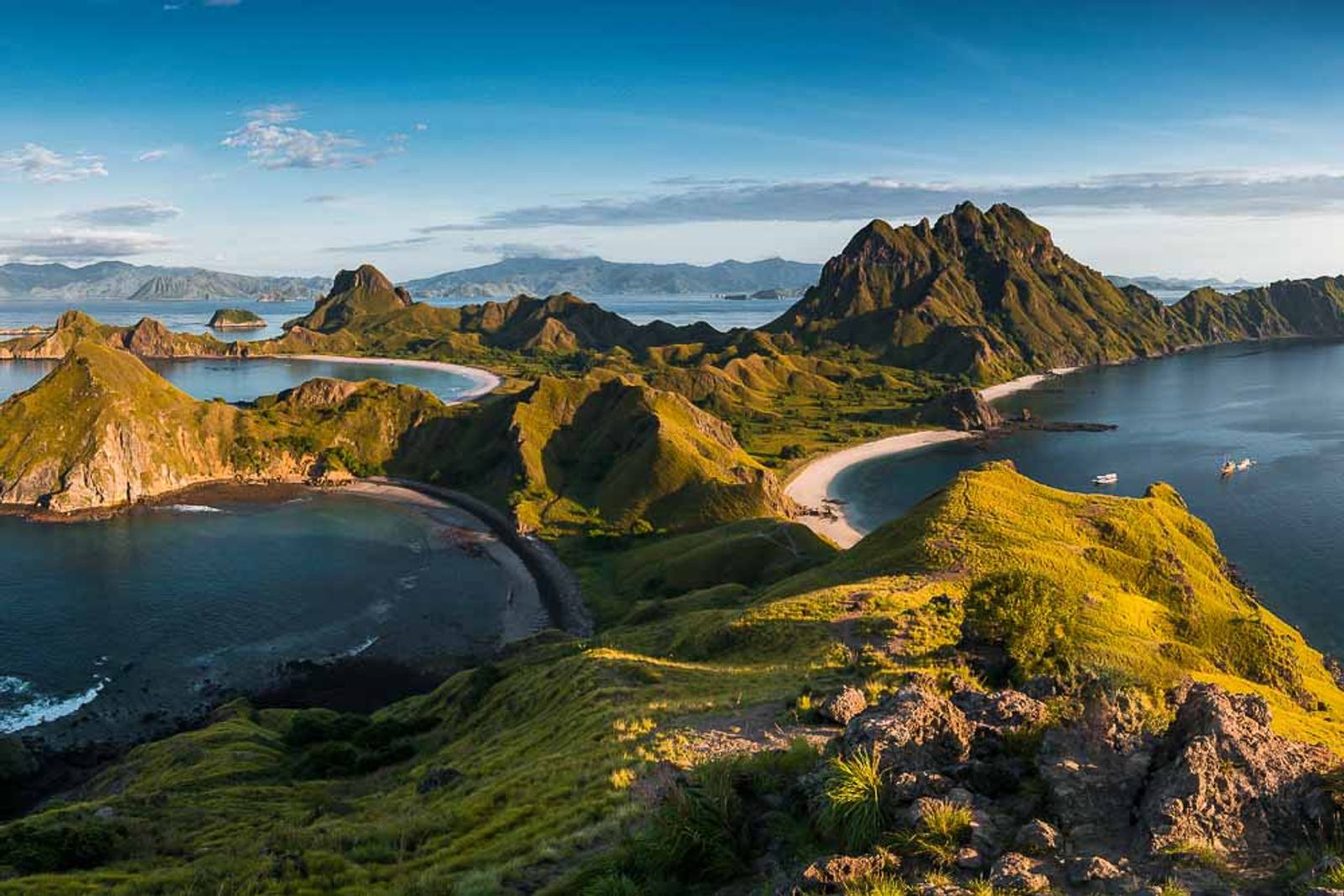
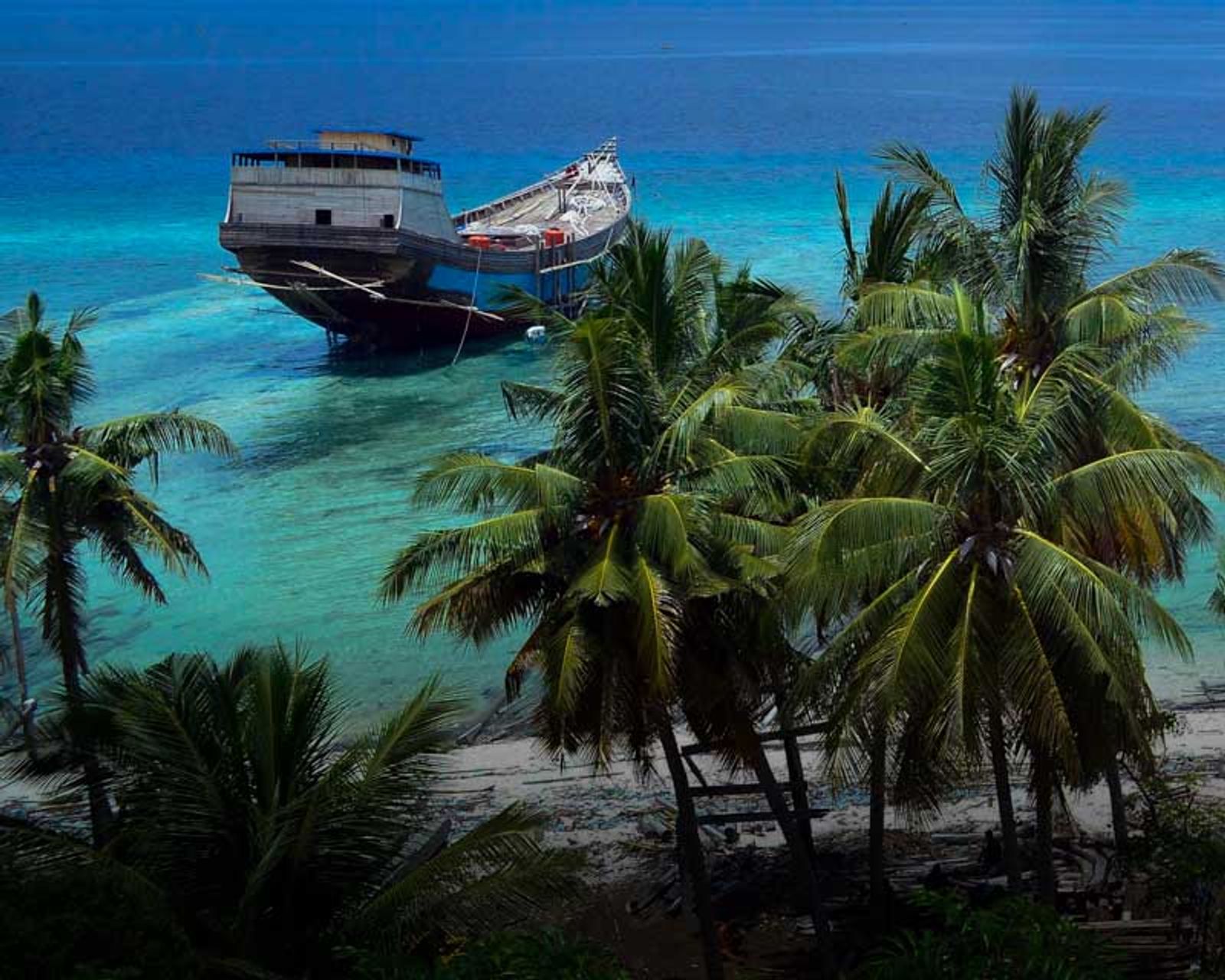
Stretching roughly 1,000 kilometers across the Banda Sea, the Forgotten Islands are not a single destination but an arc of volcanic atolls, isolated seamounts, and storm-carved limestone formations that rarely appear on any itinerary. The name is not marketing. These islands have genuinely been overlooked, underfished, and largely unknown to the wider world. The reward for the few who make the journey is marine life in a condition that no longer exists elsewhere in the Indo-Pacific.

The archipelago sits squarely inside the Coral Triangle and draws its character from the deep Banda Sea itself. Cold, nutrient-rich upwellings sweep up from depths exceeding 7,000 meters, feeding reef systems of extraordinary density and variety. Steep walls descend into darkness. Seamounts rise from the abyss to within a few meters of the surface. Active volcanoes still erupt, sculpting new underwater terrain in real time. Manuk Island, the most easterly volcano in Indonesia, rises from 7,000 meters of ocean to 200 meters above sea level, and its surrounding reefs are among the most dramatic dive sites anywhere in the country.

This is also the Spice Route. For three centuries, the Banda Islands at the western edge of this chain were the only source of nutmeg on Earth, driving the colonial ambitions of Portugal, Holland, and England. Dutch fortresses, nutmeg plantations, and centuries-old spice warehouses still stand on Banda Neira. The cultural weight of the place is as formidable as its marine environment, and a well-planned expedition will balance the two.

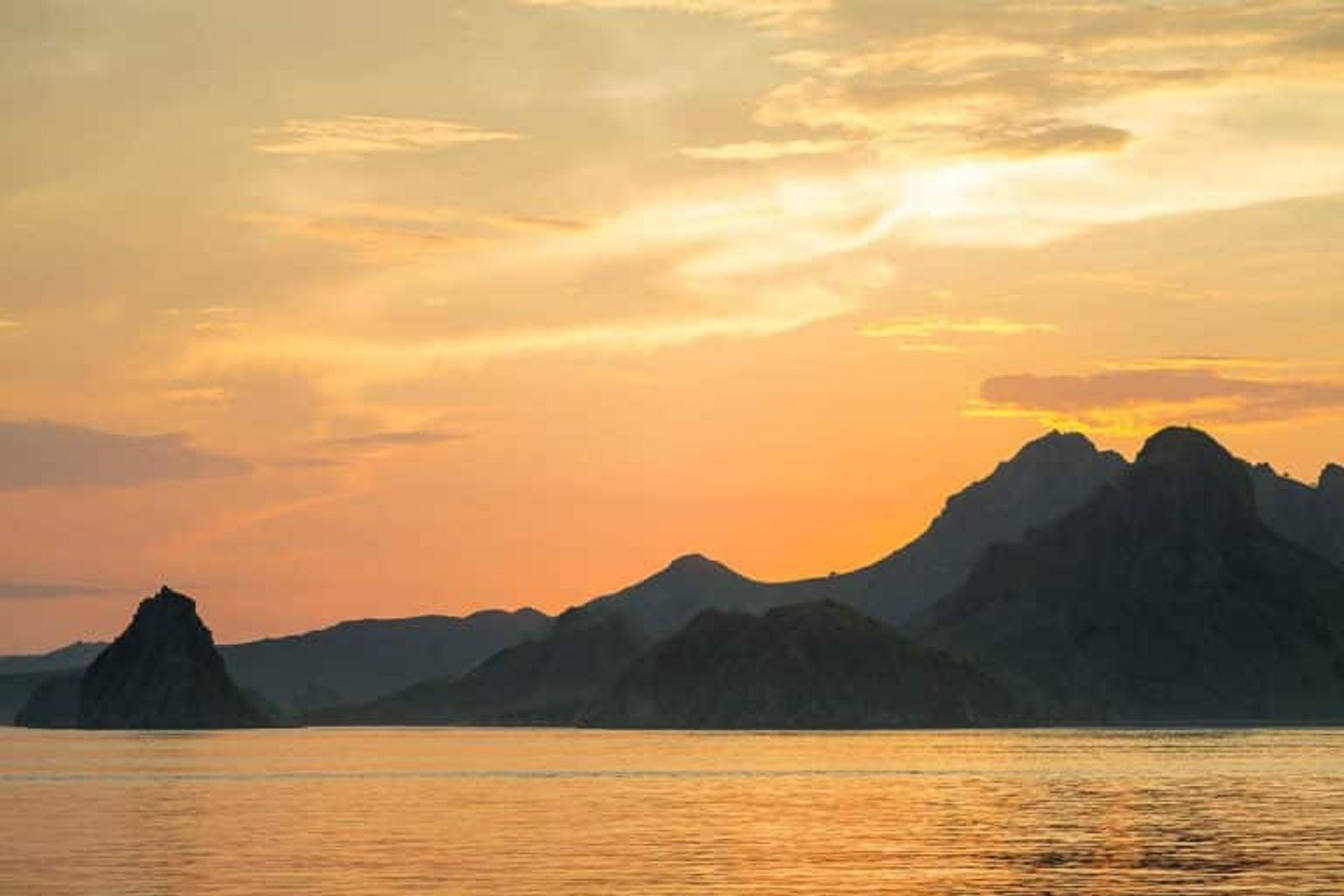
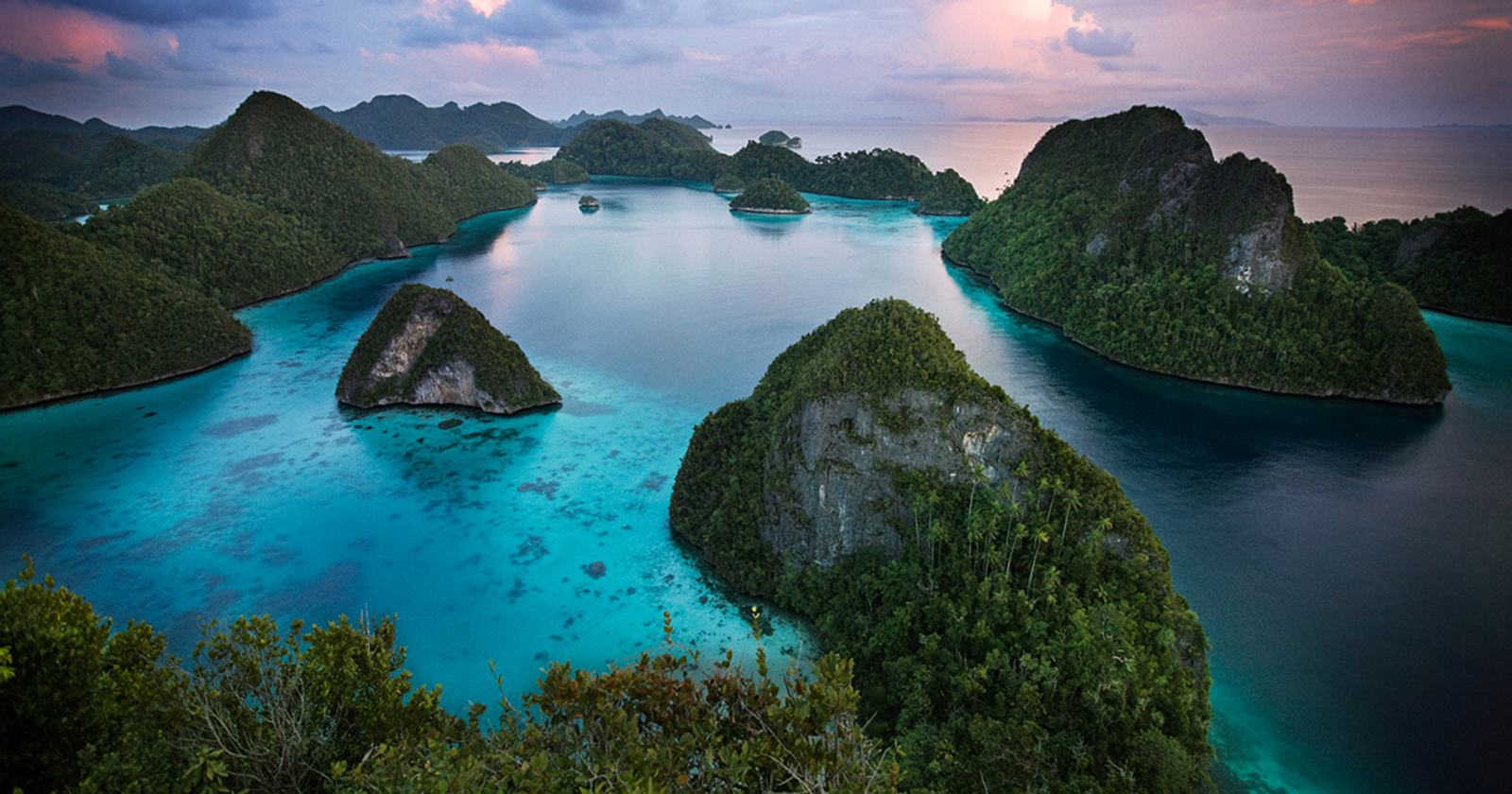
The active volcanic peaks of the Banda Sea rise dramatically from one of the world's deepest ocean basins.

The active volcanic peaks of the Banda Sea rise dramatically from one of the world's deepest ocean basins.

"

You spend three days crossing open sea and think you may have made a mistake. Then you drop in at Nil Desperandum and see forty hammerheads circling below you, and nothing about the journey seems long anymore.

Indo Yachts Charter Team

Why the Forgotten Islands Are Different

Every great dive destination has a signature. Raja Ampat has biomass. Komodo has current and pelagics. The Forgotten Islands have something harder to name: genuine remoteness combined with geologically violent beauty. These reefs have not been dived to death. The fish do not flinch. The coral formations are intact in a way that feels prehistoric. The diversity of site types across a single expedition is rare anywhere in Indonesia.

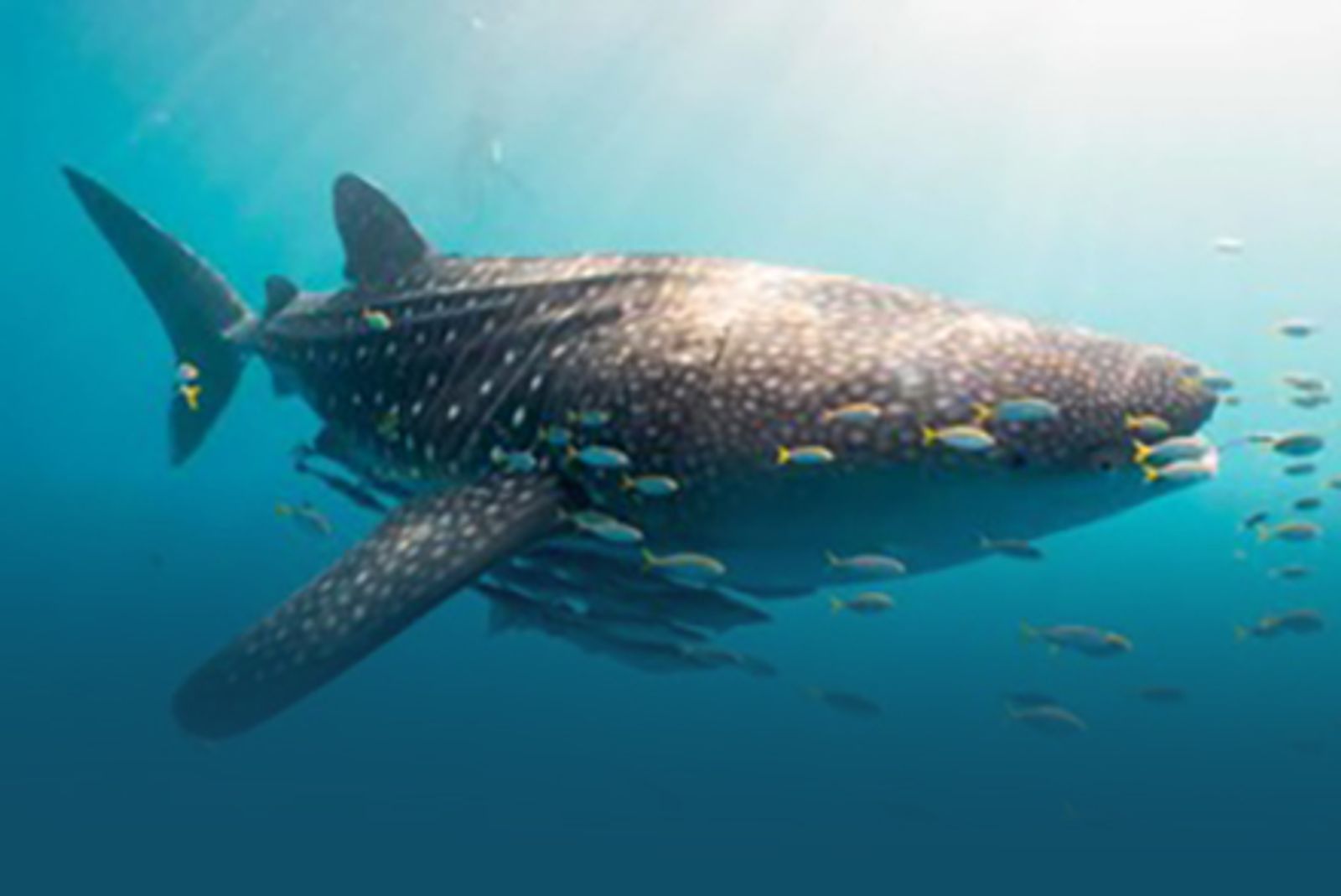
Hammerhead sharks in schools are the headline encounter, but they are only one chapter. Manuk volcano hosts sea snake populations of a density found nowhere else in the world. Nil Desperandum atoll rises from the open Banda Sea with no land for hundreds of kilometers in any direction, yet its walls are encrusted with giant sea fans and barrel sponges and patrolled by schooling tuna, Spanish mackerel, and, in season, hammerheads rising from 10 to 50 meters in formations that can exceed 40 individuals. Serua Island, an active volcano with one small village, has house reefs that hold more big fish than most celebrated marine parks.

The terrain itself varies radically across the arc. The Inner Banda Arc features volcanic mountains with forested peaks rising to 868 meters. The Outer Banda Arc transitions to flatter coral islands, limestone structures, and white-sand beaches fringed by walls that drop vertically into the abyss. No two islands feel the same. Every passage opens onto a new character. That variety, over ten to fourteen nights, makes the Forgotten Islands feel like several destinations compressed into one.

Hammerhead shark schooling in the Banda Sea
Beyond the Underwater World

Spice History, Volcanic Landscapes & Living Villages

The Banda Islands at the heart of this region were the most coveted real estate on Earth for 300 years. Nutmeg, mace, and cloves grew only here, and their trade financed empires. Fort Belgica on Banda Neira is among the best-preserved Dutch colonial fortresses in Southeast Asia. A guided walk through the spice gardens, the fort, and colonial architecture gives a history lesson that no museum can replicate, set against one of the most beautiful anchorages in Indonesia.

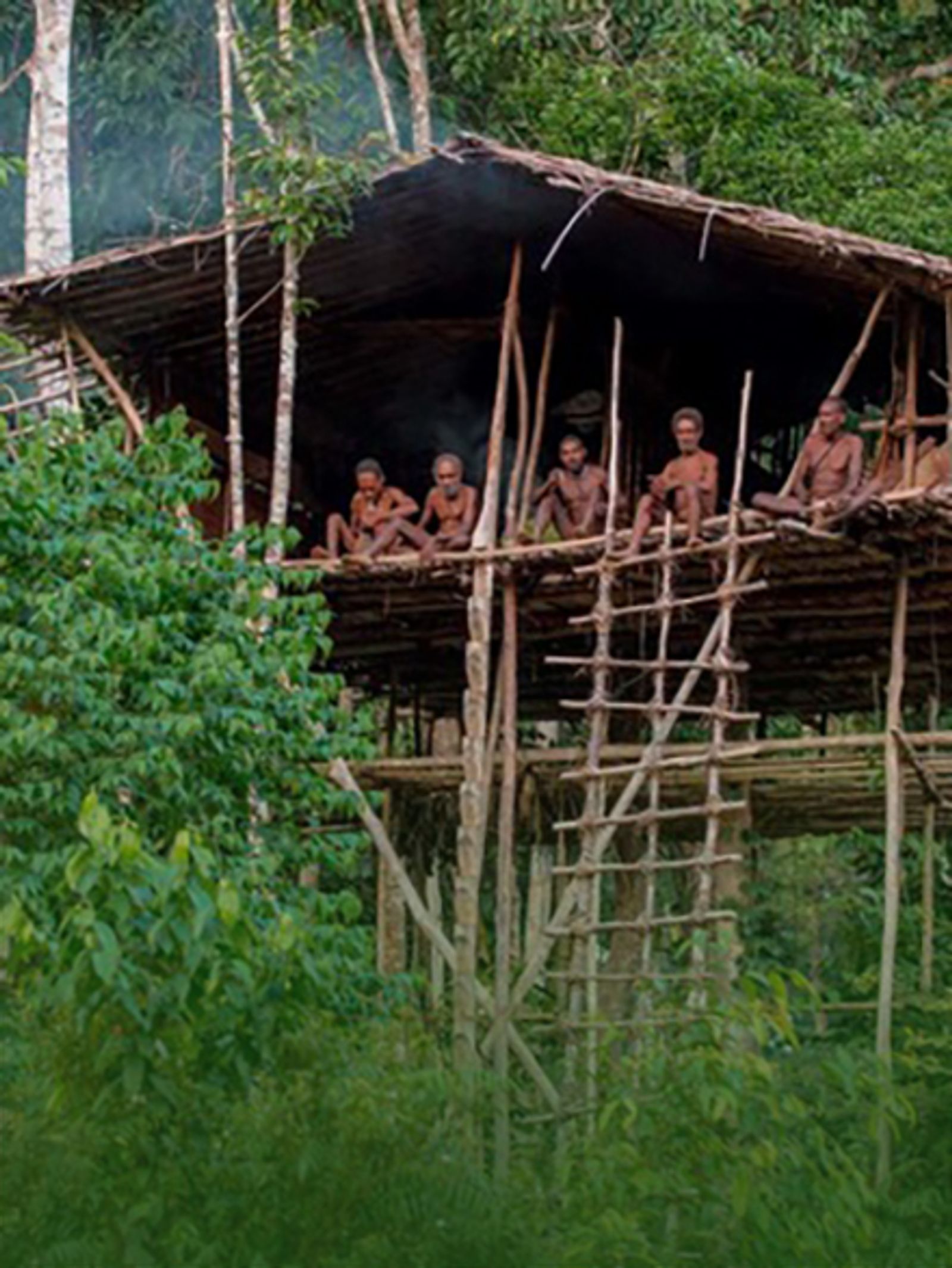
Serua Island, an active stratovolcano, hosts one of the most isolated villages in Indonesia. The community cultivates cloves, cinnamon, and nutmeg on volcanic soil, surrounded by ocean in every direction. A visit here offers something rare in the modern world: genuine contact with a community that has had limited interaction with the outside, entirely dependent on the sea and the land their volcano provides.

Banda Neira

Dutch fort, nutmeg plantations, colonial architecture

Serua Village

Isolated spice community on an active volcano

Cetacean Passages

Sperm whales, pilot whales, dolphin schools

Banda Neira spice islands Dutch fort Indonesia
Our Experience
Our Experience

We Know These Waters

The Forgotten Islands require a different kind of preparation than a standard Indonesia charter. Weather windows are narrow, passages are long, and several of the most important dive sites have no fallback if conditions close. We plan these expeditions with more conservatism than any other route we run, and we have never lost a window we could have caught.

We have run expeditions through the Banda Sea's seasonal rhythms across many years. We know which months give the hammerhead encounters at Nil Desperandum, which anchorages hold in a south swell, and where to find the sea snakes at Manuk without disturbing the colony. This region rewards accumulated knowledge, and ours has been earned over years of pushing east from the Spice Islands into genuinely uncharted territory.

Since 2015

Operating in East Indonesia

Multiple Each Year

Forgotten Islands Expeditions

Apr & Oct

Peak Expedition Window

Sub-Regions

Three Distinct Worlds Within One Arc

The Forgotten Islands stretch from the Spice Islands of the Banda Sea through the volcanic Inner Arc to the remote atolls of the open ocean.

Western Gateway

Western Gateway

The Banda Islands

The historic heart of the spice trade. Banda Neira offers the expedition's cultural anchor: Fort Belgica, nutmeg plantations, colonial streets, and a sheltered anchorage with exceptional house reefs. The diving here includes deep vertical walls, hard coral gardens, and the chance to spot large pelagics on the outer reef edges.

Nutmeg Plantations Fort Belgica House Reefs
Open Sea Atolls

Open Sea Atolls

Nil Desperandum & Serua

The expedition's centerpiece. Nil Desperandum is a tiny coral atoll in the middle of open ocean, named for a ship stranded on its reef centuries ago. Its steep drop-offs concentrate schooling hammerhead sharks, large tuna, and Spanish mackerel. Serua Island, an active volcano, hosts some of the most fish-dense reefs in eastern Indonesia and a village of extraordinary cultural isolation.

Serua Village Hammerhead Schools Open Sea Walls
Eastern Arc

Eastern Arc

Manuk & The Outer Islands

Manuk rises 7,000 meters from the sea floor to 200 meters above the waterline. It is the most easterly active volcano in Indonesia and home to one of the world's most concentrated populations of sea snakes. Above water, massive frigate bird and booby colonies patrol the cliffs. The surrounding reefs feature lava-flow formations, hydrothermal vents, and dramatic fish-dense walls.

Sea Snake Colony Lava Flow Reefs Sea Bird Colonies
Key Sites

Dive Sites of the Forgotten Islands

These are not sites designed for divers. They are sites shaped by geology, volcanoes, and deep-ocean currents, and experienced divers encounter them on the ocean's own terms.

Open Sea Atoll

Open Sea Atoll

Nil Desperandum

A tiny reef in the middle of the Banda Sea. Steep walls descend to 40 meters and beyond, attracting schooling hammerhead sharks, tuna, mackerel, and occasional oceanic mantas. Named for a Dutch vessel stranded here in the 17th century.

Advanced 10-40m
Eastern Arc

Eastern Arc

Manuk Volcano

Indonesia's most easterly active volcano rises directly from 7,000 meters. The reefs hold the world's densest banded sea krait population: hundreds of Laticauda colubrina move through the corals. The walls are heavily encrusted with sea fans and barrel sponges.

Sea Snakes Intermediate
Open Sea Atolls

Open Sea Atolls

Serua House Reef

The fringing reef around Serua Island is disproportionately rich for its size. Active volcanic soil nutrients feed a reef system packed with schooling fish, reef sharks, and eagle rays. Hammerheads are regularly sighted in the blue off the reef wall.

Schooling Fish All Levels
Eastern Arc

Eastern Arc

Manuk Lava Flow

On the leeward side of Manuk, lava flows have created dramatic black-rock formations colonized by staghorn and table corals. This is one of the best sites in the world for the Mandarin Fish mating ritual, which occurs at dusk in the branching coral rubble.

Mandarin Fish All Levels

Marine Life

What Lives Here

The Banda Sea's depth and isolation have preserved marine populations in a state rarely seen in more accessible waters.

Sphyrna lewini

Scalloped Hammerhead

Sphyrna lewini

Schools of 20-50 hammerheads have been documented at Nil Desperandum and Serua. Best encounters in the April and October windows. Dives to 10-50m. Among the most reliable hammerhead schooling sites in the Indo-Pacific.

Laticauda colubrina

Banded Sea Krait

Laticauda colubrina

Manuk Island hosts the world's densest known sea snake colony. Non-aggressive, intensely curious, and extraordinary to observe. Year-round presence with highest densities during calm season.

Physeter macrocephalus

Sperm Whale

Physeter macrocephalus

The Banda Sea sits on a cetacean migration corridor. Sperm whales, pilot whales, and multiple dolphin species regularly surface near vessels. Surface encounters common; underwater encounters rare but documented.

Mobula birostris

Oceanic Manta Ray

Mobula birostris

Oceanic mantas pass through the Banda Sea on seasonal circuits. Encounters typically in open water between islands, occasionally in numbers of 3-8 individuals. Most common April-May and September-November.

The Numbers

  • 7,000m Maximum Banda Sea depth
  • 1,000 km Length of the island arc
  • 40-50 Hammerheads per school (documented)
  • 27-30°C Water temperature year-round

Planning

Season Guide

The Banda Sea has a sharp seasonal pattern. Two narrow windows of calm conditions, one in spring and one in autumn, frame the year. Outside these, the open-ocean passages become impractical.

Season: April and October

The Banda Sea is highly seasonal. The best conditions occur in the two transition windows between the monsoons: April and October, when seas settle and visibility reaches 25 to 30 meters. These windows also offer the best chance of hammerhead encounters at Nil Desperandum, though sharks are never guaranteed and sightings depend on conditions.

During peak windows, the Banda Sea can be extraordinarily calm. Passages between islands become smooth, anchorages are comfortable, and underwater visibility is at its maximum. This is also when whale and dolphin sightings along passages are most frequent.

Off Season: December through March & June through August

The northwest monsoon (December through March) and the southeast monsoon (June through August) both make the Banda Sea challenging. Swells build, passages become rough, and access to open-sea sites like Nil Desperandum becomes unreliable. Some dedicated expedition operators run modified routes in these months, staying closer to the more sheltered western islands, but the full arc is generally inaccessible.

Month Conditions Visibility Mantas
January Challenging 15-20m Low
February NW Monsoon 15-20m Low
March Transitional 18-25m Medium
April Calm 25-30m High
May Calm 25-30m High
June SE Monsoon 18-25m Avoid
July SE Monsoon 15-20m Low
August Excellent 15-20m Medium
September Excellent 25-30m High
October Excellent 28-35m Peak
November Excellent 28-35m High
December Shoulder 20-28m Medium
Peak
Shoulder
Off Season

Timing Note

If your primary goal is schooling hammerheads, plan for October. April is the other reliable window, with slightly less predictable aggregations. We build detailed weather analysis into every Forgotten Islands inquiry.

Logistics

Getting There

Departure City
Travel Time
Bali (DPS)
~3-4 hrs Direct
Jakarta (CGK)
~3 hrs Direct
Bali (DPS)
~5-6 hrs 1 stop
Ambon
~10 min Direct
Saumlaki
~30 min Direct

The Journey to the Banda Sea

The Forgotten Islands are accessed via Ambon (AMQ) or Saumlaki (SXK), depending on itinerary direction. Ambon is the most practical gateway: it is served by daily domestic flights from Jakarta (CGK) and Bali (DPS) on Garuda Indonesia and Lion Air, with journey times of approximately 3 to 4 hours from Bali including a connection.

Saumlaki on Tanimbar Island is a smaller airport with less frequent connections, typically requiring a connection through Ambon. It is most commonly used for one-way expeditions that embark in Saumlaki and disembark in Ambon, or vice versa. We manage all domestic flight logistics and recommend booking as early as possible for the October and November peak window.

Charter aviation is available for private expeditions. A direct charter flight from Bali to Ambon or Saumlaki eliminates the connection and reduces overall transit time. We can arrange this through our network of domestic charter operators upon request.

From the Charter Team

Insider Knowledge

More than a decade of expeditions through these waters has taught us things that no guidebook covers.

Insider knowledge card image

Book October

The Banda Sea opens in two short transition windows, April and October. Nil Desperandum is known for schooling hammerheads, and these are among the best months to look for them, though encounters always depend on conditions. If you only go once, go in October.

Insider knowledge card image

Experienced Divers Only for Key Sites

Nil Desperandum, the outer Banda Sea walls, and several Eastern Arc sites require Advanced Open Water certification and a minimum of 50 logged dives. Current at open-sea sites can be strong and unpredictable. Beginners can join expeditions but will miss several headline dives. Plan accordingly.

Insider knowledge card image

The Sea Snakes at Manuk Won't Bite

Every first-time diver at Manuk needs to be briefed: the banded sea kraits are curious, approach divers closely, and are highly venomous. They are also docile and non-aggressive. The protocol is straightforward: don't grab them, don't corner them, and let them investigate you. The encounters are extraordinary once the initial instinct to retreat is controlled.

Insider knowledge card image

Build in Banda Neira Time

Many expeditions rush through Banda Neira to get to the dive sites. This is a mistake. The fort, spice history, and local culture deserve a full day. The best Forgotten Islands expeditions balance the underwater experience with the above-water history, and Banda Neira is the most compelling colonial site in Eastern Indonesia.

Insider knowledge card image

Bring Seasickness Medication

Even experienced sailors can struggle on the open Banda Sea passages between island groups. Some legs take 12-18 hours on open water. The crossings are worth it, but prepare pharmacologically. Scopolamine patches work best for longer passages. We stock common remedies on board but recommend discussing this with your doctor in advance.

Insider knowledge card image

Satellite WiFi, Not Streaming

Mobile coverage is non-existent across most of this route. All Indo Yachts expedition vessels carry satellite WiFi suitable for email and messaging. Streaming is not practical in these waters. Brief the group before departure: this is one of the genuinely disconnected journeys left in the world, and most guests come to consider that a feature, not a limitation.

Questions

Forgotten Islands FAQ

What is the best time to visit the Forgotten Islands?

October and November offer the most reliable conditions: calm seas, 28 to 35 meter visibility, and the highest probability of schooling hammerheads at Nil Desperandum. April and May are also excellent. Avoid June through August and December through March.

Do I need to be an advanced diver?

Advanced Open Water certification and a minimum of 50 logged dives is strongly recommended. Several headline sites, including Nil Desperandum and the outer Banda Sea walls, involve strong currents and blue-water conditions. Beginners can join expeditions but will sit out several key dives.

How long should a Forgotten Islands expedition be?

Ten nights is the practical minimum to cover the full arc from Ambon or Saumlaki and include meaningful time at Nil Desperandum, Serua, and Manuk. Twelve to fourteen nights allows for a more relaxed pace and full engagement with the Banda Islands cultural sites. Shorter itineraries are possible but involve compromises.

Is this expedition suitable for non-divers?

Yes, with the right expectations. Snorkeling is excellent at several Banda Islands sites. The above-water experience is genuinely compelling: whale and dolphin sightings during passages, Banda Neira's colonial history, sea-bird colonies at Manuk, and village visits. Non-divers who enjoy open-ocean sailing will find the expedition rewarding.

Interested in Chartering the Forgotten Islands?

Please get in touch to discuss planning your private charter.