West Papua, Indonesia

Cenderawasih Bay

Where whale sharks gather, and the world disappears.

Scroll
Year-Round
Whale Shark Access
1.5M ha
Protected Marine Area
150+
Coral Species Recorded
Since 2002
Marine National Park

Indonesia's Wildest Marine Frontier

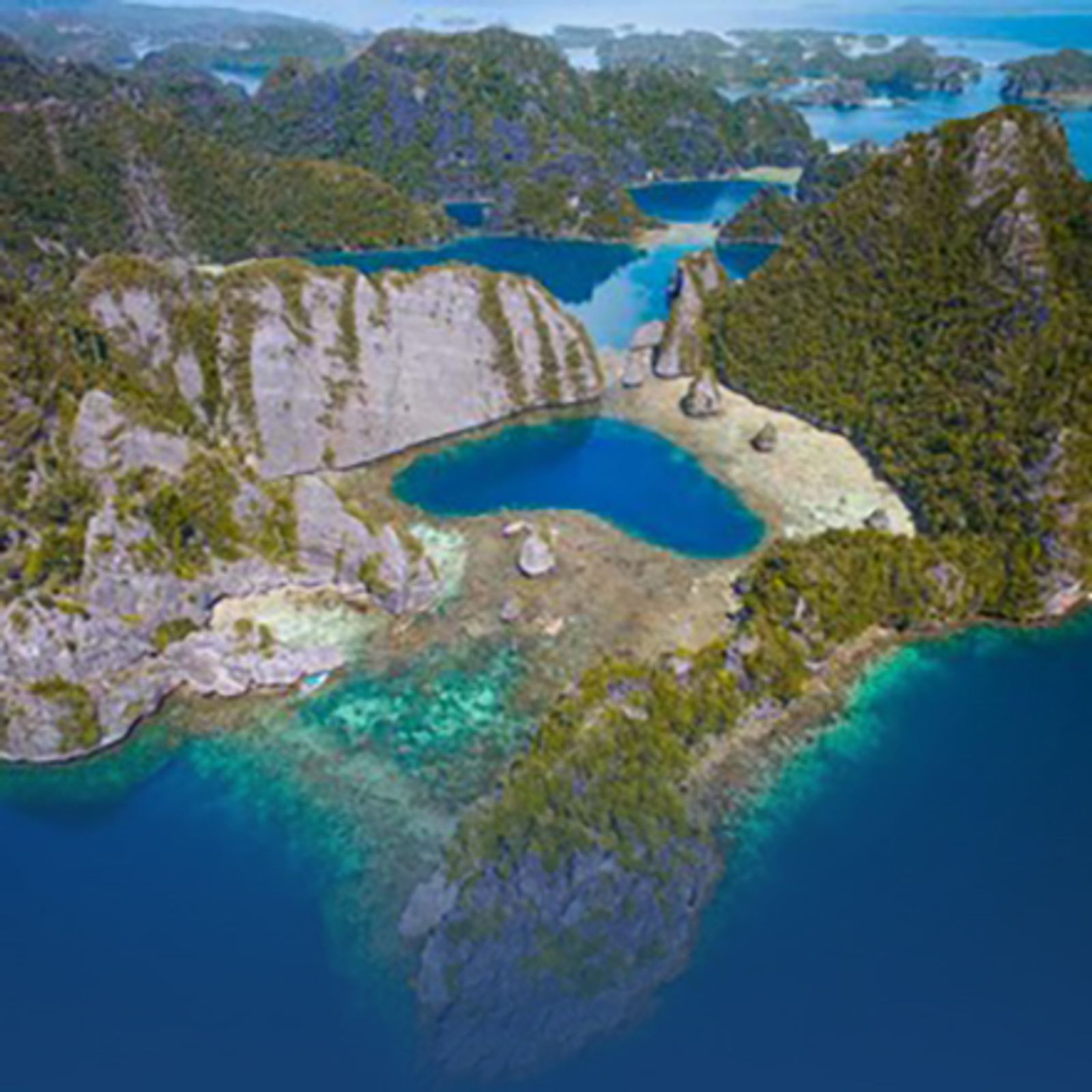
Cenderawasih Bay is one of the least-visited marine environments on Earth. Spanning more than 1.5 million hectares of protected ocean along West Papua's northern coastline, it is Indonesia's largest national marine park. Most of it has never been dived.

The name itself is a promise. Cenderawasih means bird-of-paradise in the local tongue, an allusion to the rare and flamboyant birds that inhabit the surrounding rainforest. Below the surface, the bay lives up to the name: coral gardens, vertical walls, WWII wrecks, and an abundance of marine life that shows how undisturbed this place remains.

What draws serious travelers here, though, is simpler. Whale sharks. The waters around Kwatisore Bay host one of the most reliable and intimate whale shark encounters anywhere on the planet. Gentle giants rise each morning to feed alongside the local fishing platforms, so accustomed to human presence that encounters feel less like wildlife watching and more like an unhurried meeting with something enormous and calm.

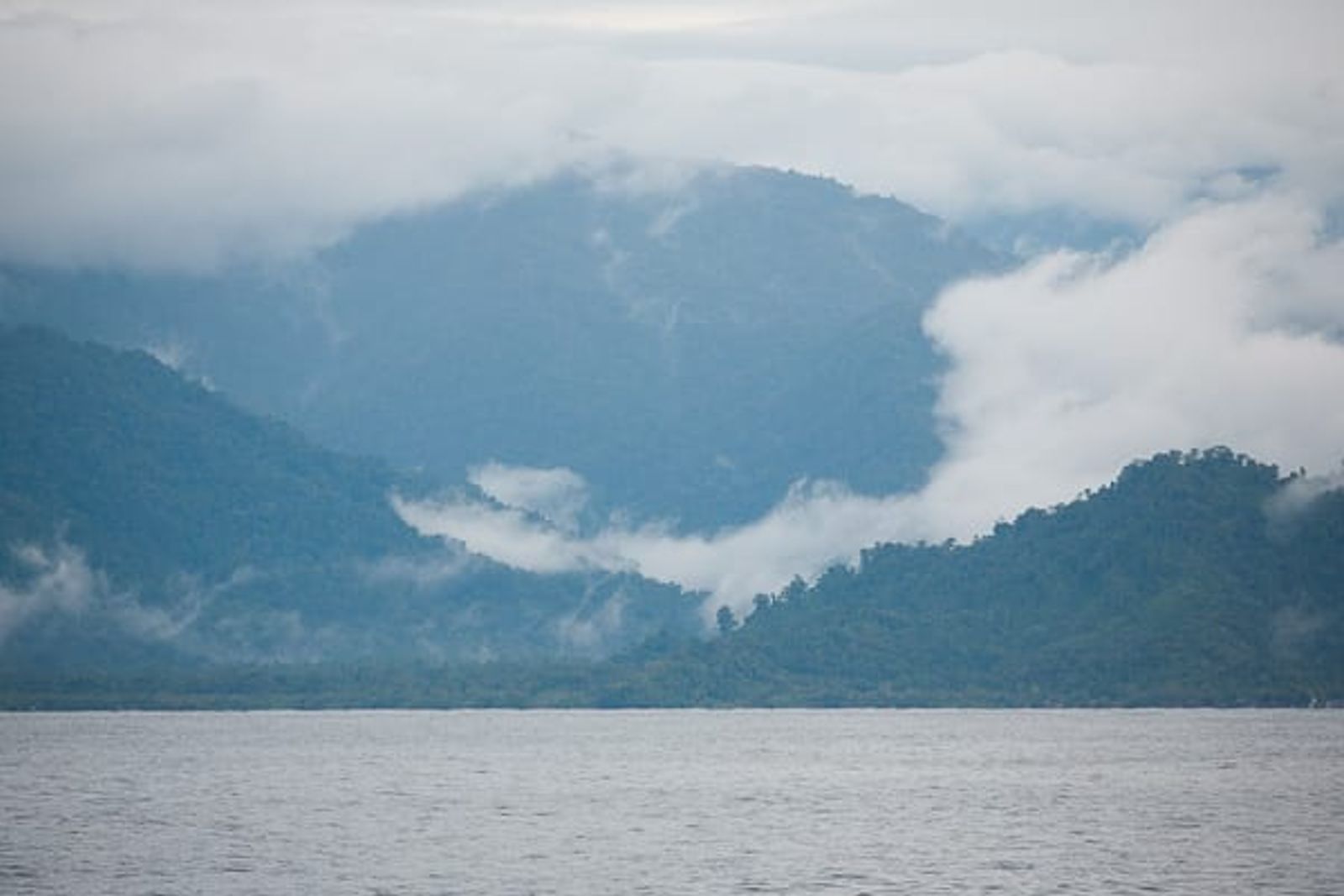
The bay's rainforest coastline stretches 500 kilometers along West Papua's north shore.

The bay's rainforest coastline stretches 500 kilometers along West Papua's north shore.

"

Nowhere else in Indonesia do you feel so genuinely off the map. The whale sharks rise each morning like clockwork, and by afternoon you're diving walls that likely haven't been touched in years. It's the closest thing left to true exploration.

Indo Yachts Charter Team, Cenderawasih Bay, West Papua

What Makes Cenderawasih Different

Most destinations offer whale shark encounters as a lottery. You go, you hope. In Cenderawasih Bay, the encounter is the itinerary. The whale sharks are present year-round, habituated to the bagans, and entirely unafraid. Guests swim alongside them in open water (not from a boat, not briefly) for extended, unhurried encounters that are simply impossible elsewhere.

Then there is the diving itself. Over 200 fish species have been recorded within the park, and that figure reflects survey effort rather than actual abundance. The coral gardens around the bay's smaller islands are dense and healthy, with hard corals carpeting the shallows in formations that take decades to establish. The vertical walls drop into blue water, and the visibility on calm days extends beyond 30 meters.

Biak Island adds a layer of history. The island served as a strategic Japanese naval base during World War II and lost multiple ships and aircraft in the waters around it. Several wrecks are now rarely-dived sites covered in decades of coral growth, home to large fish populations and accessible to advanced divers. This combination of gentle giants, healthy reefs, and living history has few equivalents in Southeast Asia.


Diver on a coral wall in Cenderawasih Bay
Above the Surface

Beyond the Underwater World

Cenderawasih Bay is not a destination that begins and ends at the waterline. The surrounding rainforest is one of the most biologically diverse on Earth, home to endemic bird species including several species of bird-of-paradise. Early morning birding excursions with local guides reveal a canopy alive with color and sound that rivals anything below the surface.

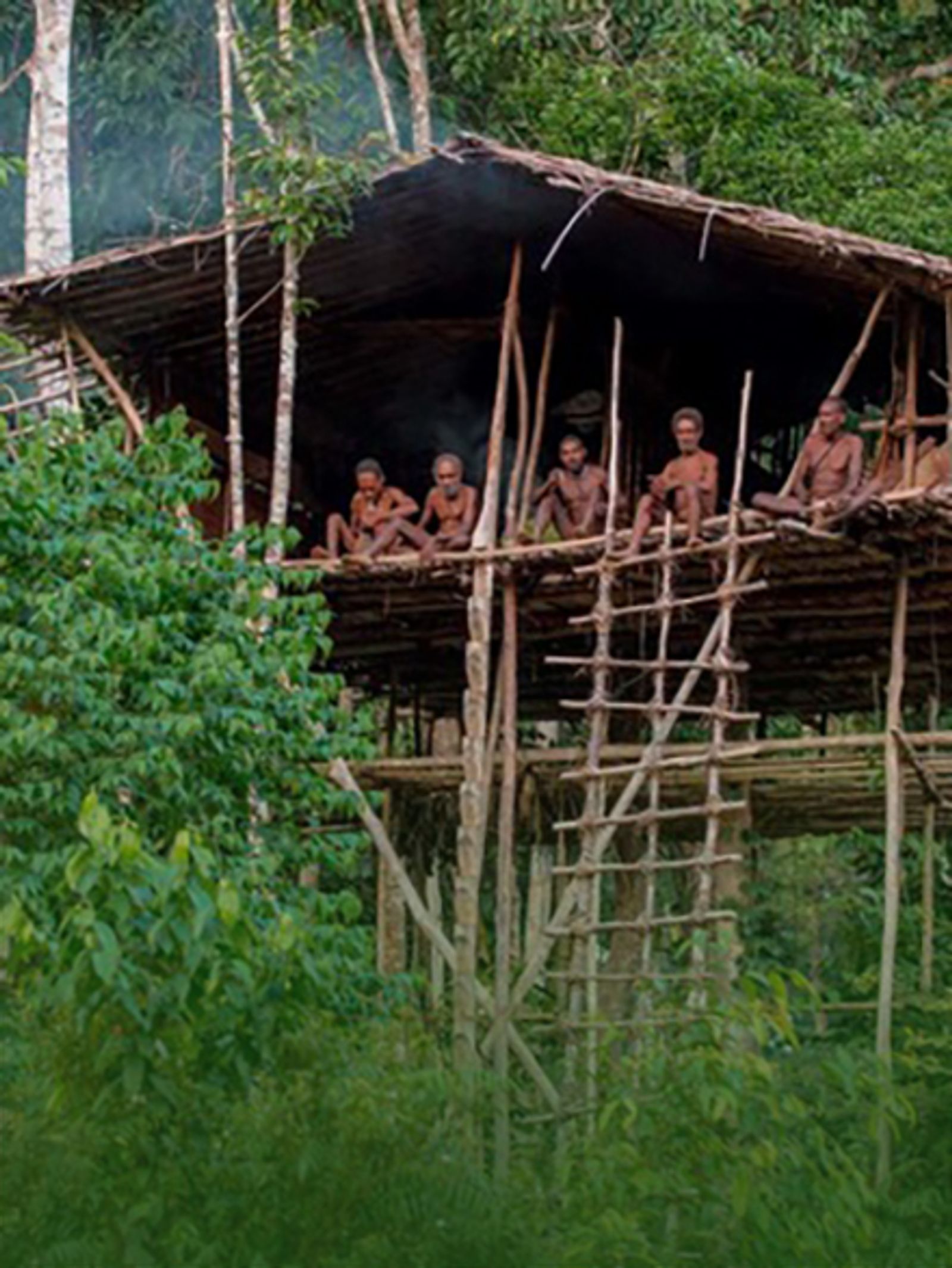
The bay's islands contain small communities with a way of life largely unchanged by the outside world. Village visits offer genuine cultural exchange: local craft traditions, ceremonial dress, and storytelling that connects guests to a landscape that has sustained people for thousands of years. The monument on Mansinam Island, where Christian missionaries first arrived in Papua, marks a historical pivot point still visible today.

Bird-of-Paradise

Multiple species accessible on guided rainforest walks at dawn.

Village Encounters

Authentic Papuan communities welcoming guests into daily life.

WWII History

Bunkers, wrecks, and wartime relics across Biak and Roon islands.

Rainforest and Papuan village along the Cenderawasih Bay coastline
Our Experience
Our Experience

We Know These Waters

Cenderawasih Bay is not a destination you find from a guidebook. It requires relationships: with local fishermen who manage the bagans, with park authorities who protect the marine reserve, and with captains who know which anchorages offer shelter when the weather shifts.

We have been operating charters in West Papua since 2015. Our team has developed the logistics, the local connections, and the operational knowledge to run Cenderawasih itineraries that go far beyond what a first-time visitor can arrange. The whale shark encounters we facilitate are genuine, unhurried, and built on years of trust with the communities who call this bay home.

Since 2015

Operating in Cenderawasih

3

Charter Ports Available

Year-Round

Whale Shark Access

Explore the Bay

Two Worlds, One Bay

Cenderawasih divides naturally into two distinct cruising zones, each with its own character, highlights, and best-season windows.

Inner Bay

Inner Bay

Kwatisore & the Bagan Grounds

The heart of the whale shark experience. Kwatisore Bay holds the highest concentration of active bagans, where resident whale sharks gather daily to feed on the discarded ikan puri. Calm, warm, and shallow: ideal for extended time in the water with the giants.

Whale Sharks Bagan Platforms Dugong Sightings
Outer Islands

Outer Islands

Biak, Manokwari & the WWII Wrecks

The outer reaches of the bay offer a different character: dramatic reef walls, WWII wreck sites around Biak and Manokwari, and open-water encounters with dolphins, manta rays, and occasional blue whales. This is where Cenderawasih reveals its depth.

WWII Wrecks Reef Walls Manta Rays
Dive Sites

Cenderawasih's Finest Dive Sites

From whale shark platforms to haunting WWII wrecks and sweeping reef walls, Cenderawasih offers a range of diving unlike anywhere else in Indonesia.

Kwatisore Bay

Kwatisore Bay

Kwatisore Bagan

The signature dive: up to 15 whale sharks feeding beneath the fishing platform, tolerant and unhurried.

Whale Sharks 5-12m
Biak Island

Biak Island

Shinwa Maru

A 120-meter Japanese cargo ship, now a coral-encrusted time capsule teeming with reef sharks and lionfish.

Wreck 18-35m
Biak Island

Biak Island

P-40 Tomahawk

An Allied fighter aircraft resting upright on a sandy slope, intact and draped in soft coral: a hauntingly beautiful wreck.

Wreck Advanced
Biak Island

Biak Island

Cross Wreck

Named for the cross-shaped superstructure visible from above, a compact WWII wreck smothered in healthy soft corals.

Hard Coral All Levels

Marine Life

What Lives in Cenderawasih Bay

The bay's protected, nutrient-rich waters support a remarkable concentration of species, from the world's largest fish to endemic reef creatures found only in this corner of the Coral Triangle.

Rhincodon typus

Whale Shark

Rhincodon typus

The world's largest fish, resident year-round at the bagans. Up to 15 individuals on a single dive.

Mobula birostris

Oceanic Manta Ray

Mobula birostris

Encounter them at outer reef cleaning stations and in the open water between islands.

Dugong dugon

Dugong

Dugong dugon

Cenderawasih's calm seagrass shallows support one of Indonesia's healthiest dugong populations.

Dermochelys coriacea

Leatherback Turtle

Dermochelys coriacea

The world's largest turtle, reliably sighted at outer reef sites: a genuinely rare encounter elsewhere in Indonesia.

Bolbometopon muricatum

Bumphead Parrotfish

Bolbometopon muricatum

Schools of these large, prehistoric-looking fish patrol the reef slopes, dramatic and surprisingly accessible.

Multiple genera

Endemic Reef Species

Multiple genera

The bay's isolation has produced numerous endemic species that draw scientific divers and underwater photographers.

The Numbers

  • 150+ coral species documented in the bay
  • 1,000+ fish species in the bay
  • 15 maximum whale sharks recorded on a single dive
  • 365 days per year whale sharks are present
  • 1.5M hectares of protected marine area

When to Go

Cenderawasih Season Guide

Unlike most dive destinations, Cenderawasih Bay is viable year-round due to its equatorial position and resident whale shark population. Conditions do vary; here is what to expect each month.

Peak Season: May through October

The dry season delivers the best overall conditions: calmer seas, superior visibility of 20-30 meters, and excellent whale shark activity at the bagans. Water temperature holds steady at 27-30°C. Outer reef sites are accessible and at their most rewarding. This is the season for combining bagan dives with wreck exploration and wall dives.

Shoulder & Year-Round: November through April

The wet season brings more variable conditions, with occasional afternoon squalls and reduced visibility at outer sites. The whale sharks remain reliably and predictably at the bagans throughout. Inner bay diving is largely unaffected. November through January can be particularly good for dolphin and dugong encounters in calmer bays.

Month Conditions Visibility Mantas
January Excellent 10-20m High
February Variable 10-20m High
March Very Good 15-25m High
April Very Good 15-25m High
May Excellent 20-30m Medium
Jun-Aug Good 20-30m Low
September Excellent 20-30m Medium
October Excellent 20-25m High
November Excellent 12-22m High
December Excellent 10-20m Peak
Peak
Shoulder
Off Season

The Key Difference: Whale Sharks Don't Follow the Season

This is Cenderawasih's defining advantage. In Raja Ampat, manta timing is seasonal. In Komodo, the conditions dictate the encounter. Here, the whale sharks are at the bagans every single day of the year. Even in the wet season, with choppy outer waters and reduced visibility, you will dive with whale sharks. That guarantee exists nowhere else in the world.

Getting There

Reaching Cenderawasih Bay

Departure City
Travel Time
Jakarta (CGK)
3.5 hrs 1 stop
Bali (DPS)
4 hrs 1 stop
Singapore (SIN)
6 hrs 1 stop
Sydney (SYD)
8 hrs 1 stop
London
18-20 hrs 2 stops

Gateway Airports

Cenderawasih Bay is served by two main gateways: Manokwari (MKW) on the western edge of the bay, and Nabire (NBX) on the southern coast. Manokwari is preferred for most charters, with regular Garuda Indonesia connections from Jakarta. Biak (BIK) is an alternative for charters focusing on the wreck sites around Biak Island.

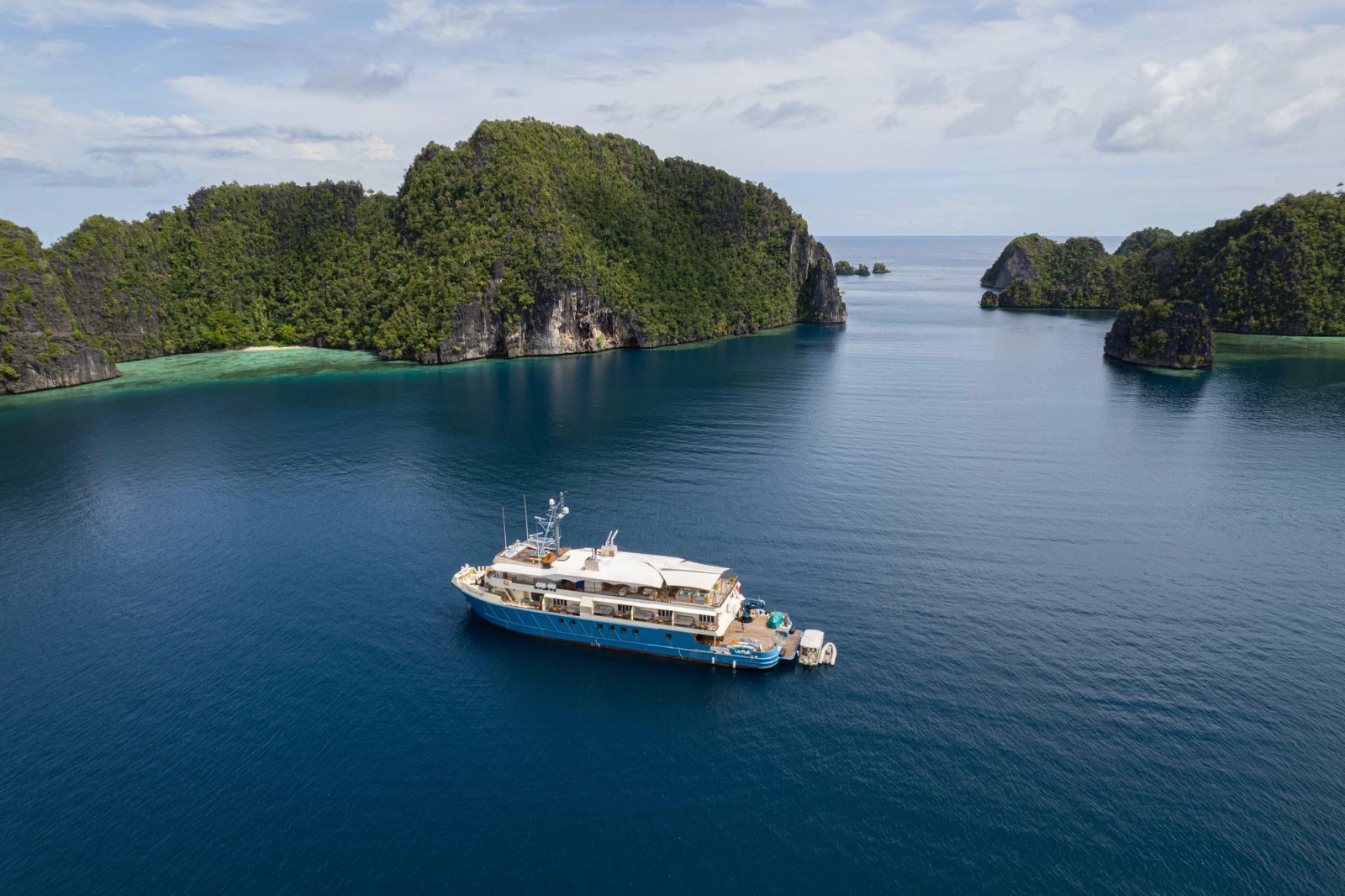
Transfer to the Yacht

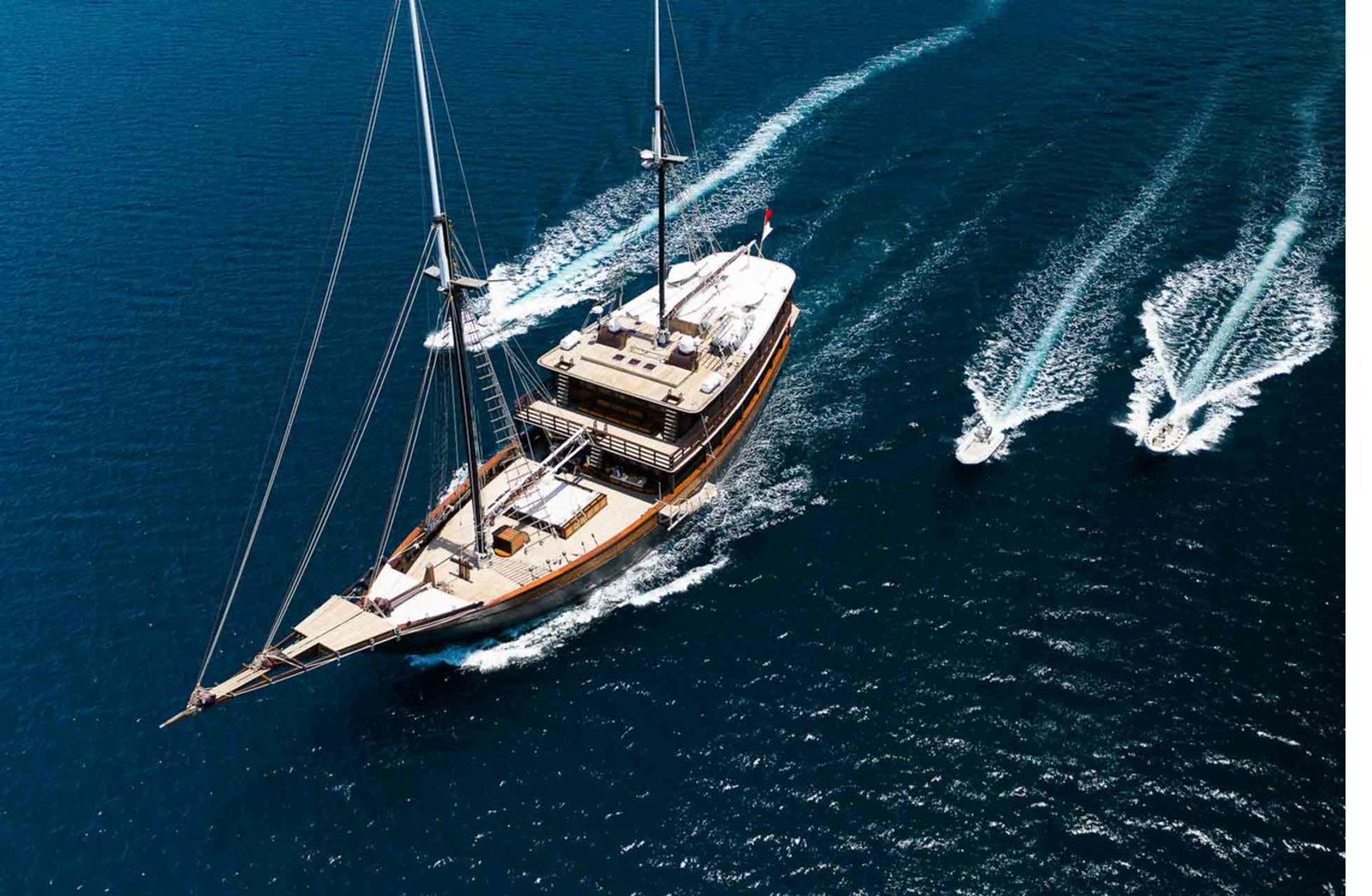
From Manokwari or Nabire, tender transfers to the yacht take 30 to 60 minutes depending on anchorage. We coordinate all ground logistics, airport transfers, and Indonesian customs formalities. Most charters embark in Manokwari and disembark in Nabire, or vice versa, covering the bay in a single one-way passage.

Private Aviation

Chartered aircraft from Bali or Jayapura can reach Nabire or Manokwari directly, cutting transit time significantly for groups with flexible budgets. We work with trusted operators for private aviation coordination.

MKW / NBX

Primary Airports

7-14 Nights

Recommended Charter

27-30°C

Water Temperature

From the Charter Team

Insider Knowledge

More than a decade of Cenderawasih charters has taught us things that don't appear in any guidebook.

Insider knowledge card image

Dive the Bagans at First Light

The whale sharks are most active in the early morning before surface temperatures rise. First light dives at the bagan consistently deliver the most sharks and the calmest water surface for photography.

Insider knowledge card image

New Moon Increases Activity

Bagan fishing intensifies during the new moon when ikan puri rise to the surface. More fishing activity means more discarded baitfish, which means more (and more active) whale sharks. Plan your itinerary around the lunar calendar.

Insider knowledge card image

Follow the Bagan Ropes Down

While everyone watches the whale sharks near the surface, following the bagan anchor ropes to 35-40 meters reveals a different world: sailfish, marlin, and large pelagic species hunting in the depths below the feeding platform.

Further Reading

From the Journal

Dispatches from Indonesia's most extraordinary waters. Yacht features, expedition reports, and the stories behind our most memorable charters.
Questions

Cenderawasih Bay FAQ

Can I really see whale sharks every day?

Yes. The whale shark population at Kwatisore Bay is resident and conditioned to the bagans year-round. We have never run a charter to Cenderawasih where guests did not encounter whale sharks; the only question is how many (typically 3 to 12 per dive).

What's the best time of year to visit?

May through October offers the best overall conditions: calm seas, 20-30m visibility, and optimal outer reef diving. That said, the whale sharks are present and reliable throughout the year, even during the wet season.

How do I get to Cenderawasih Bay?

Fly into Manokwari (MKW) or Nabire (NBX) via Jakarta with Garuda Indonesia. Most charters embark at one gateway and disembark at the other, covering the full bay in a single passage. We coordinate all transfers.

What diving experience do I need?

Open Water certification is sufficient for the bagan dives and most reef sites, where conditions are generally calm and shallow. Advanced certification is recommended for wreck sites and deeper reef walls. Every itinerary includes site briefings tailored to the group's experience.

Interested in Chartering Cenderawasih Bay?

Please get in touch to discuss planning your private charter.