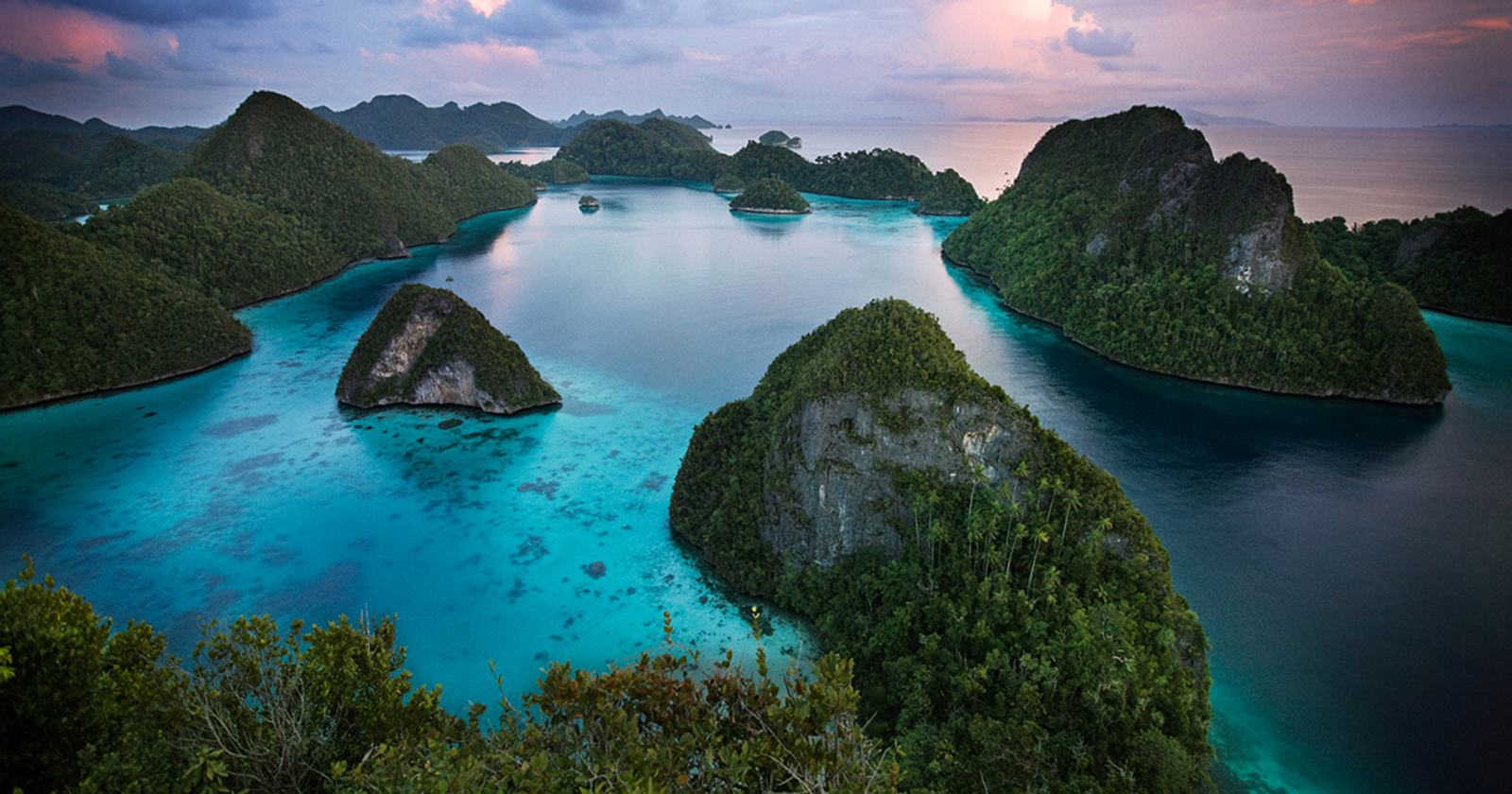
East Nusa Tenggara, Indonesia

Rote & Savu

Indonesia's southernmost frontier, where the Indian Ocean swells meet empty reefs and living tradition.

Scroll
Rote, Savu, Ndana
Key Islands
May–Oct
Season
T-Land
Signature Wave
~1,200 km
Distance from Bali

Indonesia's Edge: Where the Ocean Delivers

Rote Island sits at 10°S, the southernmost inhabited island of Indonesia, separated from the Australian continent only by the Timor Sea. This geographic position is its entire story. The unobstructed Southern Ocean fetch (swells rolling thousands of kilometers from Antarctic storms with nothing to slow them) arrives at Rote's reef system with mechanical precision and extraordinary power. T-Land, the island's signature left-hander, has been producing exceptional waves since surf exploration began here in the 1980s, and the break continues to deliver long, barreling lefts that draw experienced surfers from every corner of the globe.

Savu, or Sabu, lies 100 kilometers to the northwest. Less visited, more remote, it occupies a different character within the same charter territory: drier, more arid, with a strong weaving tradition rooted in the ikat textiles of the Sabu people. Savu's reefs and passes are far less documented than Rote's, which for a private yacht charter becomes an advantage rather than a limitation. You are anchored in waters that see a handful of vessels per season. The marine life, the breaks, and the village encounters belong almost entirely to you.
T-Land reef break, Nemberala, Rote Island: the wave that put southern Indonesia on the surf map.

T-Land reef break, Nemberala, Rote Island: the wave that put southern Indonesia on the surf map.

"

There is a quality to Rote that is difficult to explain until you've anchored off the break at first light with no other vessel in sight, watched a perfect left unload for four hours, and then sailed north to an island that barely exists on a tourist map.

Indo Yachts Charter Team

A Different Kind of Frontier

Most Indonesian charter destinations are known. Raja Ampat has been photographed from every angle. Komodo has a visitor management system and a waiting list at peak season. Even Wakatobi, once remote, now has direct flights and established dive resorts. Rote and Savu are not on that trajectory.

Rote draws surf travelers who have already done the circuit (the Mentawais, the Telos, G-Land) and are looking for what is next. Savu draws almost no one, which is precisely why it belongs on a serious expedition itinerary. The reefs around Savu's northern coast and the channel between Savu and Raijua Island see almost no dive or snorkel pressure. The hard coral coverage in these waters reflects a system that has not been loved to pieces by overcrowding.

The people are equally compelling. The Rotinese are known throughout Eastern Indonesia as historically skilled traders, musicians, and textile weavers. The sasando, a palm-frond harp unique to Rote, is played at ceremonies and in village homes. The Savu people maintain ikat dyeing traditions, using plants native to the dry interior to produce textiles that are among the most distinctive in Indonesia. A charter that builds village visits into its agenda finds these moments as memorable as anything underwater.

Rotinese sasando musician & Savu ikat weaving
Beyond the Break

More Than a Surf Charter

Rote's identity is anchored to surfing, but a yacht charter here offers a broader portfolio. Non-surfers on the same vessel can snorkel the fringing reefs around Nemberala and Ba'a, join guided village walks in Seba on Savu, or spend a morning with a local boat captain hand-lining for the yellowfin tuna and wahoo that run through the Savu Sea at depth.

The birding on both islands is surprisingly compelling. Rote and Savu are home to several endemic and near-endemic bird species, including the critically endangered Rote Island scops-owl, recorded from a small area of forest in Rote's interior, and the Savu paradise-flycatcher on Savu. Birding charter guests with a guide have had productive mornings in the dry forest behind Nemberala before the surf session begins.

Cultural immersion deepens the trip. Both islands host living weaving traditions, with workshops on Rote and Savu producing ikat textiles for ceremonies that continue today. Charter guests who plan around local market days in Ba'a or Seba find the encounters as memorable as the surf.

Snorkeling

Fringing reefs, channel edges, and isolated bommies around both islands

Village Life

Ikat weaving workshops, sasando performances, traditional markets

Pelagic Fishing

Yellowfin tuna, wahoo, and mahi-mahi in the Savu Sea channel

Nemberala Bay from above, reef visible
Our Experience
Our Experience

We Know These Waters

Rote and Savu sit outside the well-trodden Indonesian charter corridor, and operating here requires specific local knowledge. Anchorages around Savu in particular are poorly charted on standard navigation tools. The captains we work with have run this passage, know which Rote anchorages hold in the southeast swell, and maintain relationships with surf guides in Nemberala who can confirm break conditions before you decide your day's schedule.

We are transparent about what Rote and Savu are: a frontier destination. The infrastructure ashore is basic. The satisfaction comes from the remoteness, not despite it. Our itineraries account for the transit times honestly, and we will tell you directly whether this destination fits your group's expectations before you book.

Since 2015

Operating in Rote & Savu

18

Indonesian Destinations

May-Oct

Operating Window

Destination Geography

Two Islands, Two Characters

Rote and Savu are distinct destinations linked by proximity and the Savu Sea. A well-designed charter navigates between them without redundancy.

Zone 01, Primary Surf Island

Zone 01, Primary Surf Island

Rote Island & Nemberala

Rote Island stretches 80 km east to west, with Nemberala on the west coast serving as the main surf hub and access point to T-Land, which breaks best from May to October on Indian Ocean swells. Beyond surfing, Ba'a in the north is the main town and gateway to inland villages known for traditional Rotinese textiles and music.

Nemberala Reefs Rotinese Ikat Sasando Music
Zone 02, Remote Expedition Island

Zone 02, Remote Expedition Island

Savu (Sabu) & Raijua

Savu is a smaller, semi-arid island west of Rote, with Seba as its main town and access point to traditional weaving villages, while nearby Raijua remains almost untouched by tourism. The channel between Savu and Raijua offers strong drift dives and healthy soft coral, making it ideal for charter guests seeking true remoteness despite limited infrastructure.

Seba Market Raijua Channel Reefs Savu Ikat Textiles
Key Experiences

What Rote & Savu Deliver

Four defining experiences that anchor every charter in this corridor, from the wave that built the destination's reputation to encounters that few travelers have made.

Nemberala, Rote

Nemberala, Rote

T-Land

A long, hollow left-hander breaking over a shallow reef off Nemberala. The wave peels for 200+ meters on a good swell, offering both barreling sections and open-face carving. Best on 6-8ft Indian Ocean swell with light offshore easterlies. Intermediate to advanced.

Reef Break Advanced
Raijua Channel, Savu

Raijua Channel, Savu

Raijua Drift Dives

The narrow channel between Savu and Raijua produces strong tidal currents that aggregate fish life and feed prolific soft coral colonies on the channel walls. Drift diving here is unhurried and rich. Almost no dive boats operate in this passage; conditions and sites require assessment on arrival.

Drift Dive Soft Coral
Interior Villages, Rote

Interior Villages, Rote

Ikat Weaving Villages

Both Rote and Savu have living ikat weaving traditions. Rote's textiles are characterized by bold geometric motifs; Savu's by finer patterning and natural dyes derived from indigo and morinda plants. Village visits with a local guide offer the opportunity to watch weavers at work, commission directly, and understand the cultural grammar embedded in each cloth.

Culture Textiles
Savu Sea

Savu Sea

Nemberala Secondary Breaks

Beyond T-Land, the Nemberala area has additional reef passes and beach breaks suitable for intermediate surfers or for days when T-Land's main peak is too heavy. Bo'a break and the unnamed rights further south of the bay offer a broader range for groups with mixed surfing levels, a genuine advantage of a yacht-based charter over land-based camps.

Mixed Level Reef & Beach

Marine Life

What Lives Beneath the Savu Sea

Rote and Savu are not dedicated dive destinations, but the reefs and open water around both islands hold meaningful marine life, particularly in less-visited areas where pressure has been minimal.

Chelonia mydas

Green Sea Turtle

Chelonia mydas

Green turtles are common on the fringing reefs around Nemberala and throughout the Raijua channel. They are observed regularly during snorkel sessions and are frequently seen from the yacht deck around established cleaning stations on shallow reef crests. Nesting occurs seasonally on the island's quieter beaches.

Stenella longirostris

Spinner Dolphin

Stenella longirostris

Spinner dolphins are a regular presence in the Savu Sea, particularly during morning transits between the two islands. Pods of 30-100 individuals are not unusual. The deep blue-water channel between Rote and Savu is productive cetacean habitat, and sightings of sperm whales have also been reported by vessels transiting this passage.

Thunnus albacares

Yellowfin Tuna

Thunnus albacares

The Savu Sea is productive pelagic fishing territory. Yellowfin tuna are caught throughout the season by local fishermen and on charter troll lines. The deep-water channel produces the most reliable action. Wahoo and mahi-mahi are also present. Charter guests who fish typically have productive results, and fresh tuna on board is a guaranteed feature of a Rote passage.

Acropora spp. and Porites spp.

Hard Coral Systems

Acropora spp. and Porites spp.

The fringing and platform reefs around Rote's southwest coast and Savu's northern shore have not experienced the bleaching pressure affecting more heavily visited Indonesian reef systems. Acropora table corals and massive Porites heads in good condition are found on snorkel-depth flats. Structural integrity is highest in areas with minimal boat anchor damage and no fishing net activity.

The Numbers

  • 10°S Southernmost latitude of inhabited Indonesia, Rote Island
  • ~100km Rote to Savu passage across the Savu Sea
  • 200m+ Wave face length at T-Land on optimal swell
  • ~80,000 Population of Savu, one of Indonesia's least-visited islands

When to Go

Seasons of the Savu Sea

Rote and Savu's surf season runs May through October, with peak swell conditions June through August.

Peak Season: May through October

The southeast trade wind season is the primary charter window for Rote and Savu. From May through October, the Indian Ocean generates consistent long-period swell from the south and southwest, producing reliable surf at T-Land and around the island. Trade winds run at 10 to 20 knots from the southeast, creating clean wave faces on west-facing breaks and manageable sailing conditions for the Rote-Savu transit.

June and July are the most consistent months for swell. August brings the largest surf of the year (T-Land can be too large for most surfers on peak swells), but the best combination of wave size, quality, and safety falls in late May through early July.

Shoulder & Off-Season: November through April

The northwest monsoon runs from November through March. Swell direction reverses, southeast trade winds give way to variable or westerly winds, and conditions at T-Land deteriorate significantly. Seas during the monsoon peak (January and February) are frequently rough enough to make comfortable anchorage difficult. The Savu Sea is particularly exposed during this period. April and November are transition months where swell can still fire, particularly late in the month, but the reliability drops sharply. We do not operate Rote and Savu charters during the monsoon core (December through February) for safety and comfort reasons.

Month Conditions Visibility Mantas
January Challenging 10-15m Low
February NW monsoon peak 10-15m Low
March NW monsoon fading 10-20m Low
April Transitional, improving 15-20m Medium
May Optimal, clean offshore 15-25m High
June Best of season 20-30m High
July Best of season 20-30m High
August Largest swells, gusty 20-30m High
September Easing swell, still good 15-25m Medium
October Season end, variable 15-20m Medium
November NW monsoon building 10-20m Low
December Full NW monsoon 10-15m Low
Peak
Shoulder
Off Season

Note on August Surf

August produces the largest swells at T-Land, frequently 8 to 12ft and occasionally larger, and is the preferred month for advanced surfers seeking maximal power. The southeast trades also blow hardest in August, however, affecting yacht comfort at anchor and making the Savu Sea transit more demanding. Groups with intermediate surfers or non-surfers on board may prefer June or July, which offer excellent wave quality without the intensity of August's peak.

Getting There

Access & Logistics

Departure City
Travel Time
Bali (DPS)
1h 20min Direct
Jakarta (CGK)
4-5h 1 Stop
Surabaya (SUB)
2h 30min Direct
Singapore (SIN)
5-7h 1 stop
Darwin (DRW)
2h 20min Seasonal

Primary Airport: Kupang (KOE)

El Tari International Airport in Kupang, West Timor, is the gateway for both Rote and Savu charters. Kupang is served from Bali (Ngurah Rai) with multiple daily Garuda Indonesia and Wings Air flights; flight time is approximately 1 hour 20 minutes. From Jakarta, connections to Kupang via Bali or Surabaya take 4-6 hours depending on layover. Kupang is also connected to Darwin, Australia (Sriwijaya Air, seasonal), which makes it accessible for guests combining this destination with Australian travel.

Kupang to Rote: 2 Options

The charter yacht can collect guests in Kupang harbor directly. Alternatively, if the yacht is positioning from further east, guests can connect to Rote on their own: a small propeller aircraft flies Kupang to Ba'a (Rote) several times weekly with Express Air or Wings Air (40 minutes). The ferry from Tenau harbor in Kupang to Ba'a runs daily and takes approximately 3 hours. We recommend the flight for schedule reliability.

KOE

Primary Airport

~40 min

Kupang to Ba'a (flight)

7-10 nights

Recommended Duration

From the Charter Team

Insider Knowledge

Details that matter when you are anchored off one of Indonesia's most remote island pairs.

Insider knowledge card image

Anchor in Nemberala Bay Early

The bay at Nemberala has limited good anchor spots that are both protected from swell and close to the T-Land channel exit. Arriving before mid-afternoon gives the captain time to set a proper anchor before the evening chop builds. Surf lodges and private yachts compete for the same spots in peak June and July. An early arrival advantage is worth building into your schedule.

Insider knowledge card image

T-Land Has a Daily Pattern

The best T-Land sessions run from first light to approximately 10am, before the southeast trade wind builds and begins to compromise the wave face. Afternoon sessions on windless days can be good, but planning your yacht logistics (beach time, snorkel, cultural excursions) around the morning surf window maximizes the wave quality for surfers while giving non-surfers a productive afternoon program.

Insider knowledge card image

Savu Requires a Local Contact

Savu is genuinely off the tourist map. Village visits are warmer and more productive with a local guide who speaks the Savu language and can negotiate appropriately for cultural access and textile purchases. We connect charter guests with a guide in Seba who has facilitated visits on previous Indo Yachts charters. This is not optional if you want access beyond the harbor front. It is essential for the experience to be what it should be.

Insider knowledge card image

Provisioning in Kupang, Not Rote

Rote has a small market in Ba'a with fresh produce, but variety and reliability drop sharply compared to Kupang. Charter teams complete primary provisioning in Kupang before departing. Fresh fish is reliably available from local fishermen in Nemberala (some of the best tuna you will eat on any charter), but vegetables, dairy, and specialty provisions should all be loaded in Kupang. This is standard practice on every Rote departure.

Insider knowledge card image

Plan the Savu Sea Crossing

The passage from Rote to Savu crosses approximately 100 nautical miles of open sea in the Savu Sea. In June and July, the southeast trade winds run consistently and the passage is typically a comfortable broad reach of 8-12 hours, depending on the vessel. In August, trade winds strengthen considerably and the crossing should be made with more caution. The best window is typically an early morning departure that positions you off Seba by mid-afternoon.

Insider knowledge card image

Expect Limited Connectivity

Mobile signal on Rote is workable in Nemberala (Telkomsel has reasonable coverage in town) but disappears at many anchorages. On Savu, signal is intermittent at best and absent at many points around the island. The yacht's satellite system handles essential communications. Guests who need consistent internet connectivity for work will find this destination incompatible with that requirement, which is, for most of them, a significant part of its appeal.

Questions

Rote & Savu FAQ

When is the best time to surf T-Land?

June and July offer the best combination of consistent swell size (4 to 8ft), clean offshore conditions, and manageable trade winds. August produces the largest swells (8 to 12ft+) but is recommended only for advanced surfers comfortable on large, powerful reef breaks. May is good for intermediates as the season is still building.

Is Rote suitable for non-surfers?

Yes, though the experience is richer when at least part of the group surfs. Non-surfers can snorkel, join cultural excursions to weaving villages, fish, kayak, and explore by dinghy. The beach at Nemberala is beautiful. However, if no one in the group surfs, an alternative destination with more diverse underwater experiences may be a better fit.

What level of surfing experience is needed?

T-Land itself is best suited to experienced surfers (20+ logged surf sessions, comfortable on reef breaks). The secondary breaks around Nemberala are suitable for competent intermediates. Complete beginners will not enjoy the main break and will find limited infrastructure for lessons; Bali or Mentawai with a beginner-specific focus would be more appropriate for them.

Can we visit Savu on the same charter as Rote?

Yes, for charters of 10 nights or more. The Rote-Savu crossing is a full-day sail, and you need at least 2 to 3 nights on Savu to justify the passage. A 7-night charter focusing solely on Rote is also productive. We will advise on the most suitable itinerary structure based on your group's priorities during the planning process.

Interested in Chartering Rote & Savu?

Please get in touch to discuss planning your private charter.