

Komodo National Park protects the world's last Komodo dragons and some of its richest marine environments. Managing the tension between growing tourism and conservation is an ongoing challenge.
A Park Built for Dragons
Komodo National Park was established in 1980 with a singular purpose: protecting the Komodo dragon, the world's largest living lizard, found in the wild only on a handful of islands in this corner of eastern Indonesia. The park encompasses three major islands (Komodo, Rinca, and Padar) plus dozens of smaller islands, covering a total area of approximately 1,733 square kilometers, of which about two-thirds is marine.
In 1986, UNESCO designated Komodo a World Heritage Site. In 1991, it was declared a UNESCO Biosphere Reserve. These designations recognized not only the dragons themselves but the broader ecosystem: the park's volcanic landscapes, dry savannah grasslands, mangrove forests, seagrass beds, and coral reefs form an interconnected system of global significance.
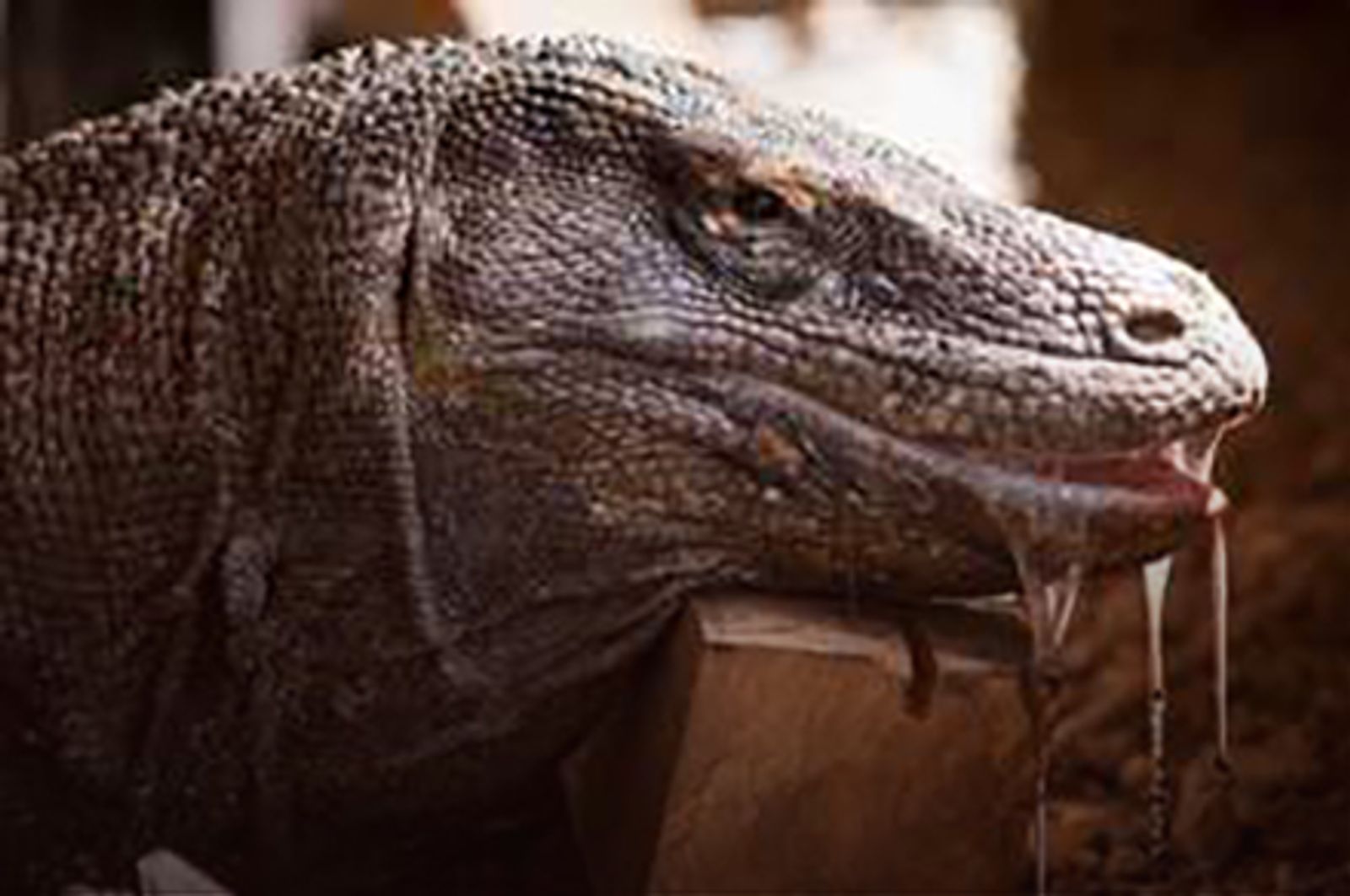
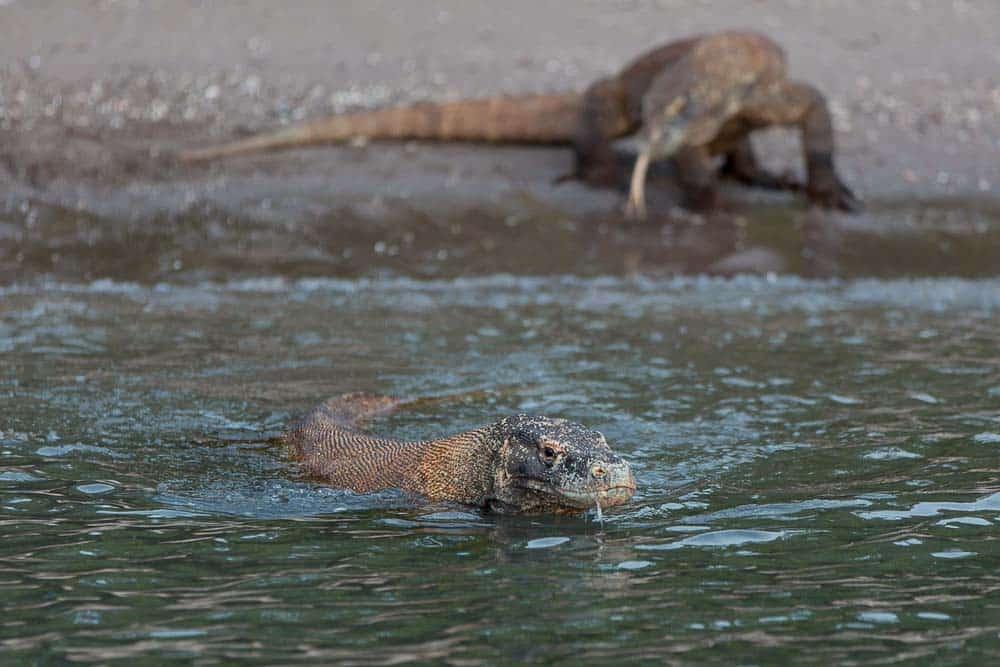
The Komodo dragon population is estimated at approximately 3,000 individuals, concentrated primarily on Komodo and Rinca islands. They are the apex predators of their ecosystem, capable of taking prey as large as water buffalo. Despite their iconic status, their survival depends on habitat protection and management of human interaction.
The Marine Dimension
While the dragons draw headlines, the park's marine environment is equally significant. Komodo sits at the convergence of the Indian and Pacific Oceans, where strong tidal currents create nutrient upwellings that support extraordinary marine biodiversity.
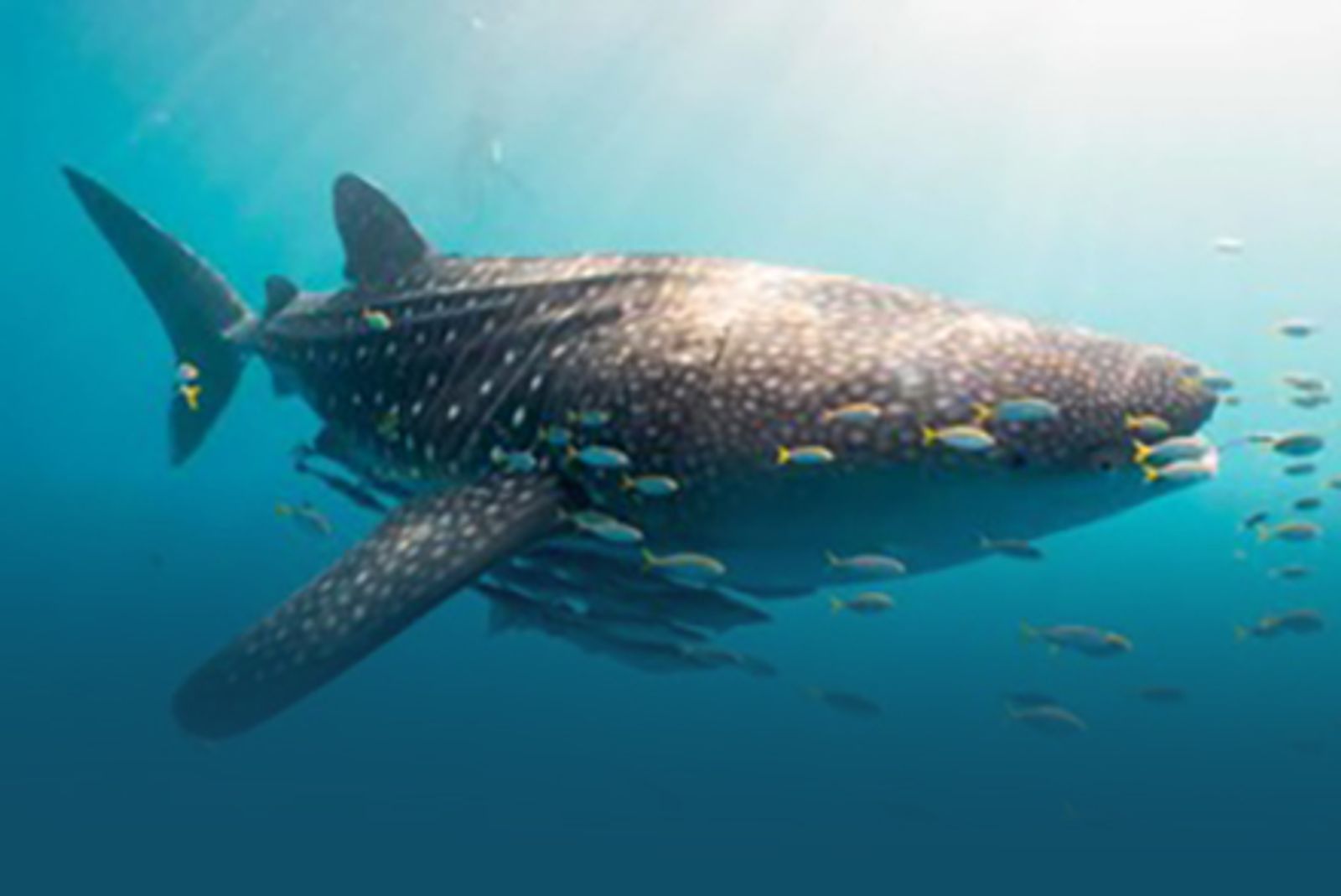
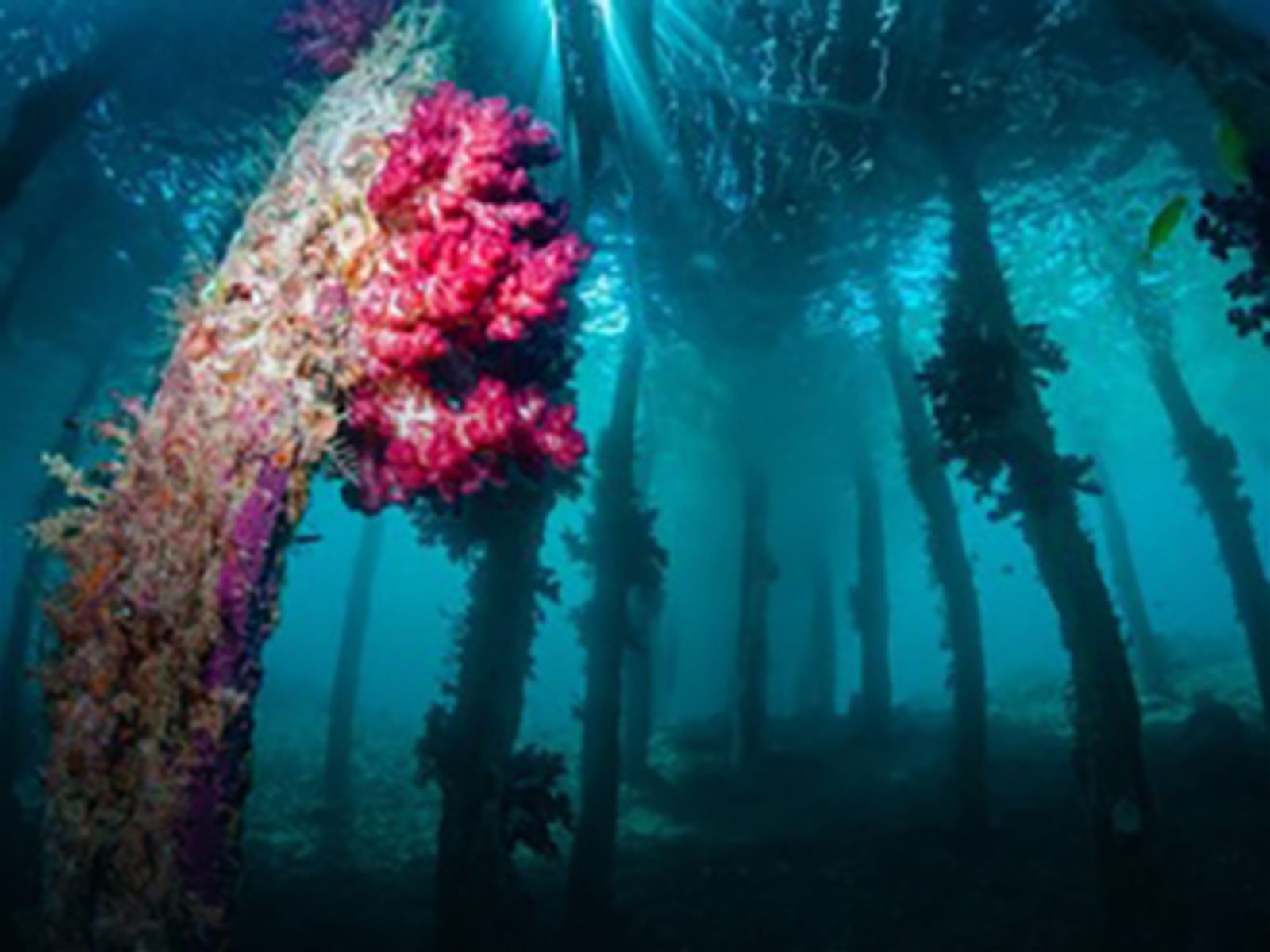
Over 1,000 fish species, 260 reef-building coral species, and a resident population of manta rays estimated at over 1,000 individuals have been documented within park waters. The drift dives at sites like Batu Bolong and Castle Rock are considered among the finest in the world.
The marine environment faces its own conservation challenges, distinct from those affecting the dragons. Illegal fishing by boats from outside the region, anchor damage to coral reefs, and the cumulative impact of dive and snorkel tourism on popular sites all require active management.
Marine patrols operate within the park, funded by a combination of government budget and park entry fees. Mooring buoys have been installed at key dive sites to prevent anchor damage. Visitor limits at the most sensitive sites are discussed periodically, though implementation has been inconsistent.
The park's strong tidal currents create feeding conditions that attract manta rays throughout the year.
The Tourism Pressure
Komodo's accessibility, a 90-minute flight from Bali, combined with its dual appeal (dragons and diving) has driven rapid growth in visitor numbers. Labuan Bajo, the gateway town, has transformed from a quiet fishing village into a bustling tourism hub in less than a decade.
This growth creates genuine tension. More visitors generate more revenue for conservation and local communities, but they also increase pressure on the park's ecosystems. High-traffic sites like Padar Island's viewpoint and Pink Beach see hundreds of visitors daily during peak season. Popular dive sites can host multiple boats simultaneously.
The Indonesian government has explored various approaches to managing this tension. In 2022, a significant increase in park entry fees for foreign visitors was announced, generating debate about whether higher fees would reduce visitor numbers while maintaining revenue, or simply price out budget travelers while having no effect on the premium market.
This is not a problem unique to Komodo. National parks worldwide struggle with the balance between access and preservation. What makes Komodo's case particularly sensitive is the fragility of both its terrestrial and marine ecosystems, and the speed at which tourism has grown.
Park Management and Fees
Komodo National Park is managed by the Indonesian Ministry of Environment and Forestry, with day-to-day operations handled by the park authority (Balai Taman Nasional Komodo). A joint management arrangement involving a state-owned enterprise has been explored in recent years, with the goal of improving infrastructure and visitor management.
Park entry fees for foreign visitors have changed multiple times in recent years. The fee structure covers entry to the park, guided walks on dragon islands, and access to marine areas. On all Indo Yachts private charters, park fees are included in your charter cost and handled by our team.
Revenue from park fees supports ranger salaries, patrol operations, infrastructure maintenance, dragon population monitoring, and marine conservation programs. The park employs trained rangers who lead all guided walks on Komodo and Rinca islands, ensuring visitor safety and minimizing disturbance to wildlife.
All dragon encounters on Komodo and Rinca islands take place with licensed park rangers. Rangers carry forked sticks for safety and guide visitors along established trails. Walking off-trail is prohibited. The guided walk system has maintained an excellent safety record while providing close-range dragon observation.
What Charter Guests Should Know
Dragon Encounters
Guided walks on Rinca are the most reliable way to see Komodo dragons in the wild. Rinca's dragon population density is nearly twice that of Komodo Island, and the terrain concentrates dragons around water sources, particularly during the dry season.
Rangers lead small groups on trails of varying length (30 minutes to 2 hours) depending on dragon activity and weather. Early morning walks tend to produce the most sightings, as dragons are more active before the midday heat.
Marine Conservation
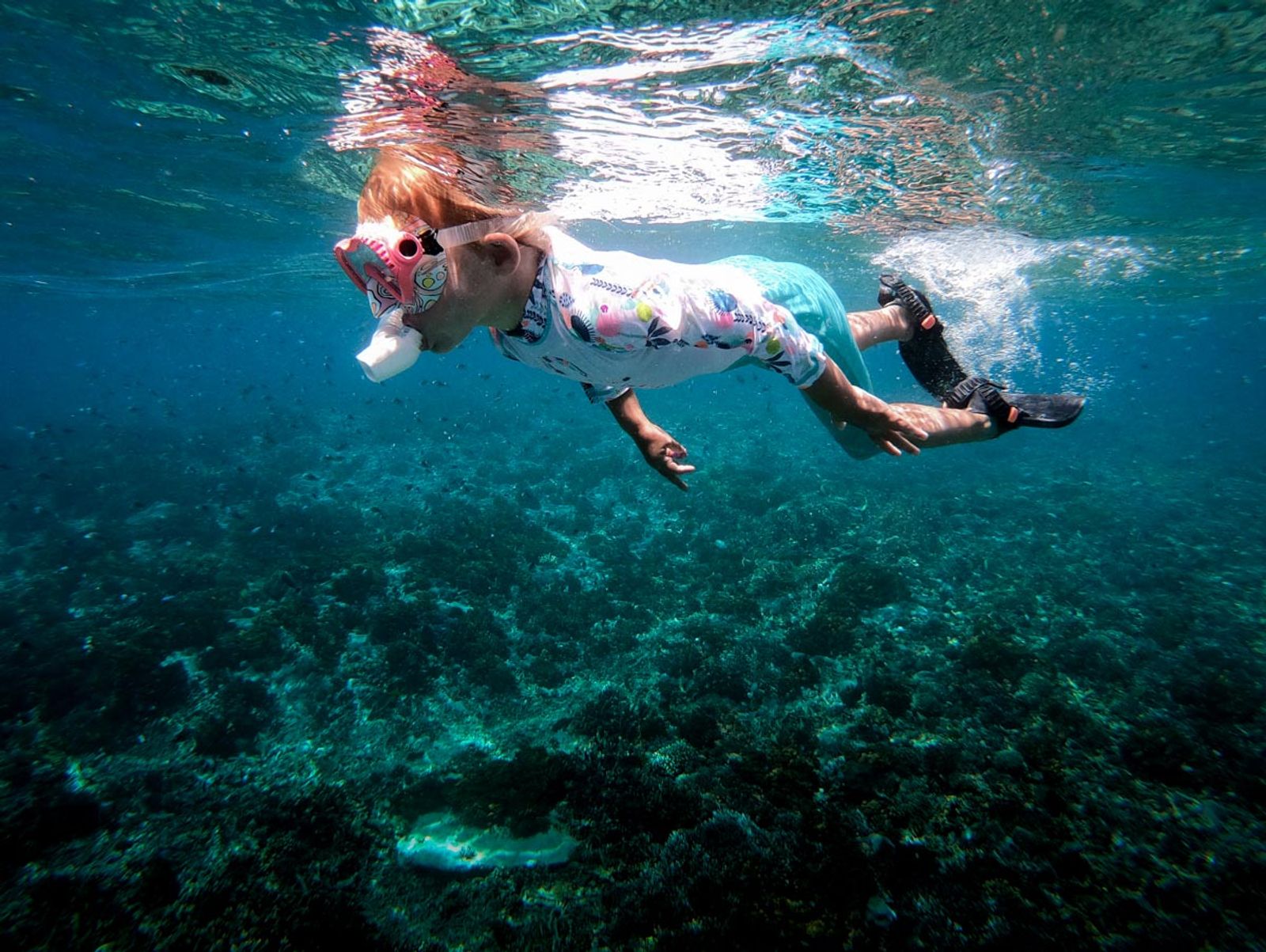
The park's no-take zones prohibit fishing and collection. Your yacht crew is required to use mooring buoys at designated sites rather than anchoring on reef. At dive and snorkel sites, maintain distance from marine life and do not touch or stand on coral.
Reef-safe sunscreen is required within the park. Your crew will remind guests before every water entry.
The Bigger Picture
Komodo is one of the most scrutinized conservation landscapes in Indonesia. The debates about fees, visitor management, and development reflect the genuine difficulty of protecting a globally significant ecosystem while supporting the economic aspirations of local communities.
As charter guests, the most important contribution is straightforward: follow the park rules, respect the rangers and their guidance, practice responsible diving and snorkeling, and understand that the fees you pay directly fund the protection of what you have come to see.
The dragons have survived for millions of years. The coral reefs have thrived for thousands. The challenge now is ensuring they continue to do so as the rest of the world discovers what these waters contain.