

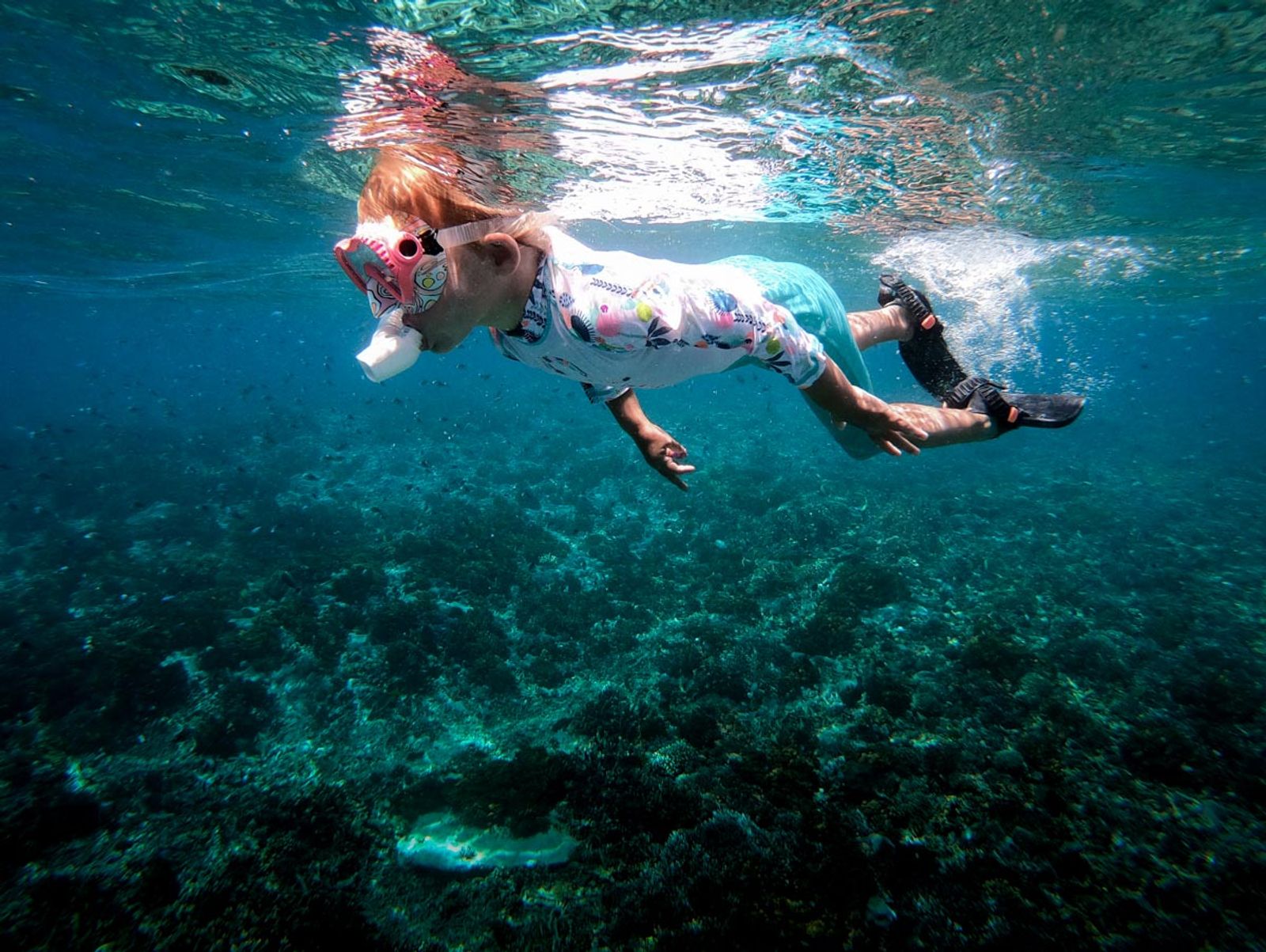
Raja Ampat's conservation model is built on a partnership between indigenous communities, government agencies, and the tourism industry. It is working, and every charter guest plays a part.
The Conservation Challenge
Raja Ampat contains the highest marine biodiversity ever recorded, but biodiversity does not protect itself. The same reefs that attract scientists and divers also sustain fishing communities that have depended on these waters for generations.
The challenge is familiar across the tropics: how to protect an ecosystem of global significance while respecting the livelihoods and rights of the people who live within it. What makes Raja Ampat unusual is that this challenge has been met with a model that appears to be working, through a combination of community governance, scientific monitoring, and tourism revenue.
This was not inevitable. In the early 2000s, before formal protections were established, some Raja Ampat reefs were being damaged by blast fishing (using homemade explosives to stun fish) and cyanide fishing (used to capture live reef fish for export). Shark finning was widespread. External fishing fleets operated in the region with little oversight. The biological richness that scientists were documenting was under real and immediate threat.
The Marine Protected Area
The Raja Ampat Marine Protected Area (MPA) network was formally established in 2007, eventually covering approximately 2 million hectares, an area larger than the state of Connecticut. The network consists of multiple zones, each with its own rules governing what activities are permitted.
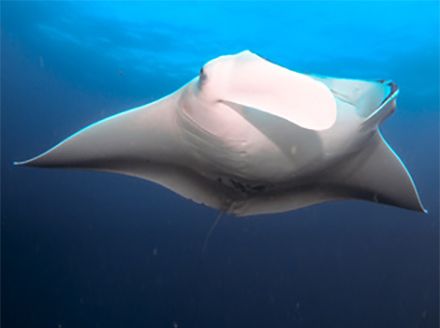
The 2 million-hectare MPA network encompasses some of the most biodiverse reef systems on Earth, managed through a combination of government regulation and community enforcement.
No-take zones where all fishing and extraction is prohibited, allowing reef ecosystems to recover and serve as source populations for surrounding areas.
Sustainable-use zones where traditional fishing methods are permitted but destructive practices (blast fishing, cyanide, shark finning) are banned.
Tourism zones where diving and snorkeling are managed to minimise impact, with limits on anchoring, touching coral, and group sizes at sensitive sites.
The zoning system was developed with input from marine scientists, local government, and the indigenous communities themselves. This collaborative approach was essential: in Raja Ampat, the sea is traditionally owned by local clans (in a system called "sasi"), and any conservation framework that ignored these customary rights would have failed.
Community-Based Management
The most distinctive feature of Raja Ampat's conservation model is the central role of local communities. Rather than a top-down enforcement system imposed by a distant government, the MPA relies on community members as its primary managers and enforcers.
Village patrol teams, funded through a combination of government support and tourism revenue, conduct regular boat patrols of no-take zones. These teams report illegal fishing, monitor reef conditions, and serve as the day-to-day guardians of the MPA.
The "sasi" system, a traditional Papuan practice of temporarily closing areas to fishing to allow stocks to recover, has been integrated into the modern management framework. This aligns the MPA's conservation goals with cultural practices that predate any Western conservation framework by centuries.
Community members also participate in scientific monitoring programs, conducting reef health surveys alongside marine biologists. This citizen science approach builds local capacity and ensures that the people who live closest to the reefs understand and can communicate their condition.
"Sasi" is a traditional resource management system practiced across eastern Indonesia. Under sasi, community leaders declare certain areas or species off-limits for a defined period, allowing natural recovery. The system has governed sustainable resource use in these waters for centuries and is now formally recognised within the Raja Ampat MPA framework. Its integration into the modern conservation structure is one reason the model has earned the trust of local communities.
How Tourism Funds Conservation
The Raja Ampat Marine Park Entry Permit, required for all visitors, generates revenue that flows directly back into conservation and community programs. The permit system, introduced in stages from 2007, has become a significant funding source for the MPA's operations.
The model creates a direct link between tourism and conservation: more charter guests means more permits, which means more patrol boats and rangers. This alignment of economic incentives with conservation outcomes is what makes the system sustainable.
On all Indo Yachts private charters, marine park entry permits are included in the charter cost. Our guests contribute to this system automatically, and we consider it one of the most tangible ways that a charter creates positive impact beyond the time spent on the water.
The Results
Two decades into the conservation effort, the evidence is encouraging.
Coral reef health surveys conducted across the MPA show stable or improving conditions in managed zones, even as reefs elsewhere in the Indo-Pacific have experienced significant bleaching and decline.
Fish biomass in no-take zones has increased measurably compared to fished areas, demonstrating the effectiveness of zone-based management. The spillover effect, where healthy populations inside no-take zones replenish fish stocks in adjacent areas, is benefiting fishing communities as well as the ecosystem.
Manta ray populations in the Dampier Strait are monitored through photo-identification databases. The population appears stable, and the cleaning stations where mantas are most frequently observed remain in good condition.
Shark populations, severely depleted by finning before the MPA was established, are showing signs of recovery in protected areas, though full recovery will take decades.
Destructive fishing practices have declined dramatically within the MPA, though isolated incidents still occur and enforcement remains an ongoing challenge in the region's vast and remote waters.
What Charter Guests Should Know
Your Contribution
Every charter in Raja Ampat contributes to conservation through the Marine Park Entry Permit. On Indo Yachts private charters, this is included in your charter cost and is handled by the crew before your first dive or snorkel.
Responsible Behaviour
- Do not touch, stand on, or collect coral or marine organisms
- Maintain a respectful distance from marine life, particularly mantas, sharks, and turtles
- Use reef-safe sunscreen (mineral-based, without oxybenzone)
- Follow your dive guide's instructions at all sites
- Do not purchase marine curios or products made from endangered species
- Dispose of all waste through the yacht's systems, never overboard
What Your Crew Does
Indo Yachts crews are trained in responsible marine practices. They use mooring buoys rather than anchoring on reef where buoys are available. They brief guests on responsible snorkelling and diving behaviour before each site. They comply with all park zoning regulations and report any observed violations to park authorities.
Conservation in Raja Ampat is not a marketing initiative. It is a functioning system built on science, community governance, and tourism revenue. Being part of it, even briefly, is one of the privileges of chartering in these waters.