

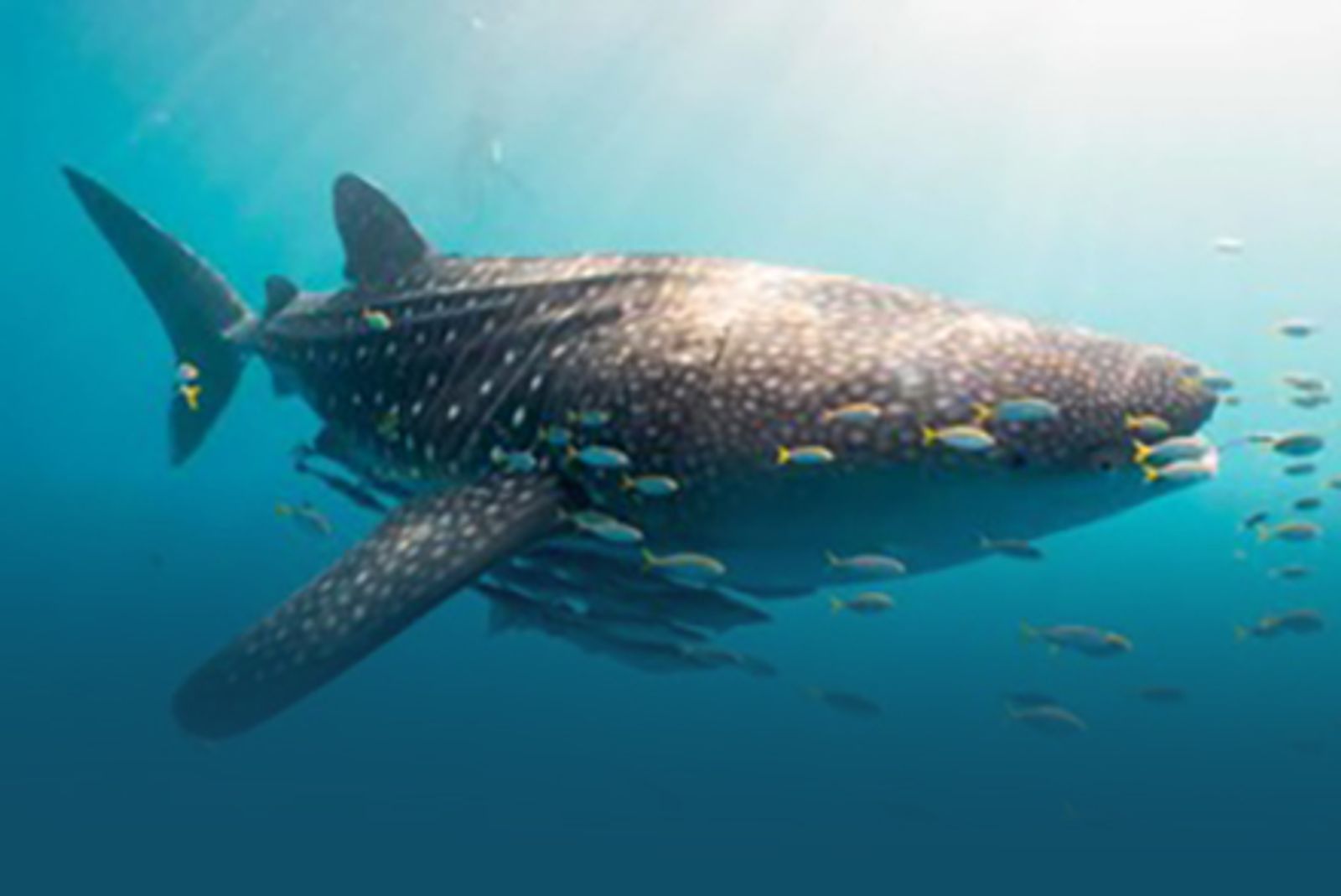
The Coral Triangle is to marine life what the Amazon is to terrestrial biodiversity: the richest, most complex ecosystem on Earth. Indonesia sits at its center. Here is why.
What the Coral Triangle Is
The Coral Triangle is a roughly triangular area of tropical ocean spanning six countries: Indonesia, the Philippines, Malaysia, Papua New Guinea, the Solomon Islands, and Timor-Leste. It covers approximately 6 million square kilometers of ocean, roughly 1.6% of the world's total ocean area.
Within this comparatively small zone lives a disproportionate share of the planet's marine biodiversity. The Coral Triangle contains more species of coral, reef fish, crustaceans, and mollusks than any other region on Earth. Marine biologists call it the "Amazon of the Seas," though in terms of species density per unit of area, it actually surpasses the Amazon.
The concept of the Coral Triangle was formalized in the scientific literature in the early 2000s, though marine biologists had recognized the region's extraordinary richness for decades. The term provided a framework for conservation planning, international cooperation, and public awareness that has since shaped marine policy across the six member nations.
The Coral Triangle Initiative on Coral Reefs, Fisheries and Food Security (CTI-CFF) is a multilateral partnership between Indonesia, Malaysia, the Philippines, Papua New Guinea, the Solomon Islands, and Timor-Leste. Formally established in 2009, it represents the first regional intergovernmental body dedicated specifically to coral reef management. Indonesia contributes the largest share of the Triangle's total reef area.
Why Indonesia Is the Epicenter
Indonesia does not merely sit within the Coral Triangle. It occupies its core. The archipelago straddles the zone where the Pacific and Indian Oceans meet, where warm tropical waters mix with cooler, nutrient-rich upwellings, and where geological history has created the conditions for an explosion of speciation unmatched anywhere else.
Ocean Currents
The Indonesian Throughflow, a massive movement of water from the Pacific to the Indian Ocean through the channels between Indonesia's islands, is one of the most significant ocean current systems on Earth. It transports warm water westward, creates upwellings where currents meet shallow reefs, and distributes larvae and nutrients across the archipelago.
This current system ensures that Indonesia's reefs are constantly bathed in nutrient-rich water, supporting the dense coral growth and fish populations that define the region. The same currents create the drift diving conditions that make sites like Komodo's Batu Bolong and Raja Ampat's Blue Magic so productive.
Geological History
Indonesia's position at the junction of four tectonic plates (the Eurasian, Pacific, Philippine Sea, and Australian plates) has produced a complex mosaic of deep trenches, shallow shelves, volcanic island arcs, and isolated atolls. This geological diversity creates a vast range of marine habitats within a compact area.
During ice ages, when sea levels dropped, islands merged and marine populations were isolated in separate basins. When seas rose again, previously separated populations reconnected, bringing together species that had evolved independently. This cycle of isolation and reconnection, repeated over millions of years, is believed to be a primary driver of the extraordinary speciation observed in the Coral Triangle.
Island Complexity
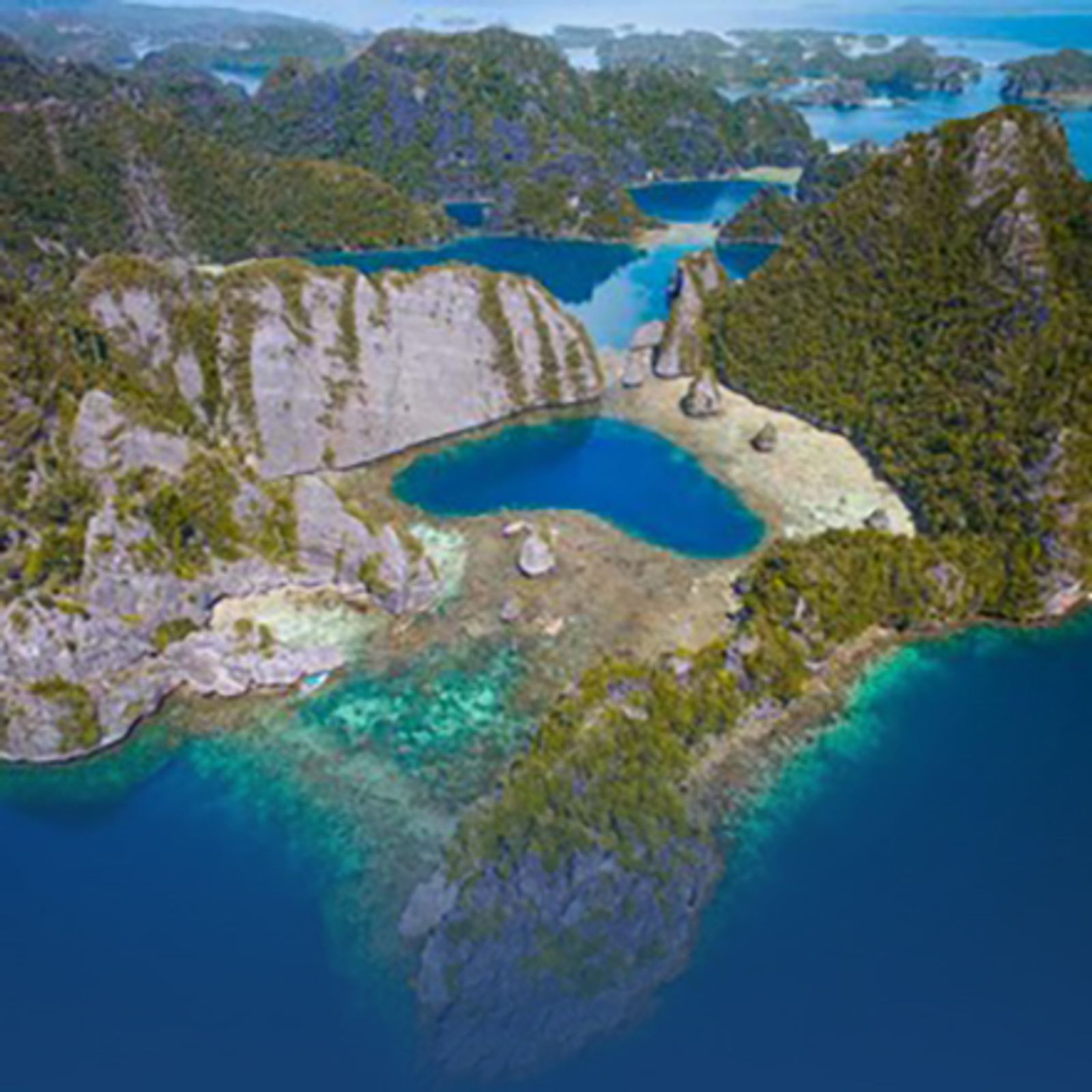
Indonesia's 17,000+ islands create an enormous length of coastline and an extraordinary diversity of marine habitats: mangrove forests, seagrass beds, fringing reefs, barrier reefs, atolls, deep walls, seamounts, volcanic vents, and open ocean. Each habitat type supports its own community of species, and the close proximity of different habitats allows species to move between them, supporting complex ecological relationships.
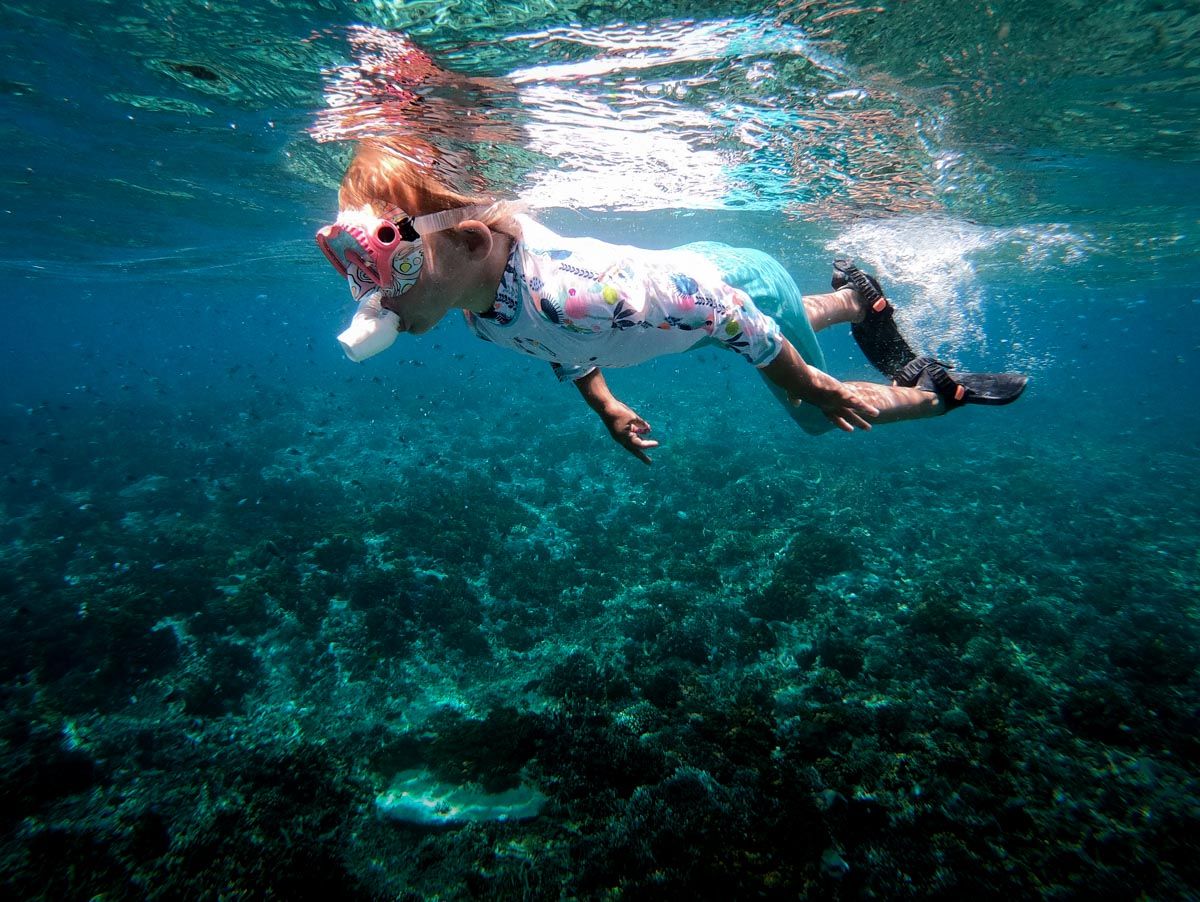
The convergence of tectonic forces, ocean currents, and island geography makes Indonesia's reefs the most species-rich on Earth.
The Numbers
To put the Coral Triangle's biodiversity in concrete terms, the figures speak for themselves. The entire Caribbean Sea, covering a much larger area, contains approximately 500 reef fish species. Raja Ampat alone contains more than three times that number.
Why It Matters
The Coral Triangle matters far beyond its borders. Coral reefs globally provide ecosystem services valued at hundreds of billions of dollars annually: coastal protection, fisheries, tourism revenue, and pharmaceutical compounds. The Coral Triangle's reefs are the source population for marine larvae that disperse across the Pacific and Indian Oceans, seeding reefs thousands of kilometers away.
For the 120 million people who live within the Coral Triangle and depend directly on marine resources for food and income, the health of these ecosystems is not abstract. It is existential.
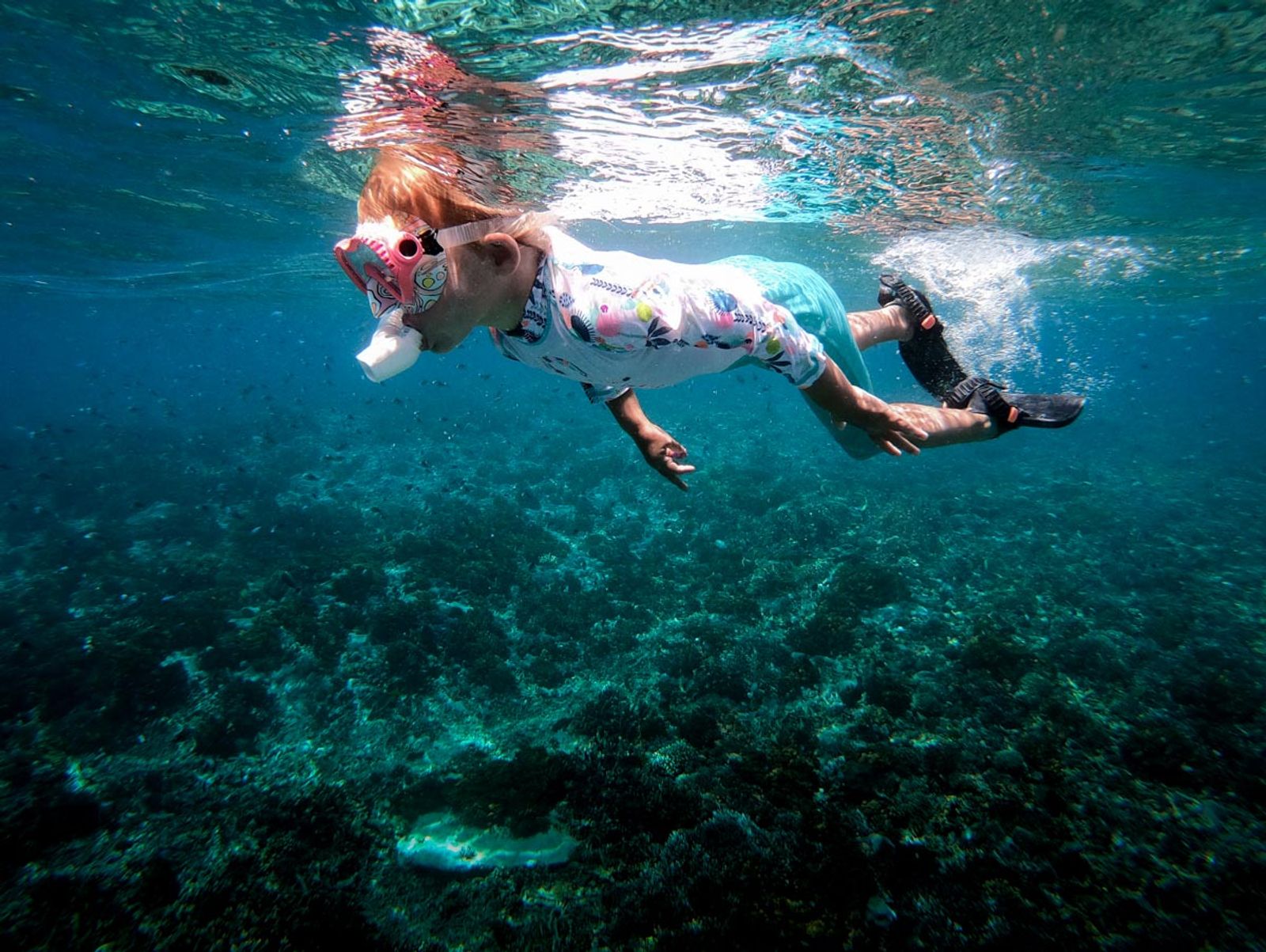
For divers and ocean enthusiasts, the Coral Triangle is the reference point against which all other marine environments are measured. If you want to see what a healthy reef looks like at its most complex and abundant, this is where you go. If you want to understand what the ocean is capable of producing when conditions are right, this is where the answer lives.
The Threats
The Coral Triangle faces the same pressures as marine environments worldwide, along with some additional local factors.
Climate change. Rising water temperatures cause coral bleaching events with increasing frequency. The 2016 global bleaching event affected reefs across the Coral Triangle, though Indonesian reefs generally showed higher resilience than reefs in the Pacific and Caribbean, likely due to the genetic diversity of the coral populations.
Overfishing. Destructive fishing practices, including blast fishing (using explosives) and cyanide fishing, have degraded reefs in some areas. These practices are illegal but enforcement is uneven, particularly in remote regions.
Coastal development. Population growth and coastal construction in some areas has led to sedimentation, nutrient runoff, and habitat destruction.
Plastic pollution. Marine plastic debris is a visible and growing problem, though its long-term ecological impact on coral reef health is still being studied.
The conservation response has been significant. Marine protected areas cover an increasing percentage of the Coral Triangle. Community-based management programs, particularly in Raja Ampat, have demonstrated that local stewardship can produce measurable conservation outcomes. Tourism revenue, including charter fees and marine park permits, funds patrol boats, ranger salaries, and community development programs.
Indonesian reefs weathered the 2016 mass bleaching event better than reefs elsewhere in the Indo-Pacific. Scientists attribute this partly to the extraordinary genetic diversity of coral populations in the Coral Triangle's core: with hundreds of coral species adapted to a wide range of conditions, there is simply more genetic material available to respond to environmental stress. This resilience is not unlimited, but it is one reason why protecting the Coral Triangle's genetic diversity is a global conservation priority.
Seeing It Firsthand
A yacht charter in Indonesia is one of the most direct ways to see the Coral Triangle at its best. The reefs of Raja Ampat, the convergence zone of Komodo, the walls of Bunaken, and the pristine reserves of Wakatobi are all expressions of the same underlying phenomenon: the most biodiverse marine region on Earth, accessible by boat.
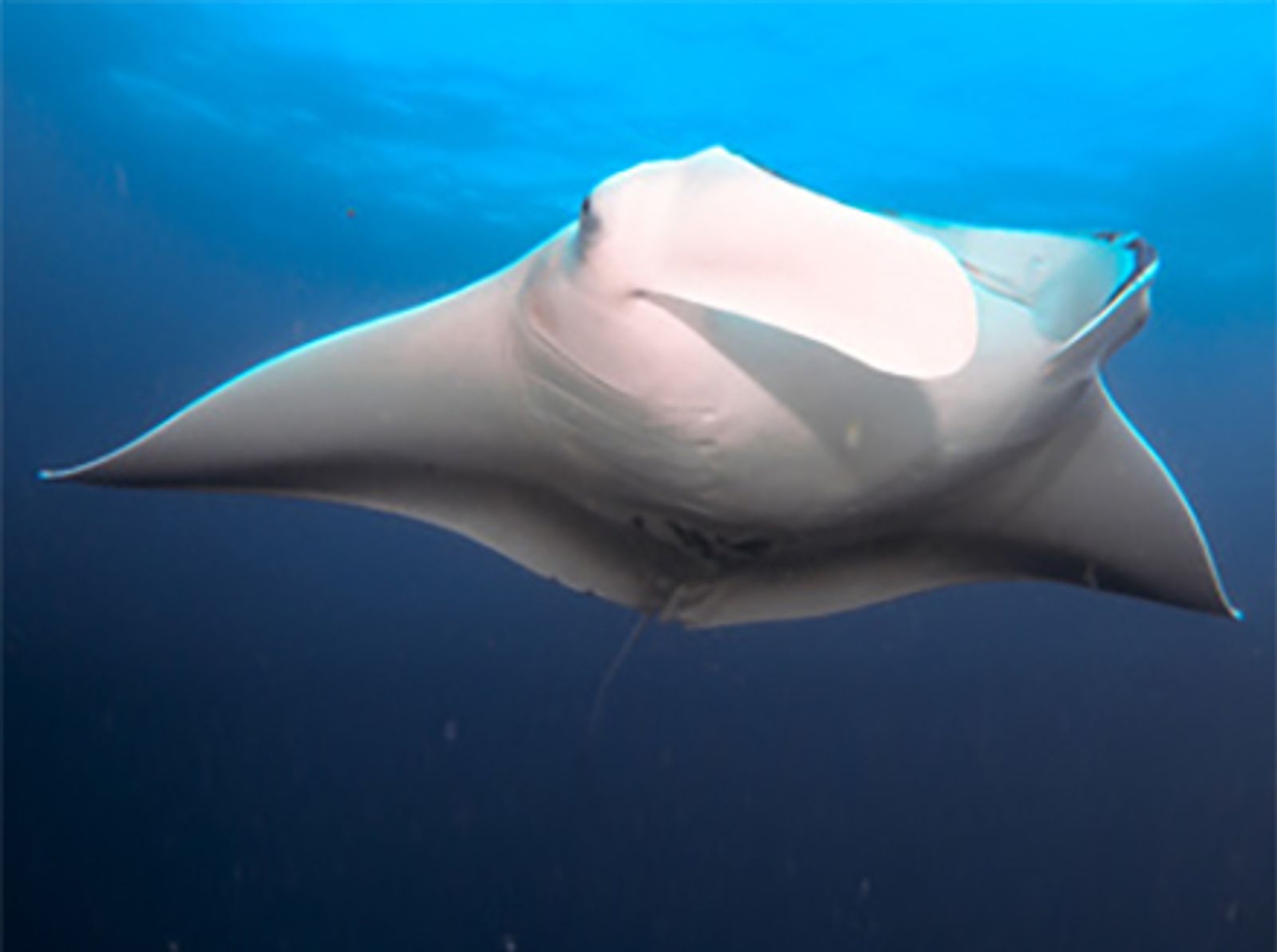
Understanding the science behind what you see underwater adds a dimension to the experience. That reef teeming with 200 fish species exists because of tectonic forces, ocean currents, and millions of years of evolutionary history converging in precisely this spot. The manta ray at the cleaning station arrived on a current that flows from the Pacific through channels carved by continental collisions. The pygmy seahorse clinging to a sea fan evolved in these waters and exists nowhere else.
The Coral Triangle is not just a place. It is the planet's richest marine laboratory, and Indonesia is its epicenter.