

In 2014, Indonesia declared the world's largest manta ray sanctuary, covering its entire 6 million square kilometer Exclusive Economic Zone. Here is how that happened, what it means, and how responsible charter tourism contributes.
Why Mantas Matter
Manta rays are among the most intelligent and charismatic animals in the ocean. With brain-to-body ratios comparable to marine mammals, they demonstrate curiosity, individual recognition, and complex social behavior. Divers and snorkelers who encounter mantas consistently describe it as one of the most profound wildlife interactions of their lives.
Two species are found in Indonesian waters: the reef manta ray (Mobula alfredi), which tends to stay in coastal waters near cleaning stations and feeding grounds, and the giant oceanic manta ray (Mobula birostris), which can reach wingspans exceeding 7 meters and ranges across open ocean.
Indonesia hosts some of the largest known aggregations of both species. The cleaning stations of Komodo's Makassar Reef and Raja Ampat's Manta Sandy are among the most reliable manta encounter sites in the world. These aggregation points are not just tourist attractions; they are critical habitat for the species' health, reproduction, and survival.
Mantas are slow to reproduce. Females give birth to a single pup after a gestation period of approximately 12 to 13 months, and may not reproduce again for several years. This low reproductive rate means that populations are slow to recover from decline, making protection essential.
The Threat
Before formal protection, mantas in Indonesian waters faced a serious and growing threat: targeted fishing for the gill raker trade. Manta gill rakers, the filter-feeding structures inside the manta's mouth, were in demand in traditional Chinese medicine markets, where they were sold as a health tonic despite no scientific evidence of medicinal value.
A single manta's gill rakers could sell for hundreds of dollars, creating a financial incentive for targeted fishing. Because mantas aggregate at predictable locations (cleaning stations, feeding grounds), they were relatively easy to target. Indonesia, with its enormous manta populations and extensive fishing fleets, was one of the largest sources of manta products globally.
The scale of the fishery was difficult to quantify precisely, but estimates suggested that thousands of mantas were being killed annually across the Indonesian archipelago. Given the species' low reproductive rate, this level of harvest was unsustainable. Population declines were being observed at some monitoring sites.
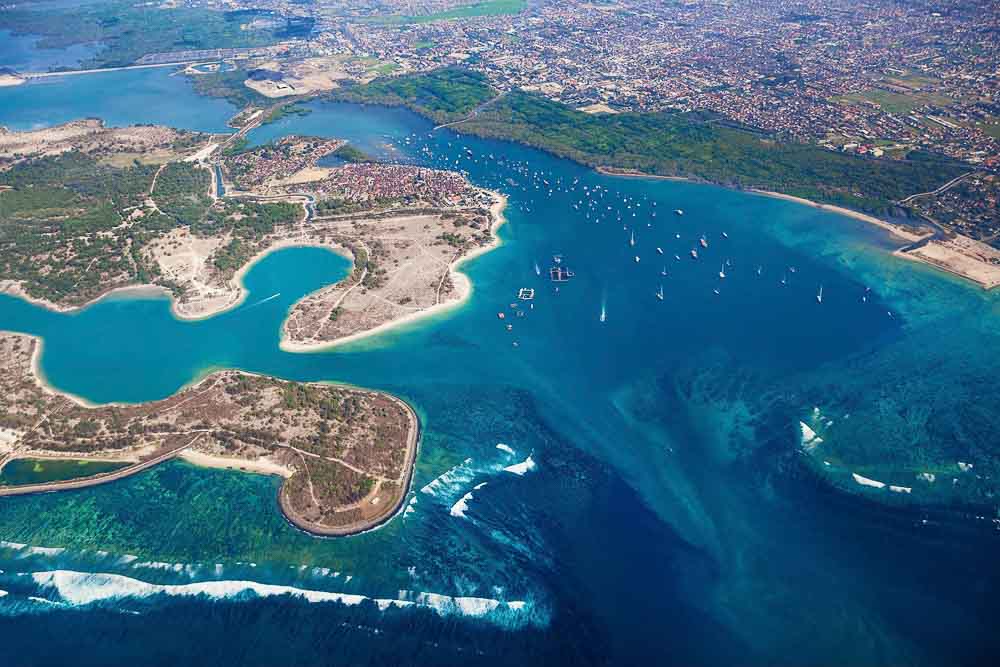
Mantas gather at cleaning stations throughout the year. Predictable aggregation sites made the species vulnerable before legal protection was established.
Indonesia's Manta Sanctuary
On February 21, 2014, the Indonesian Ministry of Marine Affairs and Fisheries declared all Indonesian waters a manta ray sanctuary, making it illegal to catch, injure, or trade manta rays (both species) anywhere within Indonesia's Exclusive Economic Zone.
The sanctuary covers approximately 6 million square kilometers of ocean, making it by far the largest manta ray sanctuary in the world. The regulation (Ministerial Decree No. 4/2014) prohibits targeted catch, bycatch retention, trade in manta products, and transit of manta products through Indonesian waters.
The decision was driven by a combination of scientific data, conservation advocacy, and an economic argument: a single manta ray, through dive tourism over its lifetime, generates an estimated $1 million in tourism revenue. The same animal, killed for its gill rakers, was worth a few hundred dollars. The economics of protection were overwhelming.
Mantas in Komodo and Raja Ampat
Komodo
Komodo National Park hosts a resident population of reef manta rays estimated at over 1,000 individuals. The primary aggregation site is Makassar Reef (also known as Manta Point), where mantas visit cleaning stations throughout the year, with activity peaking during the dry season (April through September).
Individual mantas are identified by their unique belly markings, photographed by researchers and dive guides. This photo-identification database allows population monitoring without physical tagging. The Komodo population appears to be stable, though long-term monitoring is essential given the species' slow reproduction.
A second significant aggregation site, Manta Alley on the southern side of Komodo, provides encounters in slightly different conditions, with stronger currents attracting mantas during specific tidal phases.
Raja Ampat
Raja Ampat's manta population is concentrated in the Dampier Strait, with Manta Sandy and Blue Magic as the primary observation sites. Both reef mantas and occasional oceanic mantas are recorded. Peak activity coincides with the October through April season, with December through February offering the most consistent encounters.
Research programs in both Komodo and Raja Ampat contribute to a national database of manta ray identification and population monitoring. This data informs management decisions and provides an ongoing assessment of the sanctuary's effectiveness.
Responsible Interaction
The manta sanctuary protects mantas from fishing, but interactions with tourism also require management. Poorly conducted encounters can disturb natural behavior, particularly at cleaning stations where mantas are vulnerable.
Guidelines for Divers and Snorkelers
- Maintain a minimum distance of 3 meters from any manta ray
- Never chase, touch, or attempt to ride a manta
- Do not block a manta's path, particularly at cleaning station entry and exit points
- Avoid excessive fin kicking that creates bubbles near the animals
- Flash photography is discouraged; use natural light or continuous lighting
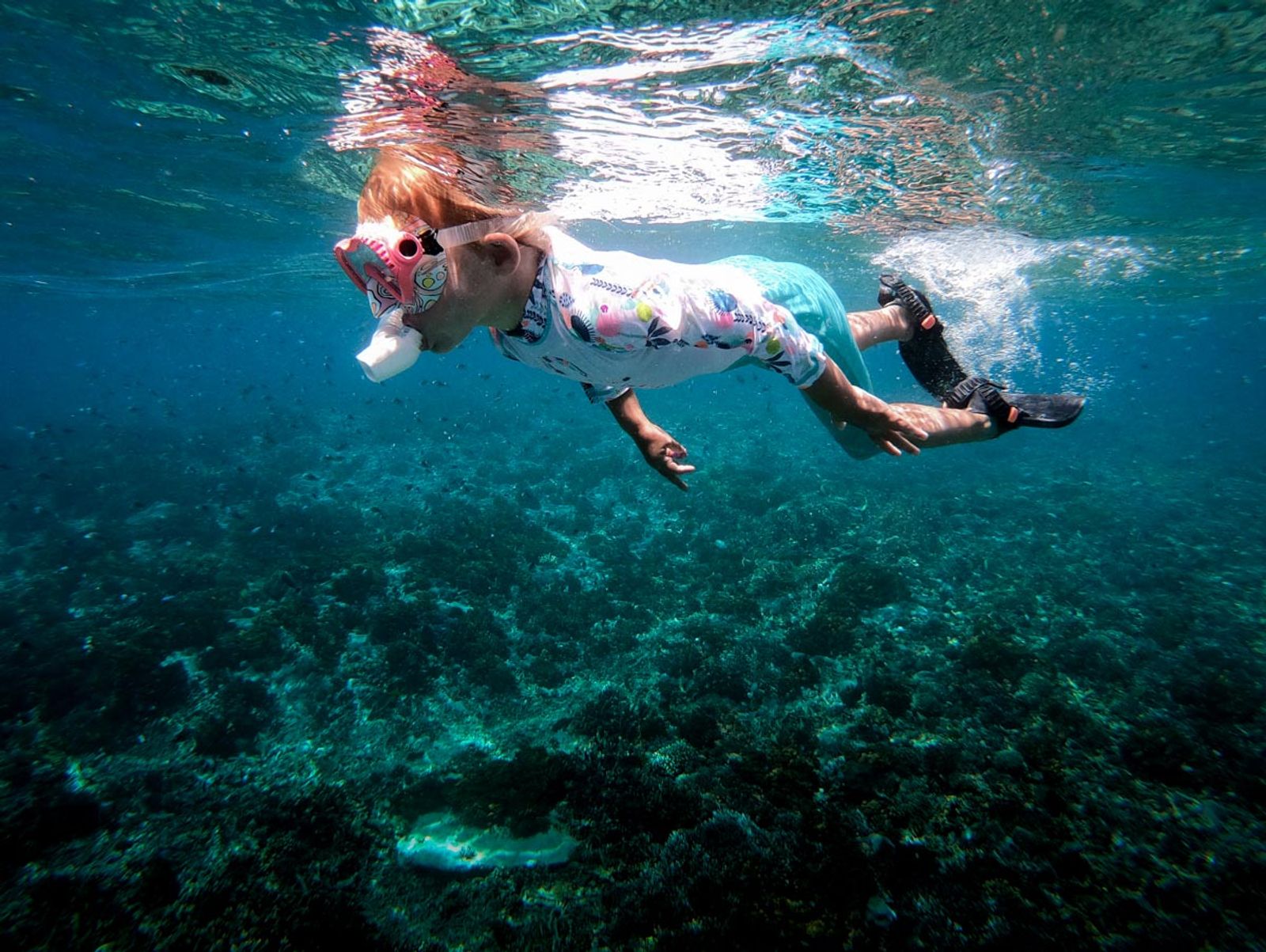
- If a manta approaches you, remain still and let the animal set the terms of the encounter
- Limit group sizes at cleaning stations to reduce cumulative disturbance
How Your Crew Manages Encounters
Indo Yachts dive guides and crews are trained in responsible manta interaction protocols. They brief guests before every manta encounter, manage group positioning to minimize disturbance, and will end an encounter if the animals show signs of stress (repeated abrupt direction changes, accelerated departure from the cleaning station).
The best manta encounters are always the quietest. A calm, still diver or snorkeler floating at an appropriate distance will often be rewarded with mantas approaching out of curiosity. An aggressive, fast-moving group will see mantas departing. Patience and stillness produce the most memorable interactions.
How Charters Help
Yacht charter tourism in Komodo and Raja Ampat generates direct conservation benefits for manta rays through several channels.
The sanctuary's economic argument, that a living manta is worth vastly more than a dead one, is sustained by ongoing tourism revenue. Every charter that includes a manta encounter reinforces the case for continued protection.
Dive guides on charter yachts routinely photograph manta belly patterns and contribute to identification databases. This citizen science data supplements formal research programs and expands the monitoring coverage.
Charter yachts, operating with professional crews and trained dive guides, generally produce better-managed encounters than day-trip boats from shore. The smaller group sizes, briefed guests, and professional dive leadership result in lower per-visit impact on the animals.
Marine park fees from charter guests fund the patrol boats and rangers that enforce the manta sanctuary at the local level. Without enforcement, legal protection is only words on paper.
Swimming alongside manta rays is one of the defining moments of a charter in Indonesia. Understanding that the animal gliding above you is protected by one of the most significant marine conservation measures in the world, and that your presence contributes to that protection, adds a layer of meaning to what is already an unforgettable encounter.