

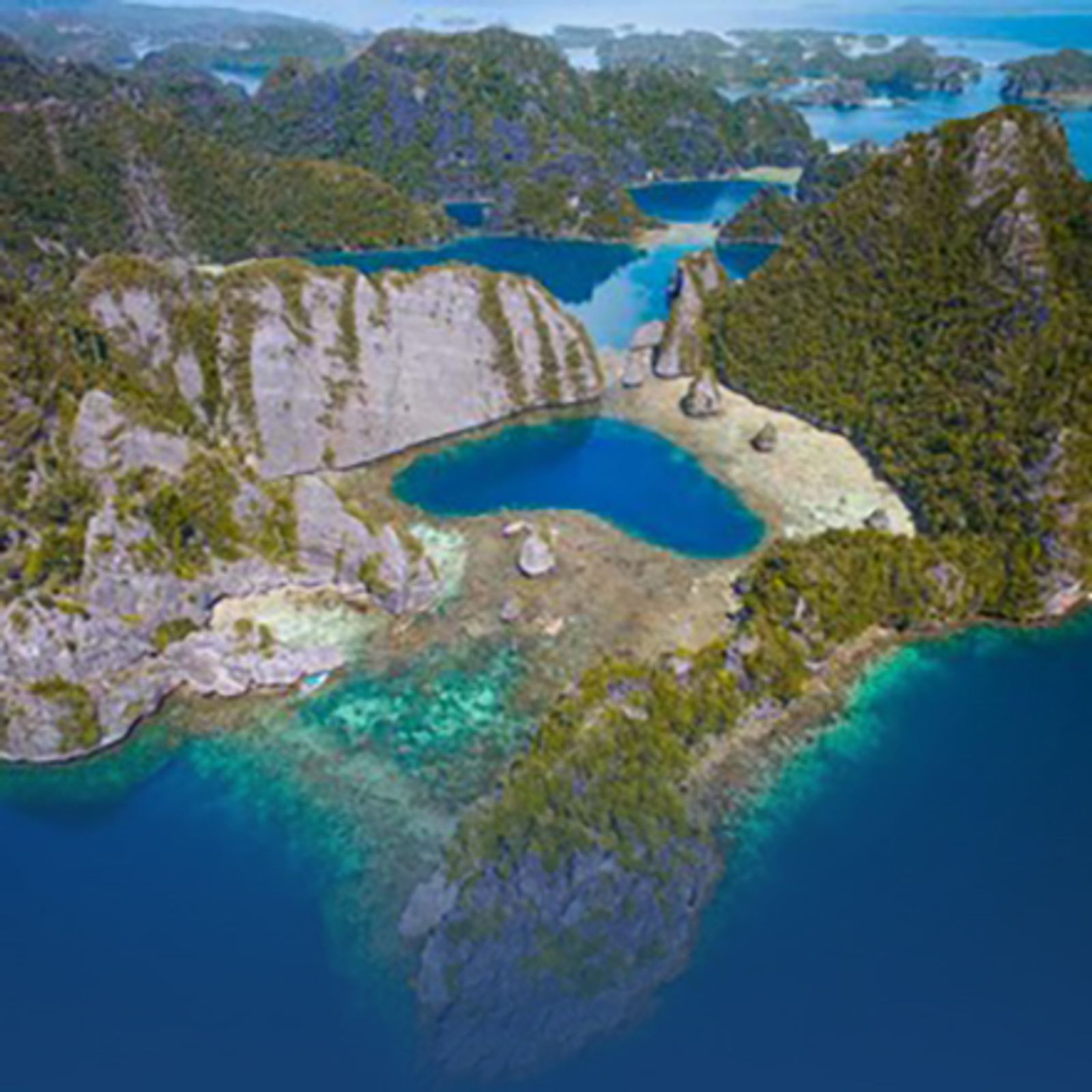
How Indonesia evolved from a land of traditional pearl divers into the world's greatest scuba diving destination, and the role yacht charters played in opening its most remote waters.
The Pearl Divers
Long before compressed air and regulators, Indonesians were underwater. Traditional pearl divers, known as "penyelam" in Malay, free-dived to depths of 20 meters or more in the waters around Aru, the Banda Islands, and the coastlines of Sulawesi and Kalimantan. Using only their lungs, weighted stone belts, and hand-carved wooden goggles, they harvested pearls, shells, and sea cucumbers for trade networks that extended to China and the Middle East.
The Bajau Laut, or "Sea Nomads" of eastern Indonesia, developed perhaps the most remarkable diving capabilities of any people on Earth. Living entirely on boats and stilt houses over the water, the Bajau traditionally spent hours each day submerged, hunting fish and collecting sea products. Research has shown that Bajau people developed physiological adaptations for diving, including enlarged spleens that store oxygenated blood, an evolutionary response to centuries of a semi-aquatic lifestyle.
The Bajau Laut are sometimes called the "Sea Nomads" of Southeast Asia. Historically stateless and ocean-dwelling, their communities span the waters between the southern Philippines, Malaysia, and eastern Indonesia. Their relationship with the sea is not recreational or commercial in the modern sense; it is existential. The ocean is home, larder, and culture.
Scientific studies, including research published in the journal Cell in 2018, found that the Bajau carry a genetic variant that enlarges the spleen, increasing oxygen storage capacity during dives. This is among the clearest examples of natural selection shaping a human population in recorded history.
These traditions, largely undocumented by outside observers until the 20th century, represent thousands of years of intimate knowledge of Indonesia's underwater world, long before any Western diver put a mask in these waters.
Early Scuba in Indonesia
Modern scuba diving arrived in Indonesia through military and scientific channels in the mid-20th century. Indonesian naval divers trained with compressed air equipment from the 1950s, and marine researchers began systematic underwater surveys of Indonesian reefs in the 1970s and 1980s.
Recreational diving followed slowly. Bali's first dive shops appeared in the early 1980s, catering to the growing tourist population. Manado, the capital of North Sulawesi, developed as a dive destination around the same time, anchored by the spectacular wall diving of Bunaken National Marine Park, which was formally established in 1991.
Access was the fundamental challenge. Indonesia's most extraordinary underwater environments, the reefs of Raja Ampat, the drift dives of Komodo, the deep walls of the Banda Sea, were impossibly remote for sport divers based on shore. There were no resorts, no dive centers, no infrastructure of any kind in these regions. The reefs that scientists were beginning to document as globally significant remained practically inaccessible.
The Dive Tourism Boom
The late 1990s and 2000s brought a convergence of factors that transformed Indonesian diving from a niche pursuit into a global industry.
Scientific recognition
Conservation International's surveys of the Bird's Head Peninsula, beginning in the late 1990s, produced biodiversity data that stunned the marine science community. Raja Ampat's reef fish counts exceeded anything previously documented. These findings, published in peer-reviewed journals and amplified by National Geographic, put Indonesia on the map for serious divers worldwide.
Liveaboard development
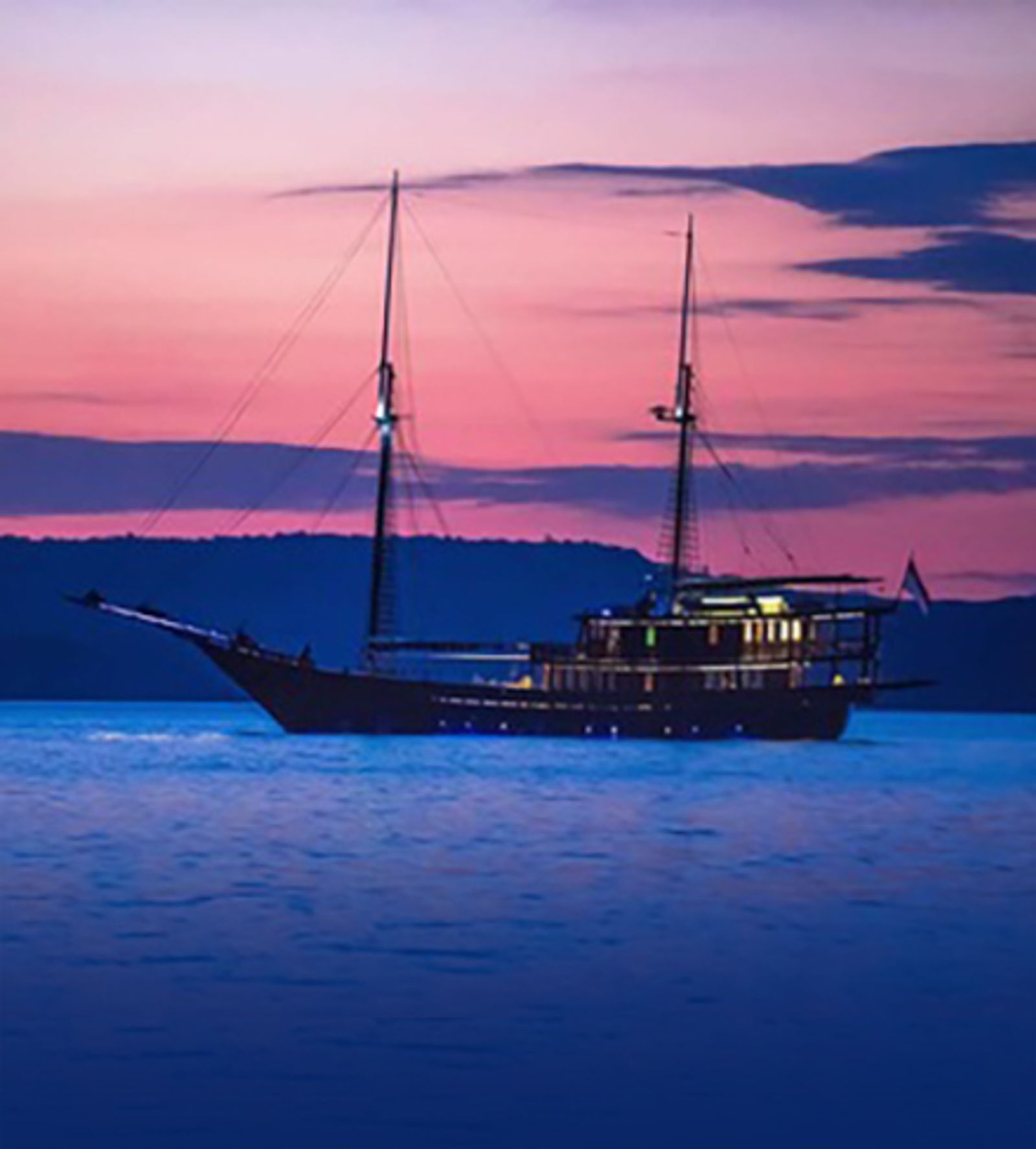
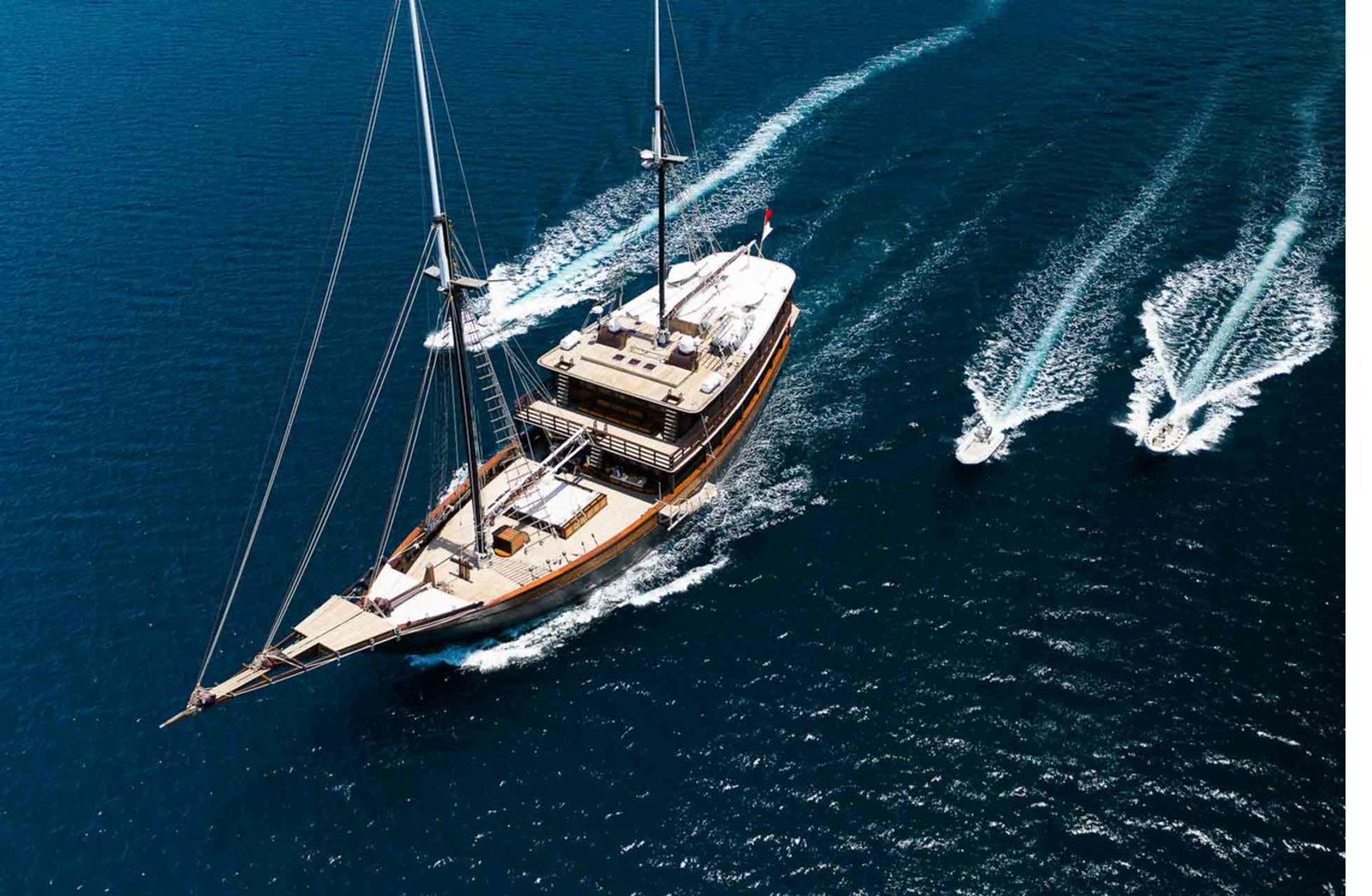
The first dedicated dive liveaboards in Indonesian waters launched in the late 1990s and early 2000s. These vessels, many of them converted phinisis, could reach sites that shore-based operations could not. They proved the concept: guests would pay premium rates for multi-day access to remote dive sites, and the difference in what was possible underwater was transformational.
Digital photography and media
Underwater photographers returning from Indonesia produced images of a quality and diversity that had no equivalent from other destinations. These images, shared first in dive magazines and then across online forums and social media, created a global awareness of what Indonesian waters contained.
Komodo's underwater reputation
Komodo National Park, established in 1980 to protect the Komodo dragon, gained a parallel reputation for diving. The park's convergence of warm and cold currents created conditions for manta ray aggregations, pelagic encounters, and drift dives that attracted experienced divers from around the world. The combination of dragons above water and mantas below gave Komodo an appeal that no purely underwater destination could match.
Komodo National Park was designated a UNESCO World Heritage Site in 1991. Its marine area covers roughly 1,214 square kilometers and encompasses some of the most productive waters in the Indonesian archipelago. The park sits at the junction of the Flores Sea to the north and the Savu Sea to the south, a meeting of water masses that drives nutrient upwelling and supports the extraordinary density of marine life the park is known for.
The Yacht Charter Connection
The growth of Indonesian dive tourism and the growth of the yacht charter industry are inseparable. The destinations that made Indonesia famous as a dive destination, Raja Ampat, Komodo, the Banda Sea, Cenderawasih Bay, are all accessed primarily or exclusively by boat.
Shore-based dive resorts exist in a few locations (Wakatobi, Bunaken, parts of Komodo), but the majority of Indonesia's premier dive sites have no land-based infrastructure within reach. A yacht, whether a dedicated dive liveaboard or a luxury charter with dive equipment on board, is the only practical way to reach them.
This created a natural symbiosis. Dive tourism drove demand for vessels. Vessel owners invested in dive equipment, hired dive professionals, and designed itineraries around underwater highlights. The best dive sites drove the best charter routes, which drove fleet growth, which funded further exploration of undiscovered sites.
Today, diving is the single largest driver of yacht charter bookings in Indonesia. It is the reason most first-time guests inquire, and it remains the activity that generates the most repeat bookings. The underwater world is what makes Indonesia's charter industry unlike any other.
Indonesia Today
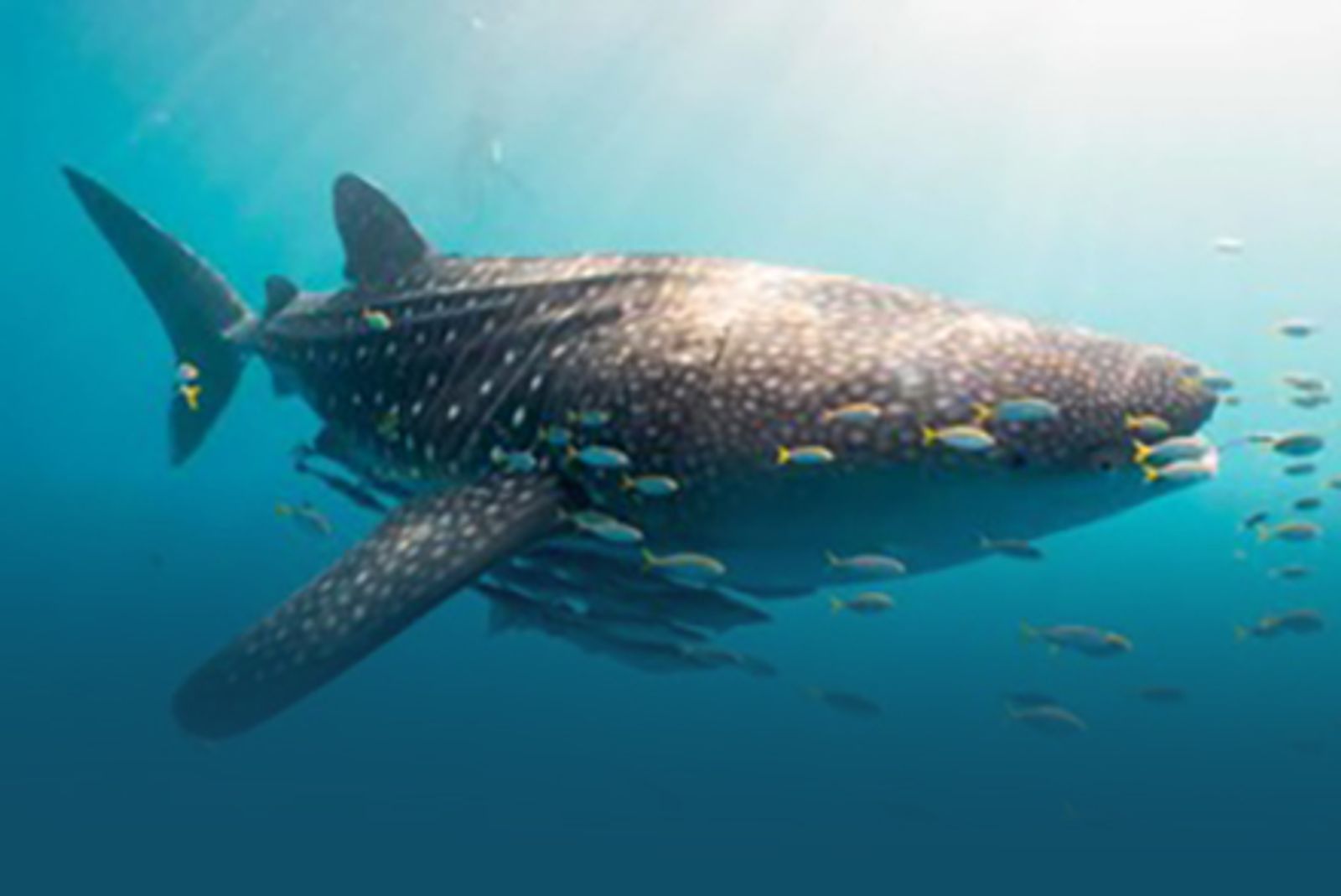
Indonesia is now widely regarded as the world's premier diving destination. The numbers support this: more coral species, more fish species, more diverse marine habitats, and more world-class dive sites than any other country.
But the story is still being written. New dive sites are discovered every season. Expeditionary charters to the Banda Sea, Cenderawasih Bay, and the Forgotten Islands are revealing reefs that have never been dived by recreational divers. Marine surveys continue to document new species. The frontiers are not exhausted; they are expanding.
For divers who charter in Indonesia today, the sensation carries an echo of those early pearl divers: entering water that holds more than you can take in, in a place where the relationship between people and the sea stretches back further than memory.