

Best Snorkeling Destinations
Indonesia's richest reefs start at the surface
You do not need to be a diver to see extraordinary marine life in Indonesia. Much of the country's finest underwater life sits within a few meters of the surface. Here are the best snorkeling destinations and what to expect at each.
Why Indonesia for Snorkeling
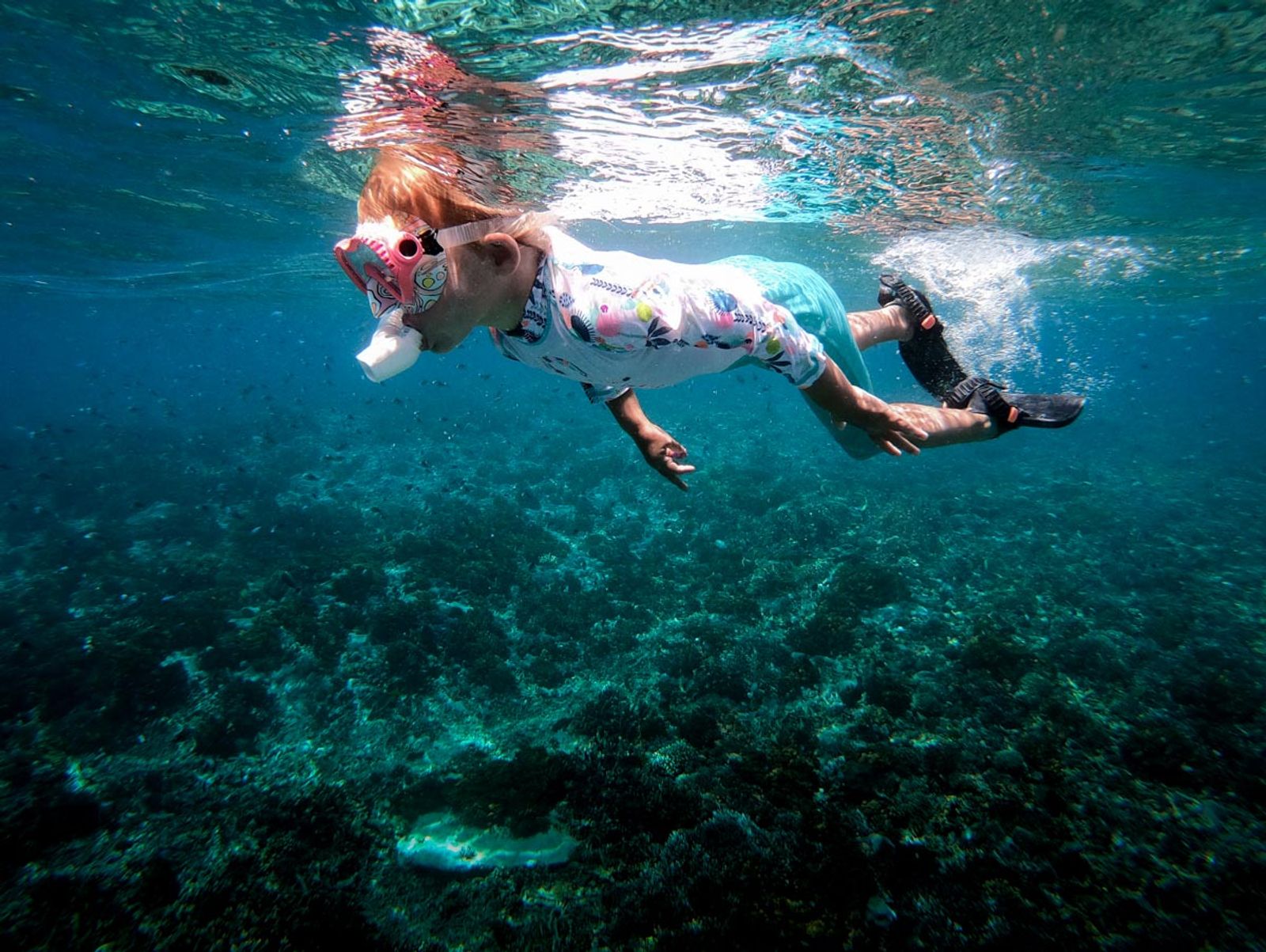
Indonesia's position at the heart of the Coral Triangle means that its shallow reefs are among the healthiest and most biodiverse in the world. Unlike many tropical destinations where you need to descend 15 or 20 meters to see quality reef, Indonesia's best sites start at the surface. Hard and soft corals grow to within a meter of the waterline. Fish life is dense from 0 to 5 meters. Visibility regularly exceeds 20 meters.
For non-divers, this is decisive. You are not watching from above while divers have the real experience below. In Indonesia, what you see with a mask and snorkel at the surface is often as rich as what divers see at depth, and sometimes more so, because shallow water receives more light and supports denser coral growth.
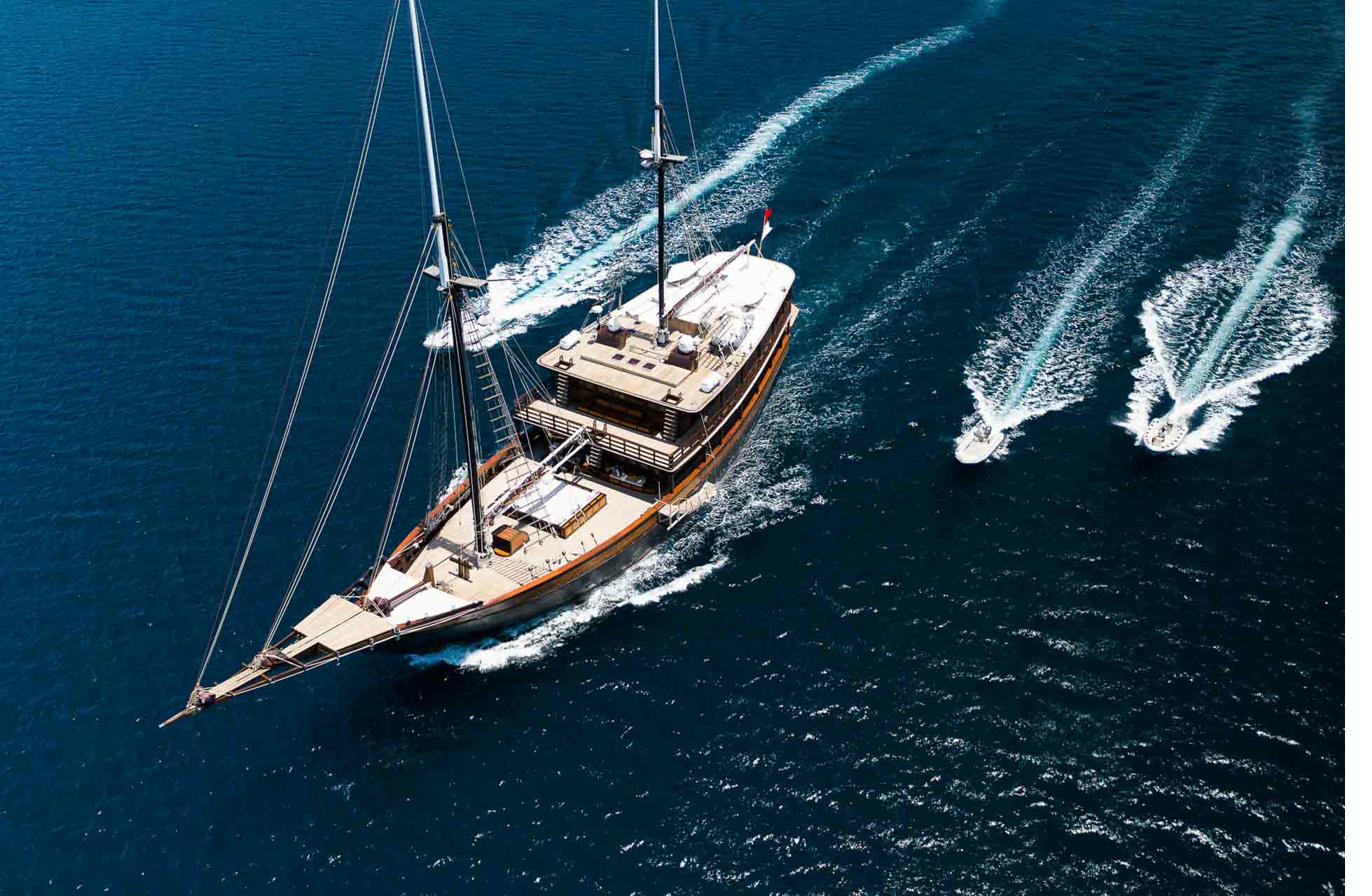
On a yacht charter, snorkeling is woven into every day. Your crew knows which sites work best for snorkeling versus diving, which anchorages have the healthiest shallow reefs, and where currents create drift snorkeling opportunities. You enter the water from the yacht's swim platform or a tender, with the crew watching from nearby.
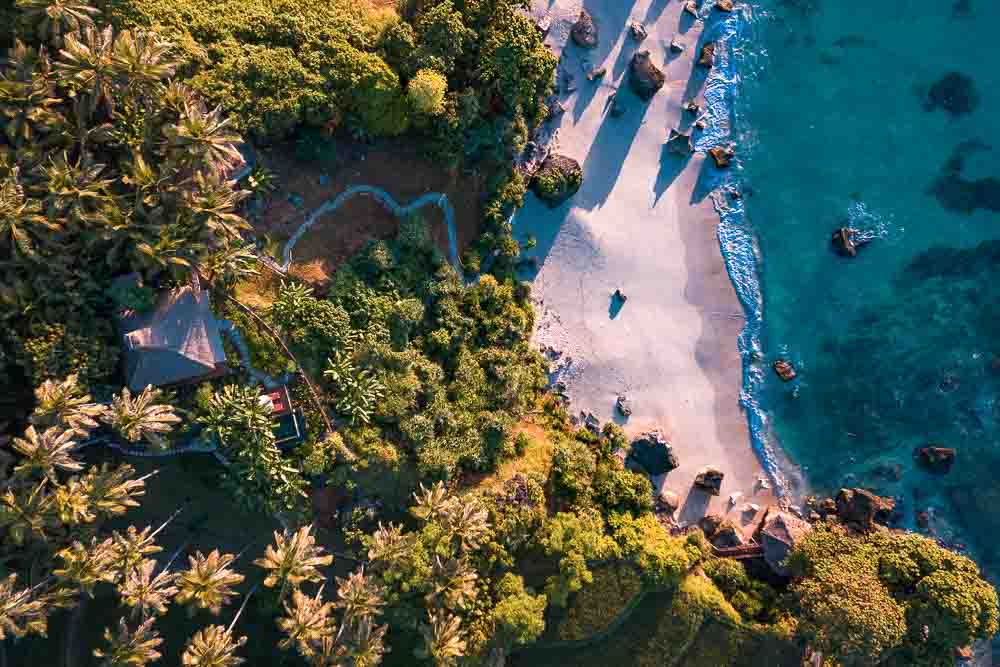
In the Coral Triangle the richest reef life sits in the top few meters, where the light is strongest.
Raja Ampat
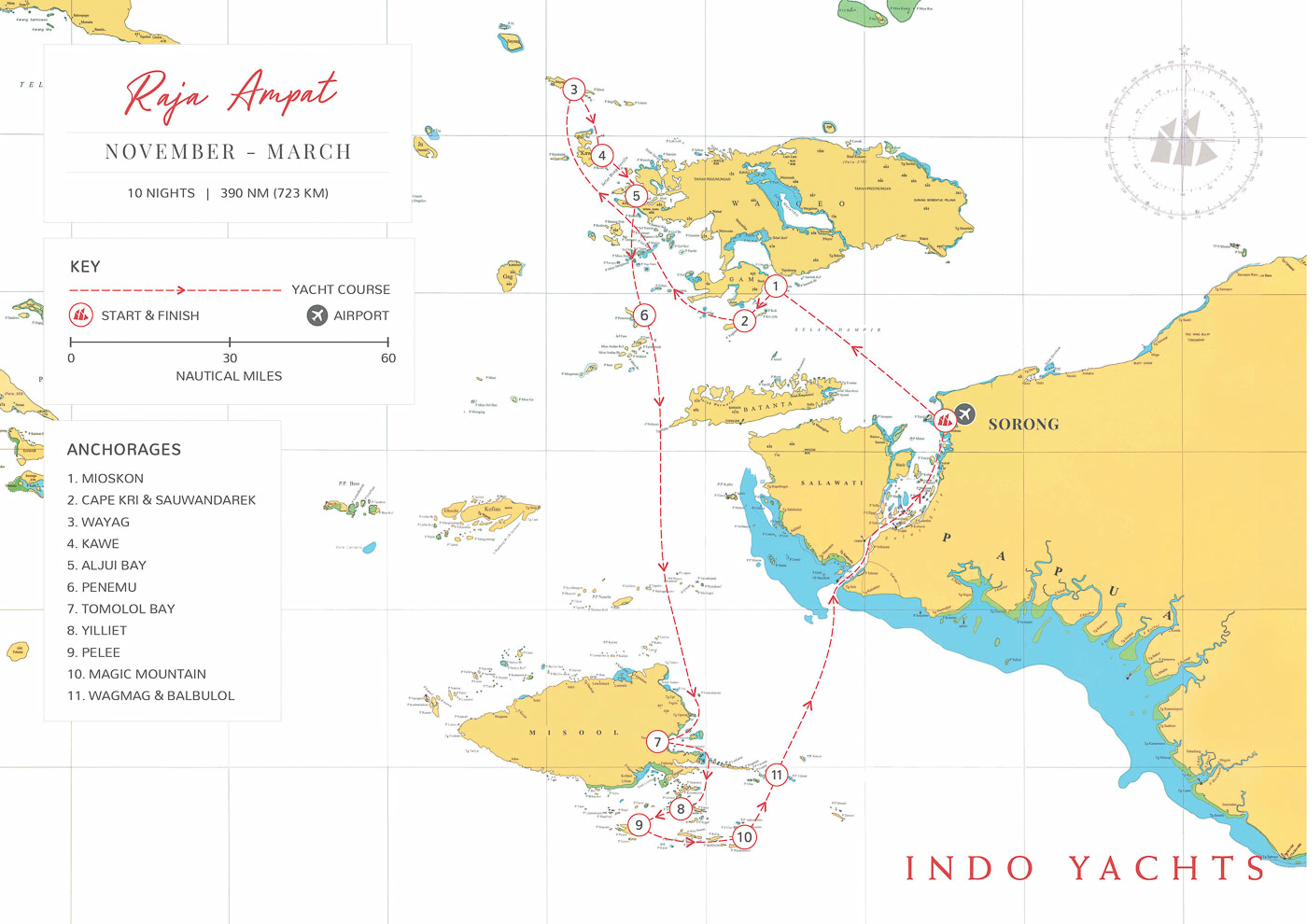
Raja Ampat is the world's best snorkeling destination, and marine science supports the claim. The region's shallow reefs contain more species than anywhere else documented, and many of its most famous sites are as rewarding at 2 meters as at 20.
Top Snorkeling Sites
Arborek Jetty
Walk off the village jetty into a coral garden teeming with fish. Anemones with clownfish, butterflyfish, parrotfish, and often a resident green turtle. The reef starts at less than one meter and extends outward in excellent condition. One of the most accessible and consistently excellent snorkeling sites in the region.
Manta Sandy
The same cleaning station where divers observe manta rays is shallow enough for snorkelers to watch from the surface. When mantas are present, they pass directly below at 5 to 8 meters, their wings spanning 3 to 4 meters. On clear days, the view from the surface rivals what divers see below.
Melissa's Garden
A coral garden between Penemu and Fam islands with hard coral coverage so dense and colorful it resembles a landscaped garden. The reef top sits at 2 to 3 meters, perfect for snorkeling. Schools of fusiliers, damselfish, and wrasse animate the scene.
Kabui Bay Passage
The narrow waterway between Gam and Waigeo islands supports vibrant soft corals near the surface, visible while snorkeling or paddleboarding overhead. The clear, shallow water and calm conditions make this suitable for all comfort levels.
Wayag Lagoon
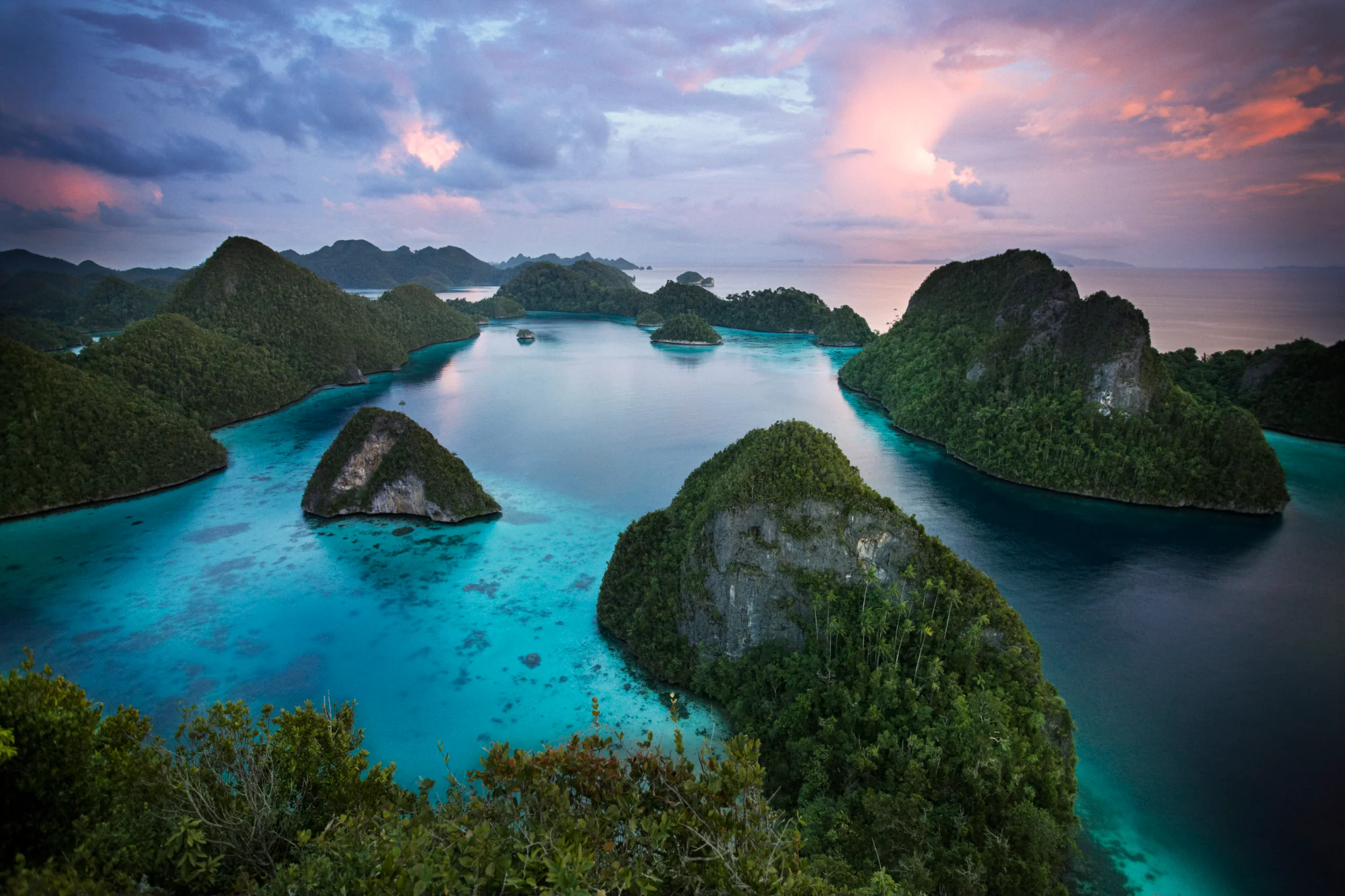
Snorkeling inside Wayag's karst lagoon, surrounded by towering limestone pinnacles, is one of Raja Ampat's most dramatic settings. The water is calm, clear, and shallow. Baby blacktip reef sharks can sometimes be spotted circling in the shallows near the ranger station.
Sawandarek Village Reef
A gently sloping reef in front of a local village, rich with hard coral, giant clams, and a reliable cast of reef fish. The site is sheltered and current-free, making it ideal for children and less confident swimmers.
Arborek and Melissa's Garden hold their richest coral in the first few meters, often better snorkeled than dived.
In Raja Ampat, the best snorkeling often happens at the same sites divers use. Ask your dive guide or cruise director to recommend the sites where the shallow reef is healthiest. Many will tell you that Melissa's Garden and Arborek are actually better snorkeled than dived, because the richest coral sits in the top 5 meters.
Komodo National Park
Komodo's snorkeling is excellent, though the character differs from Raja Ampat. Where Raja Ampat's strength is reef density and biodiversity, Komodo's appeal is larger marine life encounters and dramatic underwater landscapes shaped by strong currents.
Top Snorkeling Sites
Makassar Reef
The premier manta ray snorkeling site in Komodo. Mantas visit a shallow cleaning station where they swim slowly past at depths accessible to snorkelers. On good days, it is possible to float at the surface and watch 3 to 5 mantas pass below over the course of an hour. Current is usually mild at the cleaning station, though the reef edges can be stronger.
Siaba Besar
A gentle, sloping reef covered in coral with excellent visibility. Hawksbill turtles are common here, often feeding on the reef within a few meters of snorkelers. One of Komodo's most reliable turtle encounters.
Kanawa Island
A small island with fringing reef on all sides. The north side has a shallow coral garden ideal for snorkeling in calm conditions. A good introductory site for less experienced snorkelers or families.
Pink Beach
The famous pink sand beach on Komodo Island's south coast has a coral reef starting just offshore. Snorkeling here combines underwater exploration with the novelty of the pink sand, colored by foraminifera microorganisms mixed into the white sand.
Tatawa Besar
A healthy sloping reef with calm conditions and good coral coverage. Schools of butterflyfish, angelfish, and parrotfish. Occasional cuttlefish. Suitable for all levels.
At Makassar Reef, mantas pass below snorkelers floating at the surface, with the cleaning station usually calm.
Other Outstanding Destinations
Wakatobi
Wakatobi's house reef is frequently cited as one of the best in the world. Over 400 coral species within snorkeling distance of the surface. The water is typically calm with visibility exceeding 30 meters. An ideal destination for snorkelers who want maximum reef time with minimal current.
Wakatobi's house reef holds over 400 coral species within snorkeling depth, with visibility that regularly exceeds 30 meters.
Cenderawasih Bay
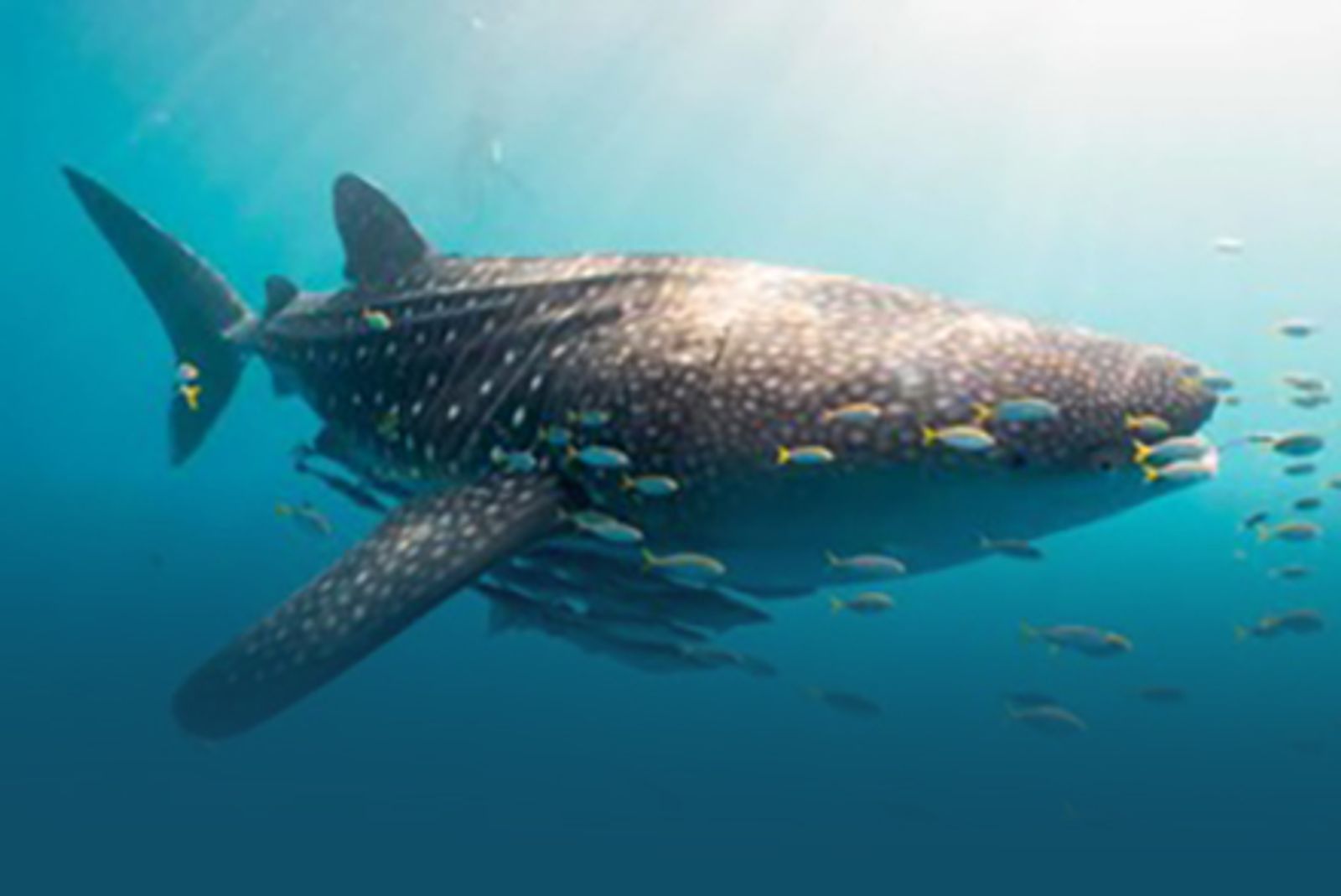
The primary draw here is whale sharks, not reef snorkeling, but the whale shark encounters are done from the surface. Snorkelers enter the water near traditional fishing platforms (bagans) where juvenile whale sharks gather to feed. Swimming alongside a 6 to 8-meter whale shark at the surface is an encounter few places on Earth can offer.
Triton Bay
Remote and rarely visited, Triton Bay offers soft coral coverage that begins at the surface in many locations. The nutrient-rich water supports dense growth in the shallows. Whale shark encounters near the fishing platforms are a highlight; we can arrange these as part of a Triton Bay charter, and the encounter is typically private to your group.
Bunaken (North Sulawesi)
Bunaken's wall reefs drop thousands of meters, but the reef tops sit at snorkeling depth. Swim along the edge of the wall and peer into the blue below while turtles, eagle rays, and reef sharks pass in the deeper water. An unusual snorkeling perspective found almost nowhere else.
Snorkeling with Marine Megafauna
Indonesia offers surface-level encounters with large marine animals that most people only see in documentaries.
Manta Rays
Komodo (Makassar Reef, Manta Alley), Raja Ampat (Manta Sandy, Blue Magic)
Mantas visit cleaning stations year-round, with activity peaking during each region's optimal season
You float at the surface above the cleaning station. Mantas pass below at 3 to 10 meters. No chasing, no touching, no diving down toward them. The animals come to you.
Whale Sharks
Cenderawasih Bay (year-round), Triton Bay (seasonal)
Cenderawasih encounters are possible in any month; Triton Bay is best from October through April
The yacht anchors near traditional fishing platforms where whale sharks aggregate. You enter the water and snorkel alongside them at the surface. Encounters can last minutes or hours. These are juvenile animals, typically 4 to 8 meters long, and they are accustomed to human presence near the platforms.
Sea Turtles
Komodo (Siaba Besar, Tatawa), Raja Ampat (throughout)
Turtles feed on reef and seagrass in shallow water and are frequently encountered while snorkeling. Hawksbill and green turtles are the most common species.
Juvenile whale sharks gather near the bagans in Cenderawasih Bay, where encounters happen entirely at the surface.
For megafauna encounters, buoyancy control matters even for snorkelers. Practice floating calmly without excessive fin kicking before your first manta or whale shark snorkel. Animals are more likely to stay close to calm, quiet swimmers.
Practical Tips
Gear
All charter yachts provide snorkeling equipment: mask, snorkel, and fins. However, fit matters enormously for comfort and visibility. If you snorkel regularly, consider bringing your own mask. A well-fitted mask that seals properly is the difference between an easy session and a frustrating one.
Sun Protection
You will be face-down in the water for hours. The back of your neck, calves, and shoulders burn fastest. Wear a rash guard or UV-protective shirt. Use reef-safe sunscreen on any exposed skin: mineral-based only, no oxybenzone. This is required in all Indonesian national parks and is the responsible choice everywhere.
Confidence in the Water
You do not need to be a strong swimmer to snorkel from a yacht. The crew provides flotation vests for anyone who wants extra buoyancy. Tender boats stay nearby at all times. Many sites have no current and depths of 2 to 5 meters, allowing you to stand on the sandy bottom if needed.
If you are genuinely uncomfortable in open water, discuss this with your crew before the first snorkeling session. They can start you at a sheltered, shallow site and build your confidence gradually.
Children
Children as young as 4 or 5 can snorkel with proper equipment and supervision. Many yachts carry child-sized masks and fins. The crew will identify calm, shallow sites with interesting fish life visible from the surface. For very young children, glass-bottom kayaks or clear paddleboards offer a dry alternative for observing the reef.
Snorkeling Kit Checklist
- Your own mask if you snorkel regularly (fit and seal are everything)
- Rash guard or UV-protective long-sleeve shirt
- Reef-safe sunscreen, mineral-based, no oxybenzone
- Anti-fog solution for your mask lens
- Underwater camera or GoPro with a red filter for color accuracy at depth
- Flotation vest if you want additional confidence in open water
- Dry bag for valuables on the tender ride to and from sites
Practical Guides
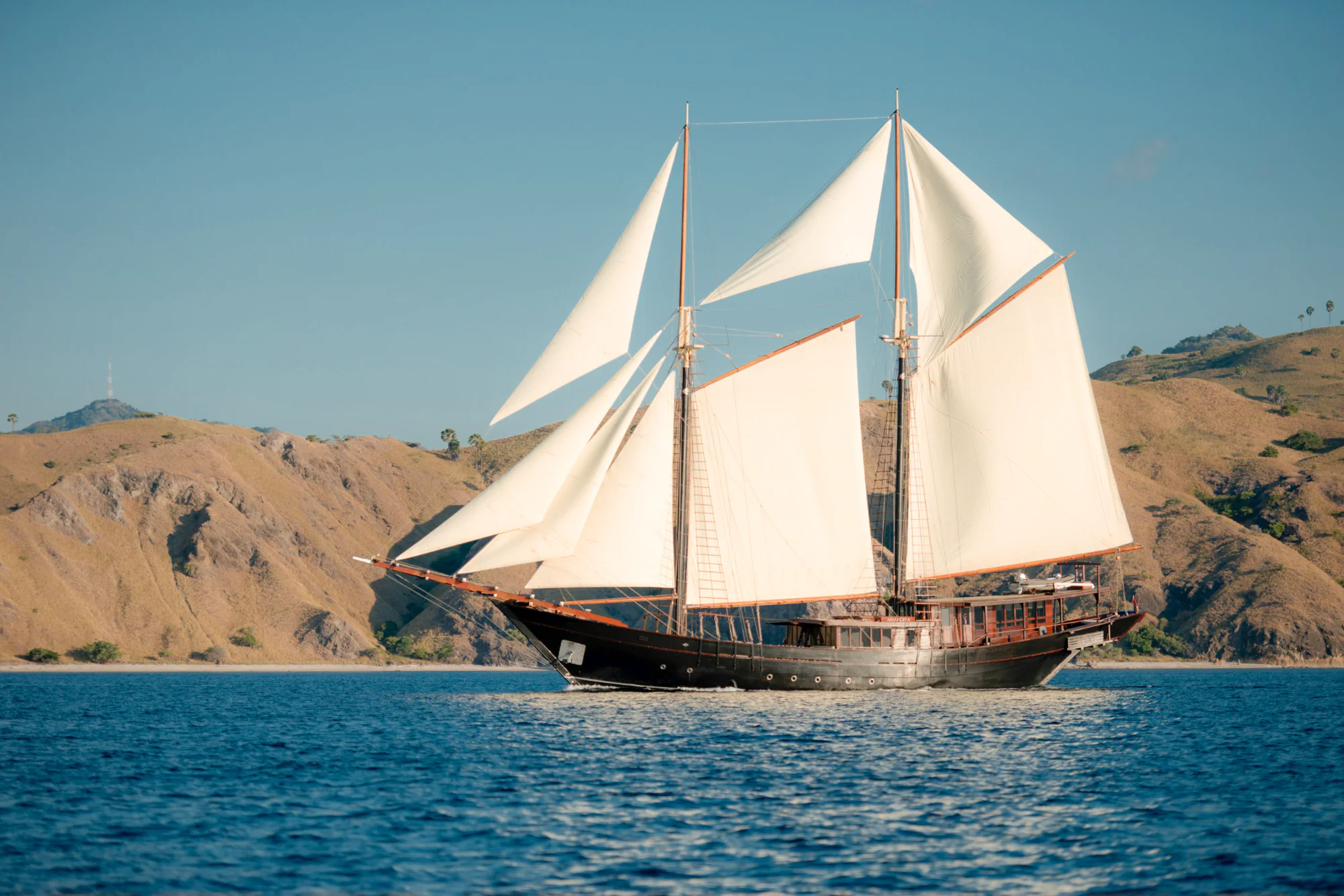
Everything you need to know before chartering in Indonesia. From costs and logistics to destination comparisons and packing lists.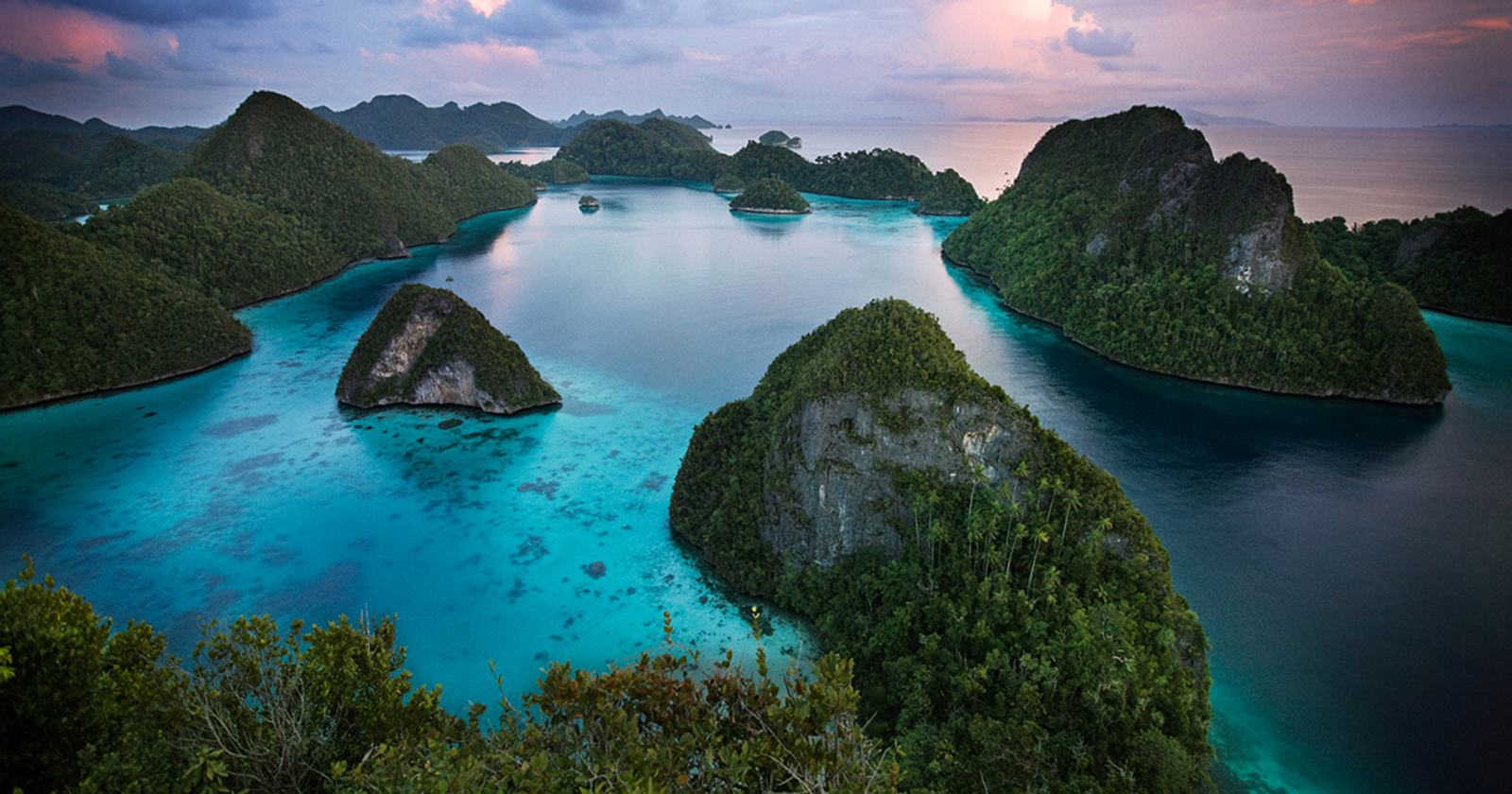
Continue Exploring
Dispatches from Indonesia's most extraordinary waters. Yacht features, expedition reports, and the stories behind our most memorable charters.
Inspired to explore?
Our team has sailed these waters for over a decade. Let us help you plan your own Indonesian adventure.