


How to Charter a Yacht in Indonesia
From initial inquiry to embarkation
Everything that happens between your first message and the moment you step aboard, set out in order. We have run this process for more than a decade, and most of the work that makes a charter feel effortless is done long before you arrive.

Initial Inquiry
Your charter begins with an inquiry. This is where we learn about your group, your interests, and your expectations. The more detail you give at this stage, the better we can match you to the right yacht, the right season, and the right route.
There is no obligation in the first exchange. Most clients come to us with a rough idea: a window of dates, a number of guests, a sense of whether they want diving, surfing, or quiet water. We take that and return with two or three vessels that genuinely fit, rather than a long list that does not. The aim of the first conversation is to narrow, not to sell.
If your dates are flexible, say so early. A week of give can open up better vessels and, in the shoulder periods, better value. The most sought-after yachts in peak weeks are often committed a year ahead.
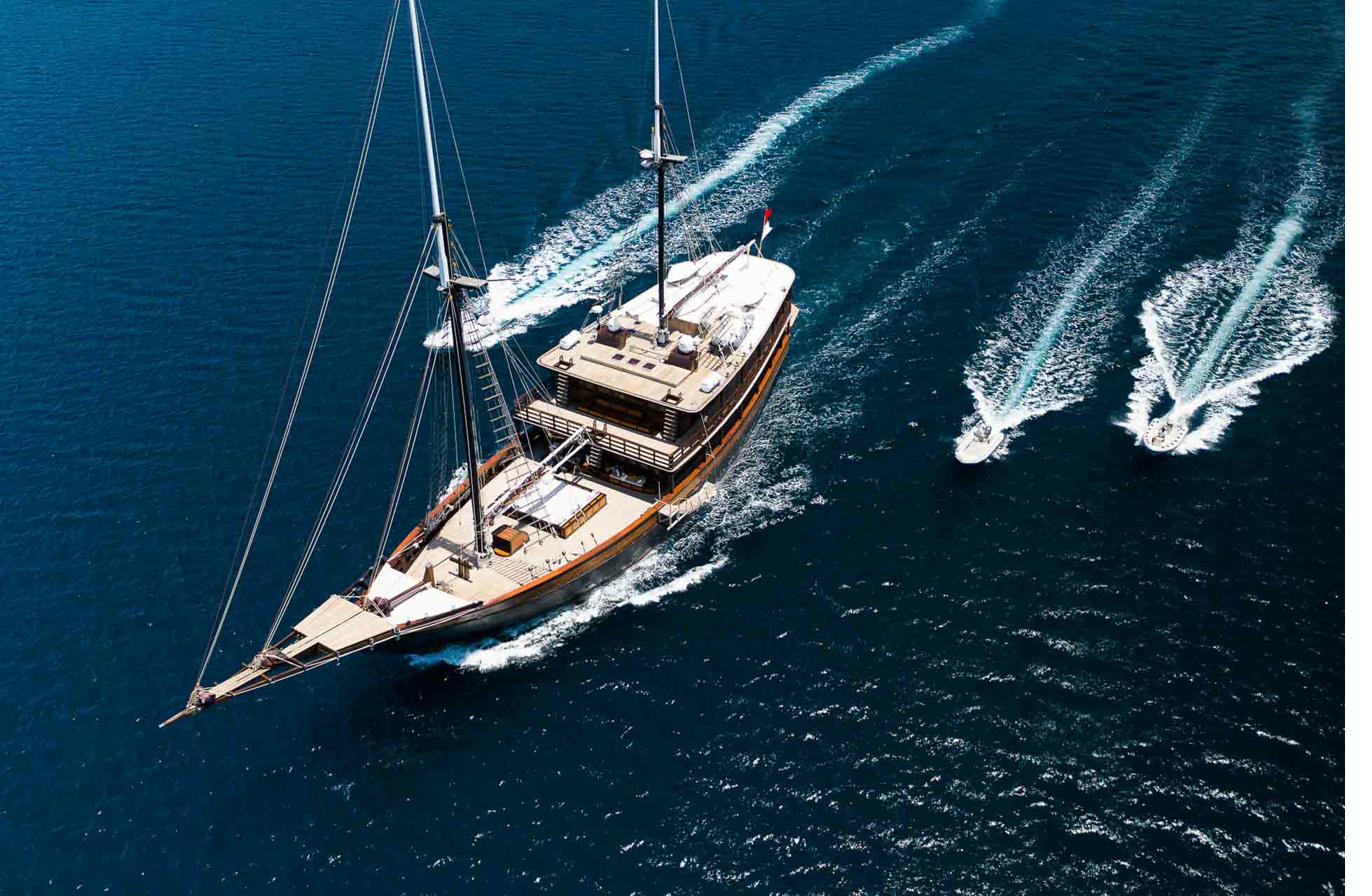
The first conversation is about fit: the right vessel for the right group, in the right season.
Key Information We'll Need
- Preferred travel dates and flexibility
- Number of guests and cabin configuration needs
- Destination preferences (Raja Ampat, Komodo, etc.)
- Activities of interest (diving, snorkeling, surfing)
- Any special requirements or celebrations
- Budget range (helps us recommend appropriate options)
Peak season (May to September for Komodo, October to April for Raja Ampat) books six to twelve months ahead. If you have fixed dates, reach out early to hold availability.
Choosing a Yacht
Indonesia's charter fleet ranges from intimate four-cabin yachts to larger vessels carrying eighteen guests or more. We present options against your requirements. A few factors matter more than the rest.

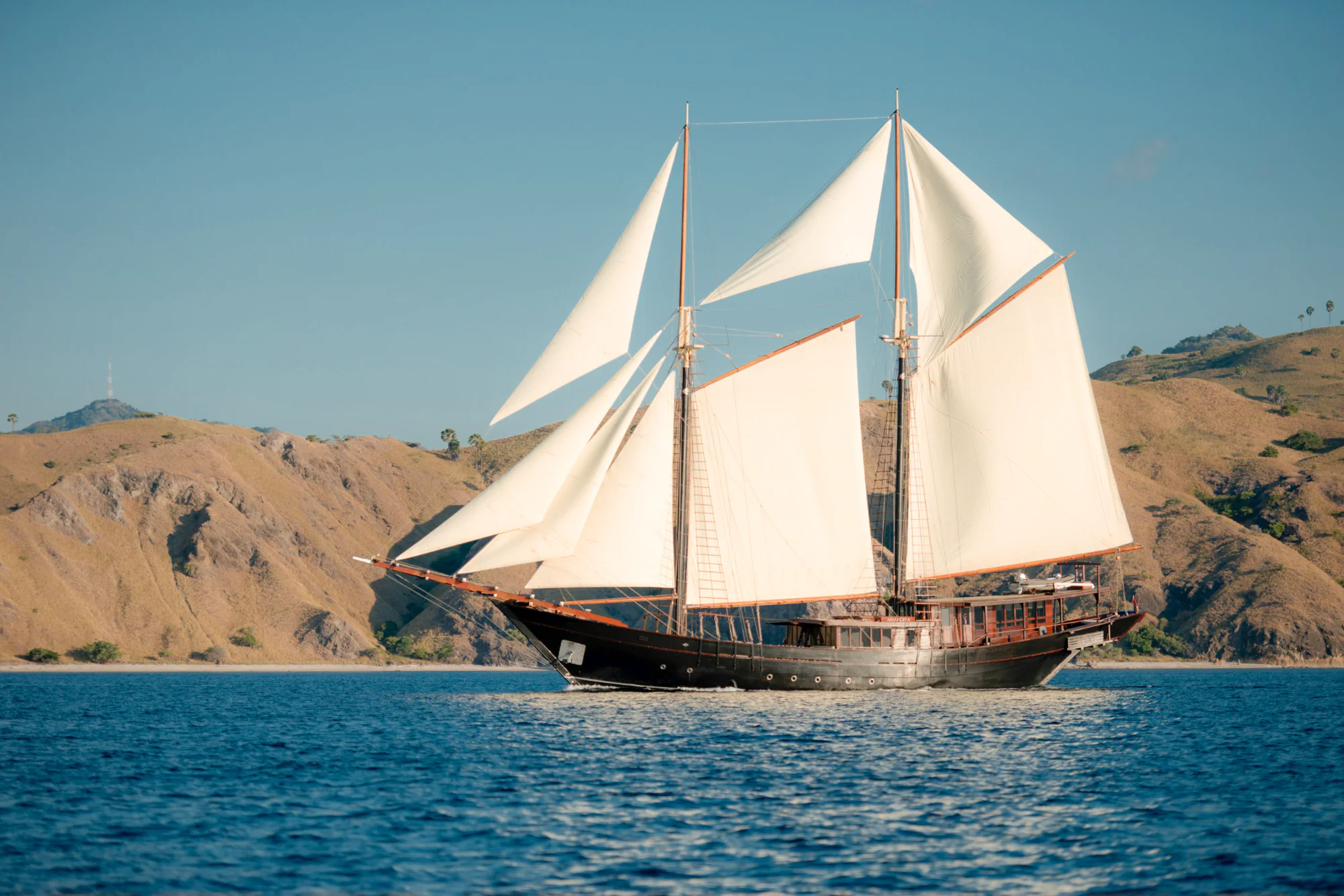
Phinisi or steel expedition vessel: the right answer follows from where you want to go.
Size and configuration
Look at cabin layout, not just total capacity. Some groups want all equal cabins; others want a master suite for the hosts and smaller cabins for children or staff. The right configuration depends on who is travelling together and how they prefer to share space.
Vessel type
Traditional phinisi sailing yachts are built in the Indonesian boatbuilding tradition and carry a particular character on the water. Steel expedition vessels trade some of that character for range and stability, which matters on longer crossings to remote areas. Neither is better in the abstract. The choice follows from where you want to go and how the sea tends to behave there in your season.
Amenities and activities
Dive equipment, water toys, tenders, and onboard facilities vary widely between vessels. If diving is central to the trip, the number of certified dive guides and the condition of the compressor and tender matter more than the brochure. Tell us what the group actually wants to do and we weight the shortlist accordingly.
The crew
On a private charter the crew is the product. A strong captain reads the weather and reroutes without being asked. A good chef turns provisioning limits into meals you remember. Experienced dive guides keep the group safe and find the sites worth the trip. When two vessels look similar on paper, the crew is usually what separates them, and we weight crew reputation heavily in what we recommend.
Planning Your Itinerary
Once you have chosen a vessel, we work with the captain to build your itinerary. We offer suggested routes, but every charter is shaped by weather, group interest, and conditions on the day.
Where to go
Raja Ampat sits at the center of the Coral Triangle and holds some of the densest reef-fish life anywhere, on reefs that still see very few divers. Komodo pairs its dragons with strong drift dives and manta cleaning stations. We can advise on which suits your travel window, since the two destinations peak in opposite seasons.
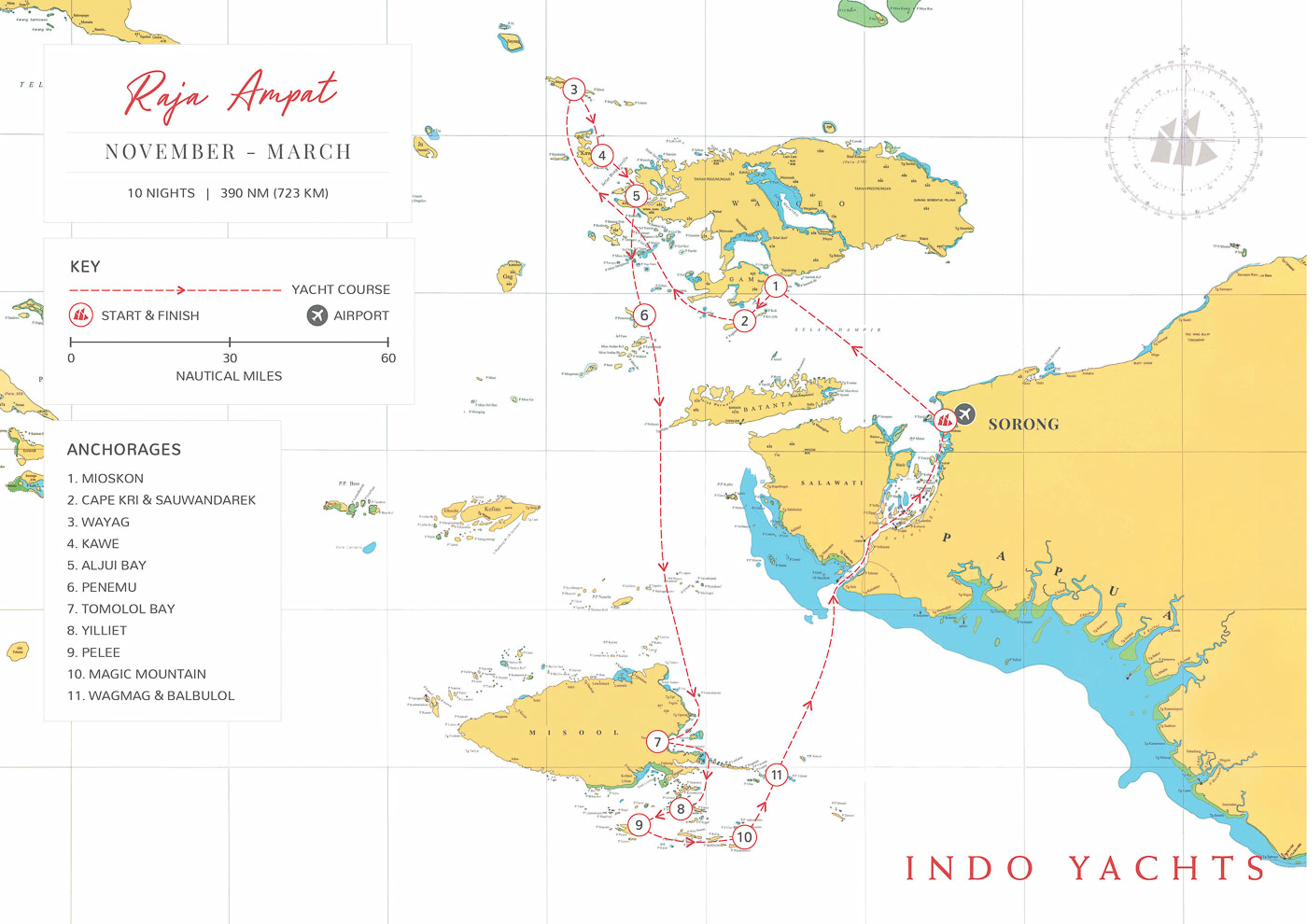
Raja Ampat and Komodo peak in opposite seasons, which usually settles the question of when to go.
Setting the pace
Some groups dive up to four times a day. Others prefer one dive and a long lunch on an empty beach. The captain adjusts the rhythm to the group rather than the other way around. Tell us where on that spectrum you sit and we build from there.
One way or round trip
Most charters start and end at the same port, which keeps logistics simple. One-way routes, for example Komodo to Bali by sea, are possible and can be a strong option, but they add repositioning time and cost. We flag that tradeoff early so the itinerary fits both your dates and your budget.
Share dietary needs and preferences early. Your chef can source specialty ingredients before departure, which matters once you are in remote water with no resupply.
Booking & Payment
When you are ready to proceed, we send a charter contract and a payment schedule. The terms are standard across most of the fleet.
Payment Structure
- 50% deposit to confirm your booking
- Remaining 50% due 60 days before charter
- Advance Provisioning Allowance (APA) for onboard expenses
What is included
Charter rates typically cover the yacht, the crew, standard water toys, and basic fishing equipment. Fuel, food, beverages, port fees, and national park permits sit outside the base rate. These run through the Advance Provisioning Allowance, or APA.
How the APA works
The APA is a float, paid before departure, that the crew draws against for fuel, provisioning, and fees during the trip. At the end of the charter you receive a full reconciliation. Anything unspent is returned; if the balance runs low, it is topped up along the way. We provide a clear breakdown before you sign, so there are no surprises on either side.
Provisioning, fuel, and park fees run through the APA, reconciled in full at the end of the trip.
A note on cancellation
We recommend charter cancellation insurance alongside your travel and medical evacuation cover. Deposits are committed well in advance, and weather, health, or travel disruption can intervene. The premium is small against the deposit at risk, and it lets you commit to dates with confidence.
Pre-Charter Preparation
In the weeks before departure we coordinate the final details. Two things matter most here: the preference sheet and the logistics.
The preference sheet
We send a detailed sheet covering dietary requirements, cabin assignments, activity interests, and any special occasions. It goes straight to your crew, who plan around it before you arrive. The more candid you are, the less you have to manage once aboard.
Travel and logistics
We can assist with flights, transfers, and pre and post charter hotels. Many guests pair the charter with a few days at a resort, and we work with established properties at both ends. We also recommend travel insurance with medical evacuation cover, and DAN membership for anyone who plans to dive. The nearest hospitals to the main cruising grounds are basic, so evacuation cover is not optional.
Most of the work that makes a charter feel effortless is done in the two weeks before you fly.
What to Pack
- Light, breathable clothing (casual attire onboard)
- Reef-safe sunscreen (required in national parks)
- Dive certification cards if applicable
- Any prescription medications you require
- A sense of adventure
Embarkation Day
Your charter begins the moment you land. We arrange transfers from the airport or hotel to the yacht. On arrival you are met by the captain and crew for a safety briefing and a tour of the vessel before you sail.
From there, your only job is to relax. The crew handles the rest, from planning each day around the conditions to cooking for the group. Whether you want to dive remote reefs, walk an empty island, or watch the light go from the deck, the charter is yours to shape.
The first day is deliberately gentle. After the briefing, most groups settle into a short opening passage, an easy check dive or swim, and a long dinner at anchor. The pace builds from there as the group finds its rhythm over the days that follow.
From embarkation on, the crew carries the logistics so the group can simply be present.
Herry and the team took care of us in the most magnificent way, never short of anything. They made it a once in a lifetime experience.
Practical Guides
Everything you need to know before chartering in Indonesia. From costs and logistics to destination comparisons and packing lists.

Continue Exploring
Dispatches from Indonesia's most extraordinary waters. Yacht features, expedition reports, and the stories behind our most memorable charters.
Inspired to explore?
Our team has sailed these waters for over a decade. Let us help you plan your own Indonesian adventure.