

Western Pacific
Western Pacific

Palau & Micronesia

The Underwater Serengeti of the Pacific.

Scroll
300+ Islands
Limestone & Volcanic
World's First
Shark Sanctuary (2009)
Year-round
Season
UNESCO Listed
Rock Island Lagoon

The Underwater Serengeti of the Pacific

Palau is the destination divers circle on their bucket list and struggle to leave once they arrive. Positioned where the Philippine Sea meets the Pacific Ocean, this archipelago of limestone and volcanic islands has earned its reputation as one of the most extraordinary marine environments on the planet.

The numbers tell part of the story: over 1,300 species of fish, more than 700 species of coral, and a wreck-diving legacy from World War II that has no equal in the Pacific. But it is the sheer spectacle that stays with you. The wall of grey reef sharks at Blue Corner drifting in formation on a ripping current. The manta rays banking through German Channel. The eerie stillness of a Japanese freighter resting on the bottom, its holds now home to lionfish and glassfish.

Palau became the world's first shark sanctuary in 2009, a declaration that transformed the islands into one of the few places on Earth where shark populations are fully protected and thriving. That commitment to conservation is visible beneath the surface at every dive site.

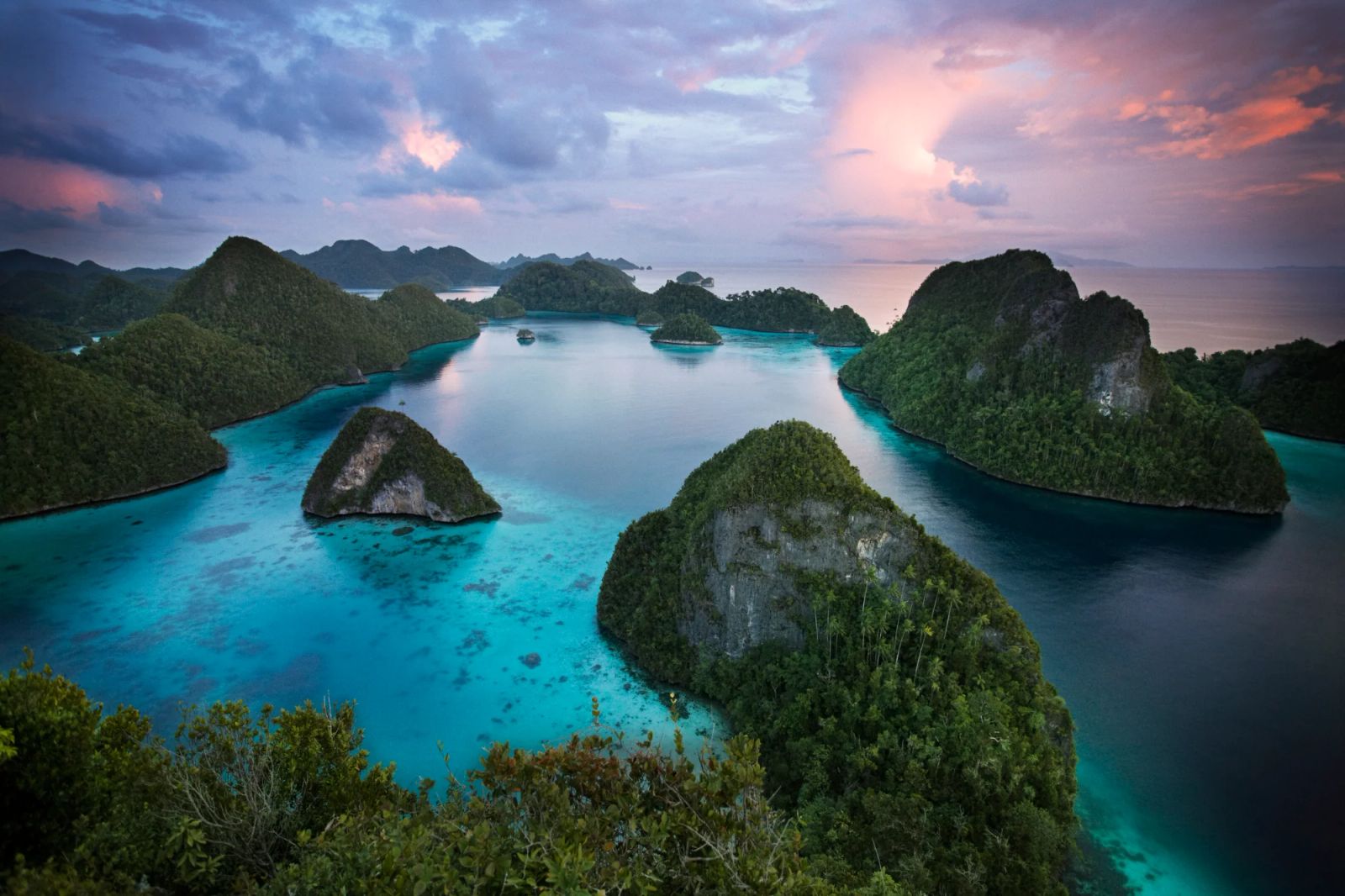
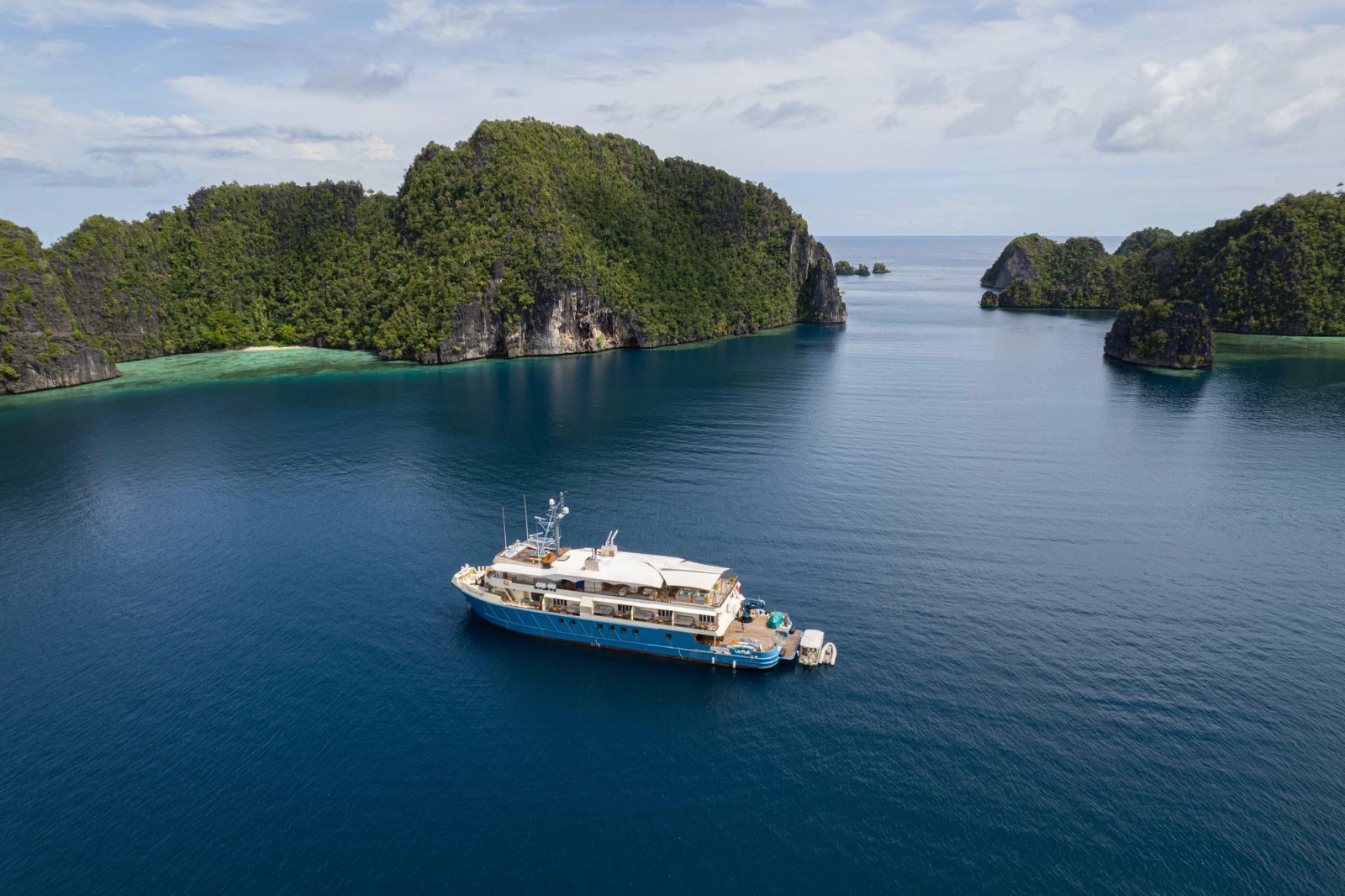
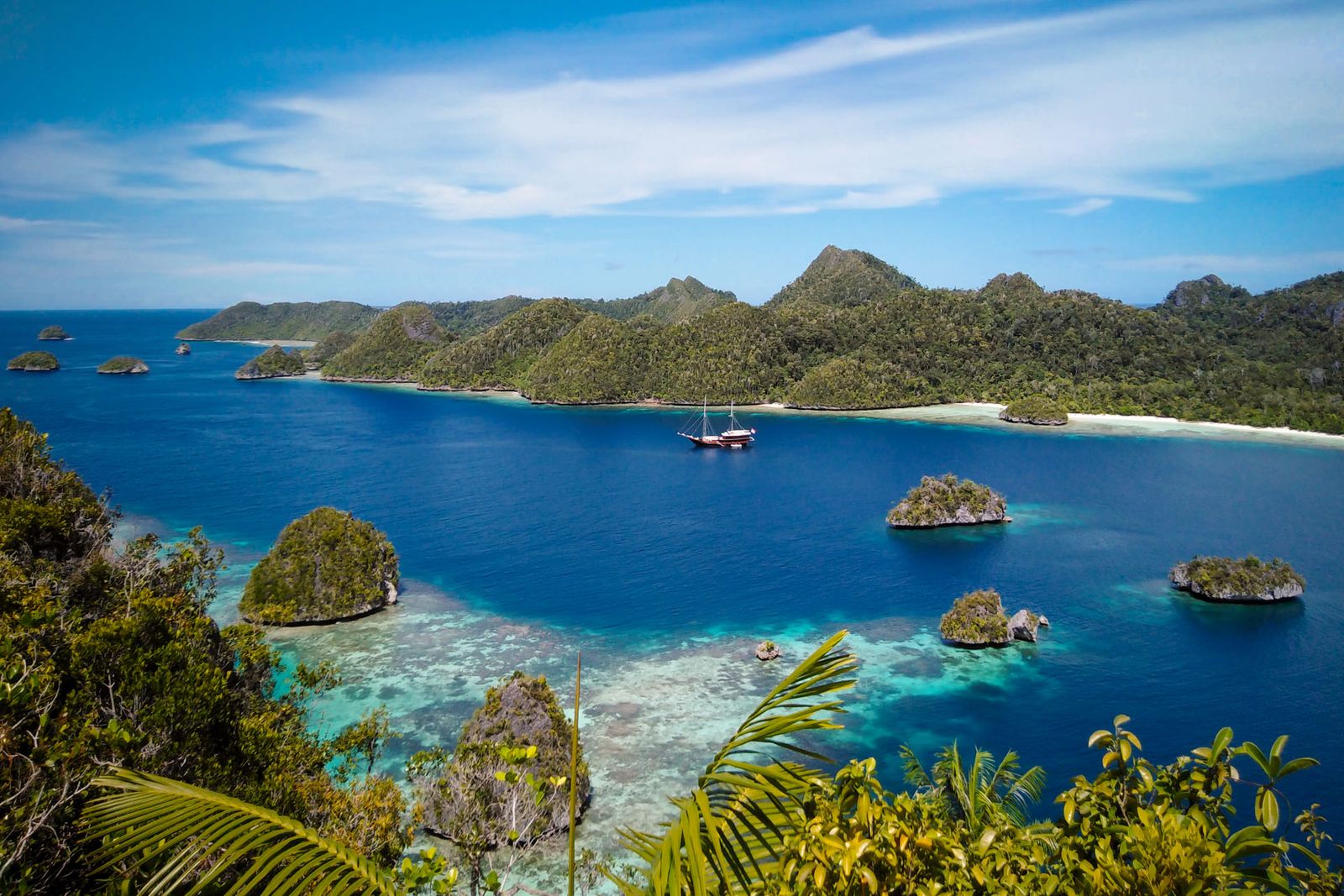
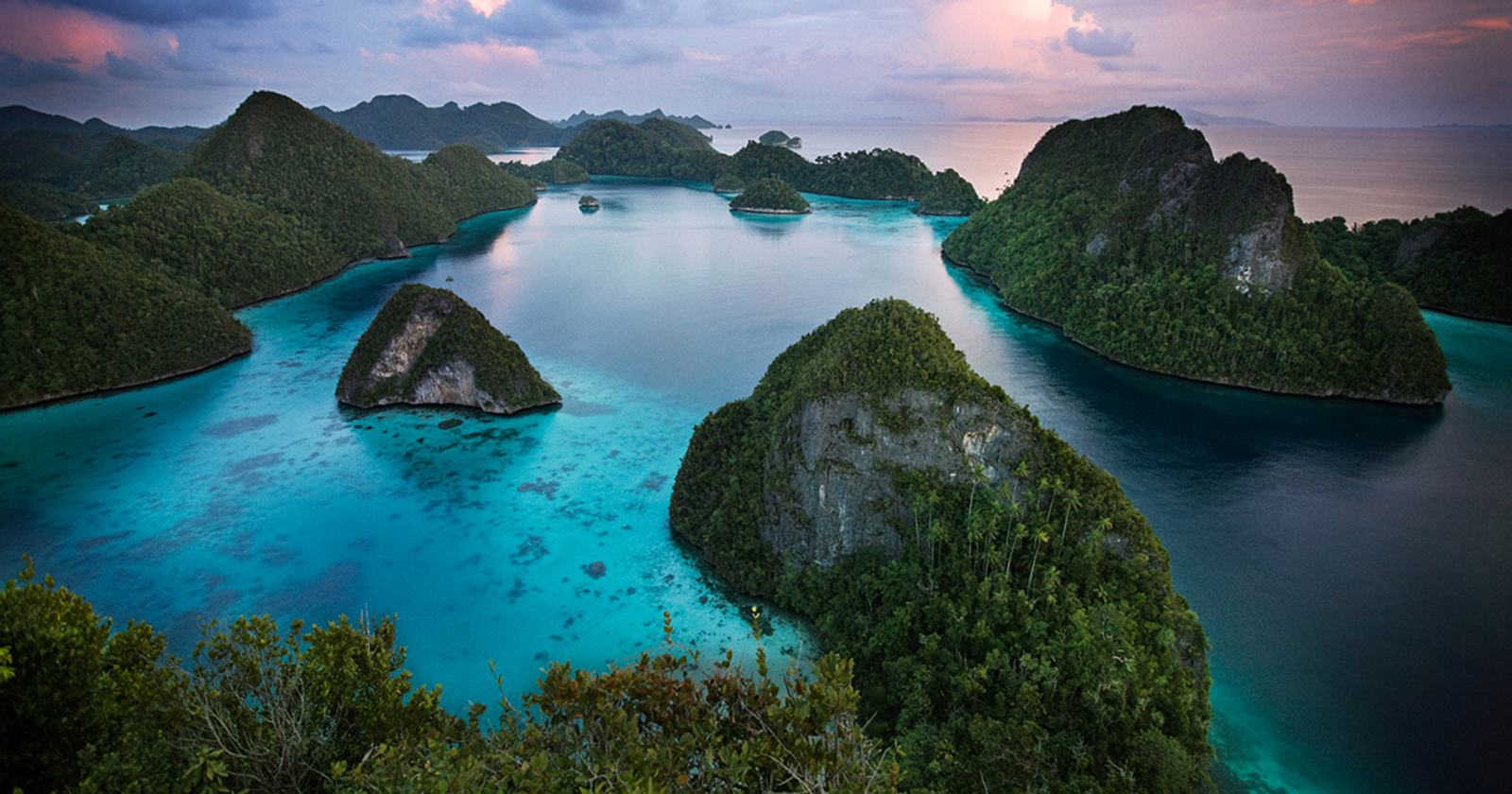
The Rock Island Southern Lagoon, over 250 limestone islets forming a UNESCO World Heritage Site

The Rock Island Southern Lagoon, over 250 limestone islets forming a UNESCO World Heritage Site

"

Palau is the destination divers circle on their bucket list. The first time you watch the wall of grey reef sharks at Blue Corner streaming past in formation, you understand why.

Indo Yachts Charter Team

Why Palau Is Different

Palau sits at the confluence of the Pacific and Philippine seas, creating powerful, nutrient-rich currents that fuel an extraordinary food chain. These currents are what draw the big animals (sharks, mantas, barracuda, and tuna) to Palau's channel dives in numbers rarely seen elsewhere.

Palau's comprehensive marine protection (the world's first shark sanctuary, no-take zones, and strict fishing regulations) means its reefs have recovered to a density that most of the world's oceans no longer achieve. Sharks are not a highlight here; they are a constant.

Operation Desecrate One in March 1944 sank dozens of Japanese ships and aircraft in Palau's lagoon. Those wrecks, now encrusted with coral and swarming with marine life, form the backbone of one of the world's most compelling wreck-diving destinations.

Grey reef sharks on the famous Blue Corner dive site in Palau
Above the Surface

Beyond the Underwater World

Palau's limestone Rock Islands are as dramatic above the waterline as below. These forest-covered karst formations, 250 of them clustered within a single lagoon, are unlike anything else in the Pacific. Kayak through hidden passageways, swim through natural arches, and discover deserted beaches tucked inside mushroom-shaped islands that no road will ever reach.

The war history runs deep here. Peleliu Island saw some of the Pacific War's most brutal fighting in 1944. Walking the old airfields and jungle battlefields with a local guide is a sobering, essential complement to the underwater war relics beneath the surface. Babeldaob, Palau's largest island, offers ancient stone monoliths and traditional Belauan bai (meeting houses) that speak to a culture thousands of years in the making.

Rock Islands

Kayak through UNESCO-listed limestone formations

Peleliu Island

WWII battlefields and war relics on land and sea

Babeldaob

Ancient stone monoliths and traditional culture

Kayaking through Palau's limestone Rock Islands
Our Experience
Our Experience

We Know These Waters

Palau and Micronesia represent our furthest frontier, an expedition charter for guests who have explored Indonesia's waters and are ready for the next horizon. This is not a routine destination. The logistics are demanding, the passages are long, and the rewards are extraordinary.

We work with local dive operators and clearance agents to ensure smooth access to Palau's protected areas. Every Palau charter is built around conditions, tidal windows, and the seasonal movement of marine life.

Since 2015

Operating in the Region

12+

Dive Sites Surveyed

Frontier

Expedition Category

The Palau Archipelago

Exploring Palau's Key Regions

From the lagoon capital of Koror to the wild outer reefs of Peleliu and the remote cays of Kayangel Atoll, each region of Palau delivers a distinct chapter of the Pacific's most remarkable destination.

Central Palau

Central Palau

Koror & the Rock Islands

The logistical and cultural heart of Palau. Koror offers the best infrastructure for provisioning and crew changes, and is the gateway to the Rock Island Southern Lagoon, the UNESCO-listed archipelago of 250 limestone formations that defines Palau's signature image. Day trips reach German Channel, Chandelier Caves, and Jellyfish Lake from here.

German Channel Rock Islands Chandelier Caves
Outer Reef

Outer Reef

Ngemelis & Blue Corner

The world-famous outer reef drop-offs that have made Palau's reputation. Blue Corner is one of the most celebrated dive sites on the planet: a ripping current along a wall where sharks and barracuda aggregate in extraordinary numbers. The Ngemelis Wall offers a sheer drop into the abyss encrusted with soft corals and sea fans.

Ngemelis Wall Blue Corner Blue Hole
Southern Palau

Southern Palau

Peleliu & the Southern Drops

Palau's most remote and rewarding diving frontier. The Peleliu Express and Peleliu Cut are drift dives of extraordinary intensity: walls of sharks, schools of bumphead parrotfish, and hammerheads patrolling the drop-off. Above the water, the island's WWII battle sites are among the most historically significant in the Pacific.

Bumphead Parrotfish Peleliu Cut WWII Sites
Signature Diving

Palau's Legendary Dive Sites

Palau's reefs consistently rank among the world's finest. From the shark-patrolled walls of Blue Corner to the cathedral silence of WWII wrecks, every site carries its own legend. Many sites are suitable for experienced snorkelers on calm days.

Outer Reef, Ngemelis

Outer Reef, Ngemelis

Blue Corner

Palau's most celebrated dive. A submerged plateau on the outer reef where powerful currents concentrate sharks, barracuda, and eagle rays in remarkable numbers.

Strong Current Sharks
Inner Lagoon, Koror

Inner Lagoon, Koror

German Channel

A man-made channel cut through the reef by German phosphate miners. Now the most reliable manta cleaning station in Palau, with up to 10 mantas on a single dive.

All Levels Mantas
Inner Lagoon, WWII Wrecks

Inner Lagoon, WWII Wrecks

Iro Maru

The largest and most dramatic of Palau's accessible WWII wrecks. A Japanese fuel tanker sunk in 1944, now resting at 40m with massive coral growth and abundant marine life.

WWII Wreck
Rock Islands, Malakal

Rock Islands, Malakal

Chandelier Caves

A system of four interconnected marine caves with surface air pockets, stalactites, and walls covered in small anemones. A shallow and memorable dive accessible to all levels.

All Levels Cave

Marine Life

What Lives in Palau's Waters

Palau's designation as the world's first shark sanctuary is just the beginning. These reefs support one of the most complete marine ecosystems remaining in the Pacific, from the largest pelagics to the rarest macro life.

Carcharhinus amblyrhynchos

Grey Reef Shark

Carcharhinus amblyrhynchos

Palau's most emblematic species. Fully protected since 2009, grey reef sharks appear in their hundreds at Blue Corner and Peleliu. These are animals completely unbothered by divers, the result of decades of protection.

Mobula alfredi

Reef Manta Ray

Mobula alfredi

German Channel hosts one of the Pacific's most consistent manta cleaning stations, with resident mantas known to individual researchers by their markings. Encounters are often multiple animals in a single session.

Bolbometopon muricatum

Bumphead Parrotfish

Bolbometopon muricatum

Schools of hundreds of these meter-long fish congregate at Peleliu during spawning events. The sound of their beaks grinding coral is audible from the surface. One of the great wildlife spectacles of the Pacific.

Cheilinus undulatus

Napoleon Wrasse

Cheilinus undulatus

Palau's Napoleon wrasse are among the largest and most approachable in the world. Decades of protection have produced enormous animals that swim directly up to divers, their humped foreheads at eye level.

The Numbers

  • 700+ Coral species
  • 1,300+ Fish species
  • 250+ Rock Islands in the lagoon
  • 60+ WWII wreck and aircraft sites
  • 30m+ Typical visibility at outer reef sites

Planning Your Voyage

When to Visit Palau

Palau is diveable year-round, but the dry season delivers the finest visibility and calmest conditions across the archipelago.

Peak Season: November through April

Palau's dry season brings the finest conditions for both diving and cruising. Seas are calmer, visibility is exceptional (often 30m or better at the outer reef sites), and rainfall is minimal. December through March is widely considered the optimum window: the northeast trade winds create comfortable sailing conditions and the water temperature sits at a consistent 28 to 30 degrees Celsius.

This period also coincides with the best chance of encountering hammerhead sharks on Palau's deeper walls and the spawning aggregations of bumphead parrotfish at Peleliu during full moon cycles.

Shoulder Season: May through October

Palau's rainy season brings more humidity and afternoon squalls, but diving remains excellent year-round. The water temperature barely changes, and the marine life is present in every month. May to June and September to October offer good conditions with fewer visitors. July and August see stronger winds but remain operable.

Manta rays at German Channel are present throughout the year, making Palau unusual among Pacific destinations in its year-round marine life consistency.

Month Conditions Visibility Mantas
January Excellent 30m+ High
February Excellent 30m+ High
March Very Good 25-35m High
April Very Good 25-30m High
May Variable 20-30m Medium
June Wet Season 15-25m Medium
July Wet Season 15-25m Medium
August Wet Season 15-25m Low
September Good 20-30m Medium
October Good 20-30m Medium
November Excellent 25-35m High
December Excellent 30m+ High
Peak
Shoulder
Off Season

Note on Jellyfish Lake

The famous golden jellyfish population has declined significantly in recent years due to climatic conditions. Check current status with Palau authorities before planning specifically around this experience.

Getting There

Logistics & Access

Departure City
Travel Time
Manila, Philippines
~2h 30m Direct
Guam, USA
~1h 30m Direct
Taipei, Taiwan
~3h 30m Direct
Tokyo, Japan
~3h 30m 1 stop
Singapore
~6h+ Connecting

Port of Entry

Yachts arrive at Malakal Commercial Port on the satellite island of Malakal, connected to Koror by bridge. This is the official port of call for all visiting vessels. Entry clearance is handled through Palau's immigration and customs authorities. We coordinate this in advance through a local yacht agent.

Entry Requirements

All visitors must complete a Palau Entry Form within 72 hours of arrival. Most nationalities receive a 30-day tourist visa on arrival. Private yachts may stay up to 90 days (one year for vessels registered in the USA, Marshall Islands, or FSM). A Palau Marine Park permit is required for diving in protected areas.

Provisioning

Koror has reasonable provisioning options for a remote Pacific destination. Fuel is available at Malakal Port. For major provisioning, Manila or Guam represent the closest reliable resupply points prior to arrival.

ROR

Airport Code

90 Days

Max Vessel Stay

USD

Local Currency

From the Charter Team

What We Know About Palau

Details that make the difference between a good charter and an extraordinary one.

Insider knowledge card image

Bring a Reef Hook

Blue Corner and Ulong Channel are current dives requiring a reef hook, a short line with a clip that attaches to dead coral rubble so you can hover in the current and watch the marine life stream past. Without one, the best sites are simply inaccessible. Every diver in your group should have one.

Insider knowledge card image

The Peleliu Permit

Since May 2024, access to Peleliu dive sites requires an additional $60 per person permit (valid 5 days) on top of the standard Marine Park fee. Plan this in advance. The permit also covers the land tour of the WWII battlefields. Budget a half-day on shore for a genuinely moving experience.

Insider knowledge card image

Tidal Timing Is Everything

Palau's best sites run on tidal current. Blue Corner and the Peleliu dives are essentially undiveable on the wrong tide, flat and featureless without the current that brings the marine life. Every dive itinerary must be built around tidal predictions, not preferences. We plan this obsessively.

Questions

Palau & Micronesia FAQ

What's the best time to visit Palau?

November through April is the dry season with optimal conditions, calm seas, 30m+ visibility, and peak shark activity. December to March is considered the best window overall, with hammerhead encounters most likely and bumphead parrotfish spawning on full moons.

How do I get to Palau?

Roman Tmetuchl International Airport (ROR) on Babeldaob receives direct flights from Manila, Guam, and Taipei. Most guests flying from Europe, Australia, or Southeast Asia connect via Manila or Guam. Flight time from Manila is approximately 2.5 hours direct.

What diving experience is needed for Palau?

Advanced Open Water certification is strongly recommended. Many of Palau's signature sites (Blue Corner, Peleliu Cut, Ulong Channel) are current dives requiring reef hook skills and experience in surge. Minimum 50 logged dives is our recommendation. Chandelier Caves and German Channel suit all certified levels.

Is Palau suitable for non-divers?

Yes, though it is primarily a diving destination. Rock Islands kayaking, snorkeling in protected lagoons, WWII history sites on Peleliu, and Belauan cultural experiences on Babeldaob provide excellent alternatives. Some manta encounters at German Channel are accessible to confident snorkelers.

Interested in Chartering Palau & Micronesia?

Please get in touch to discuss planning your private charter.