

Best Diving in Indonesia
The best diving on Earth, reached by yacht
Indonesia sits at the heart of the Coral Triangle, home to more marine species than anywhere else on Earth. Here are the dive sites and regions that make it the world's greatest diving destination, and how a yacht charter unlocks the best of them.
Why Indonesia
Indonesia contains more marine biodiversity per square kilometer than any country on Earth. It sits at the apex of the Coral Triangle, where the Pacific and Indian Oceans converge, creating nutrient flows that support an extraordinary concentration of life. Over 3,000 fish species, 600 coral species, and six of the world's seven marine turtle species are found in Indonesian waters.
For divers, this translates to a simple reality: there is more to see here, at every depth and skill level, than anywhere else. A single week of diving in Raja Ampat or Komodo reveals more species diversity than most divers encounter in a lifetime of travel elsewhere.
A yacht charter is the optimal way to dive Indonesia. The best sites are spread across remote archipelagos with no resort infrastructure. A yacht moves you between sites efficiently, carries your equipment, provides surface intervals on deck, and puts you in the water at the right time relative to tides and currents. There is no comparable way to access this quality and variety of diving.
The Coral Triangle: where the Pacific and Indian Oceans converge to produce the world's richest marine environment.
Raja Ampat
The global epicenter of marine biodiversity. Over 1,600 fish species and 75% of all known coral species in an area roughly the size of Belgium.
Signature Sites
Cape Kri
The site that put Raja Ampat on the map. Dr. Gerry Allen counted a world-record 374 fish species on a single dive here. A sloping reef wall drops into the Dampier Strait, where currents concentrate schools of barracuda, trevally, sweetlips, and snapper. Reef sharks patrol the deeper sections.
Manta Sandy
A shallow cleaning station in the Dampier Strait where reef manta rays come to be cleaned by wrasse. Divers kneel on the sandy bottom and watch mantas glide overhead, sometimes circling for extended passes. If conditions are right, multiple mantas may be present simultaneously.
Blue Magic
A submerged seamount in the Dampier Strait that rises to within 7 meters of the surface. Mantas, grey reef sharks, schools of barracuda, and large Napoleon wrasse are regular visitors. The seamount concentrates pelagic life in a small area, making encounters reliable.
What Sets Raja Ampat Apart
The density of life. Other destinations have big pelagics or healthy coral or macro creatures. Raja Ampat has all of them on every dive, at every depth, with a species count that no other region approaches. The reefs here are in a state of health that most divers have never witnessed.
The Dampier Strait between Waigeo and Batanta concentrates many of Raja Ampat's best sites in a compact area. A 7-night itinerary focused on this strait can include 15 to 20 dives at the region's best sites without long passages between them.
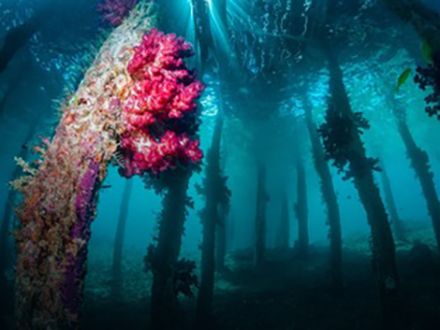
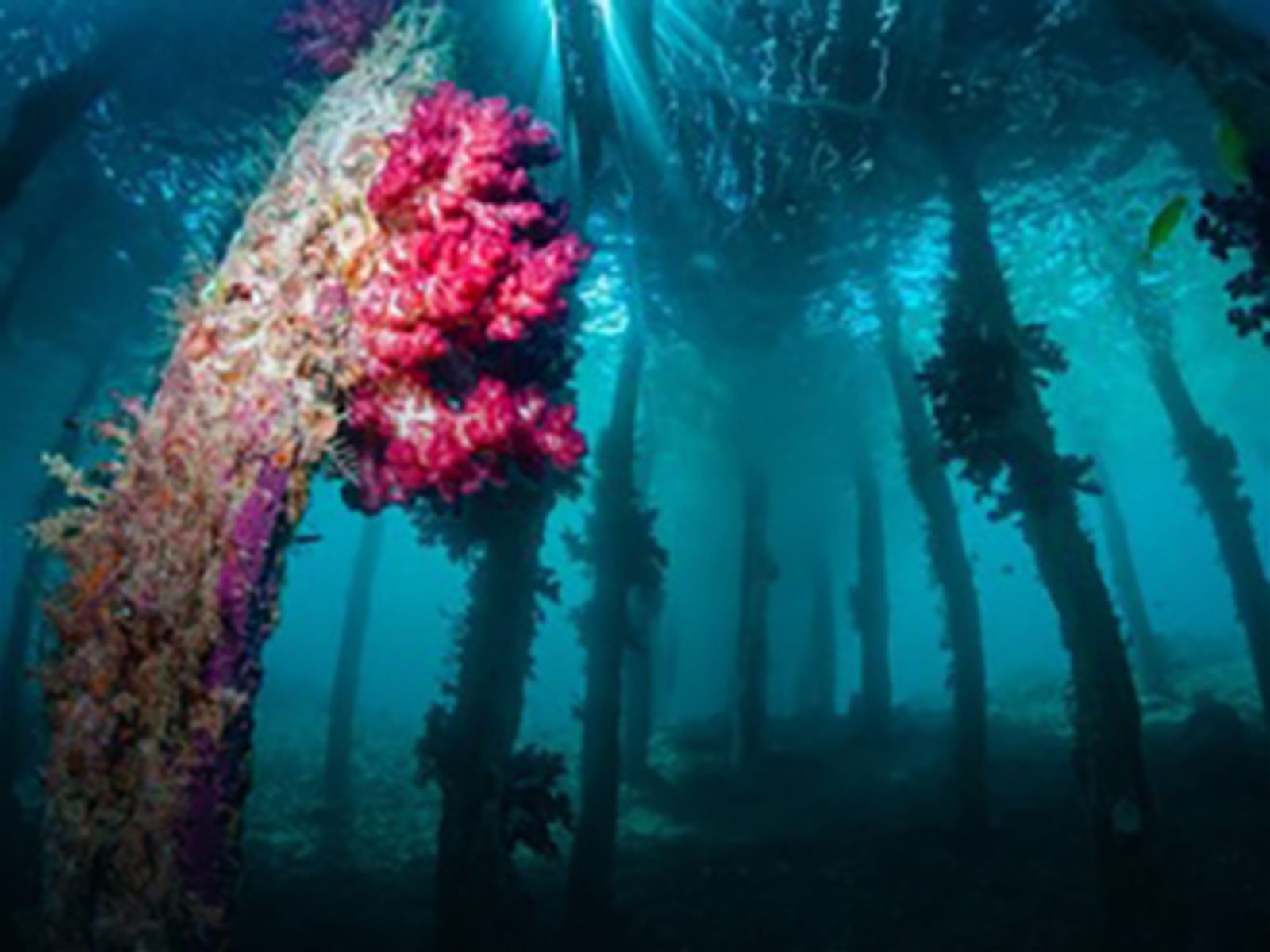
Raja Ampat reef walls: soft coral, sea fans, and pelagics sharing the same column of water.
Komodo National Park
Where nutrient-rich currents from the Indian Ocean meet warm Pacific water, creating conditions that attract big marine life in extraordinary numbers.
Signature Sites
Batu Bolong
A single rock pinnacle rising from deep water in the center of the strait between Komodo and Rinca. Arguably the most exciting single dive in Indonesia. Dense schools of trevally, snapper, and fusiliers. White-tip and grey reef sharks. Napoleon wrasse. Giant trevally hunting on the surface.
Castle Rock
A submerged seamount that attracts large pelagic life. Schools of surgeonfish dense enough to shade the water below. Grey reef sharks circling below. Possible manta sightings. Strong currents; advanced divers only.
Makassar Reef (Manta Point)
A long, shallow reef on the east side of Komodo where manta rays congregate at cleaning stations. Divers descend and wait as mantas cruise past, often within arm's reach. One of the most reliable manta encounters in Indonesia.
Crystal Rock
A pinnacle near Castle Rock with dense soft coral coverage and strong currents that bring in pelagic visitors. Turtles, reef sharks, and dense fish schools. Often paired with Castle Rock for a morning of two dives.
What Sets Komodo Apart
The currents. Komodo's strong tidal flows create drift dives of a quality and intensity found almost nowhere else. The nutrient upwelling these currents produce attracts large pelagic species: mantas, sharks, dolphins, and occasionally whale sharks on northern routes. The diving here has an energy and unpredictability that keeps experienced divers returning.
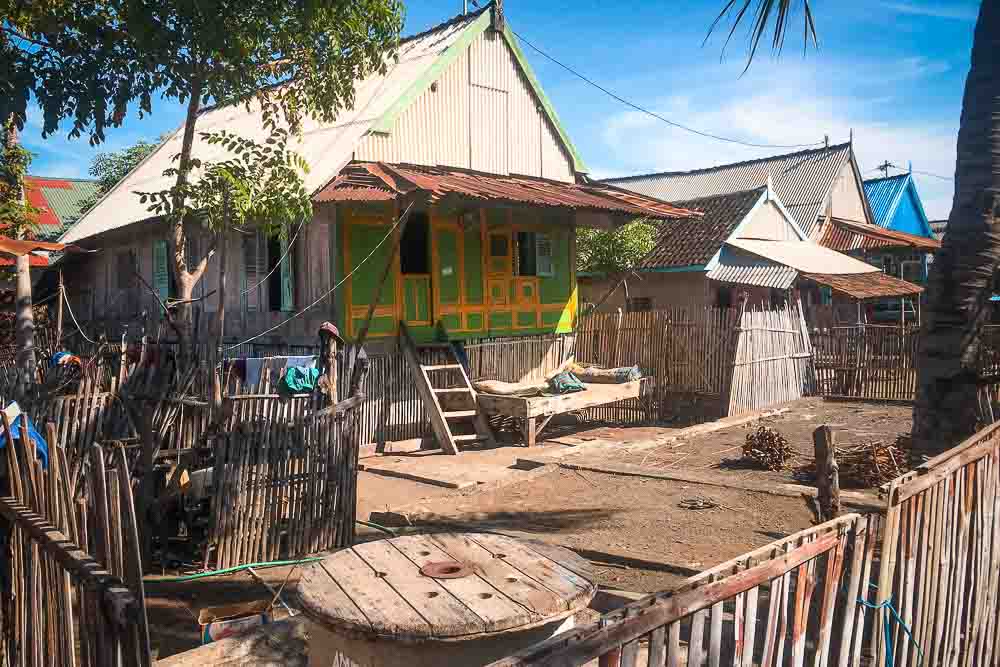
Komodo's currents draw mantas to cleaning stations that rival any in the Pacific or Indian Ocean.
Beyond the Big Two
Indonesia spans 17,000 islands. Raja Ampat and Komodo lead, but they are not the only story.
Wakatobi
Protected reefs that remain largely intact. Wakatobi's house reef is often cited as one of the best in the world, with over 400 coral species within snorkeling distance of shore. The diving is relaxed: calm conditions, excellent visibility (30-plus meters common), and exceptional macro life. Pairs well with charters on Pelagian, the dedicated dive liveaboard operating in the region.
Banda Sea
Expedition-grade diving for experienced divers. The remote Banda Islands offer hammerhead shark encounters at sites like Gunung Api's lava flow, where underwater volcanic vents support unique ecosystems. Schooling hammerheads are possible from September through November, though sightings are never guaranteed. Limited weather windows make this true adventure diving.
Bunaken and Lembeh (North Sulawesi)
Two contrasting dive environments within a few hours of each other. Bunaken's walls plunge vertically for thousands of meters, covered in sponges and soft coral, with turtles, sharks, and eagle rays in the blue. Lembeh Strait is the world capital of muck diving: mimic octopus, hairy frogfish, flamboyant cuttlefish, blue-ringed octopus, and Ambon scorpionfish on black volcanic sand.
Triton Bay
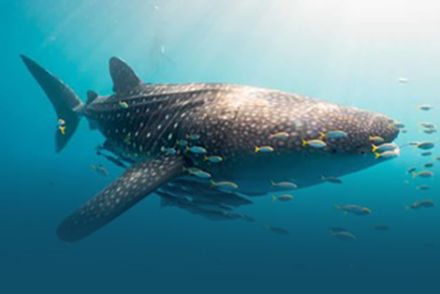
Remote diving in the Bird's Head region south of Raja Ampat. Known for enormous schools of fusiliers attracted by traditional fishing platforms (bagans), creating underwater spectacles unlike anything else in Indonesia. Soft coral coverage here rivals Raja Ampat's. Whale shark encounters are possible near the bagans, where juvenile whale sharks feed on baitfish concentrated by the platform lights. We can arrange bagan swimming as part of a Triton Bay itinerary; the encounter tends to be completely private, with only your yacht and your group in the water.
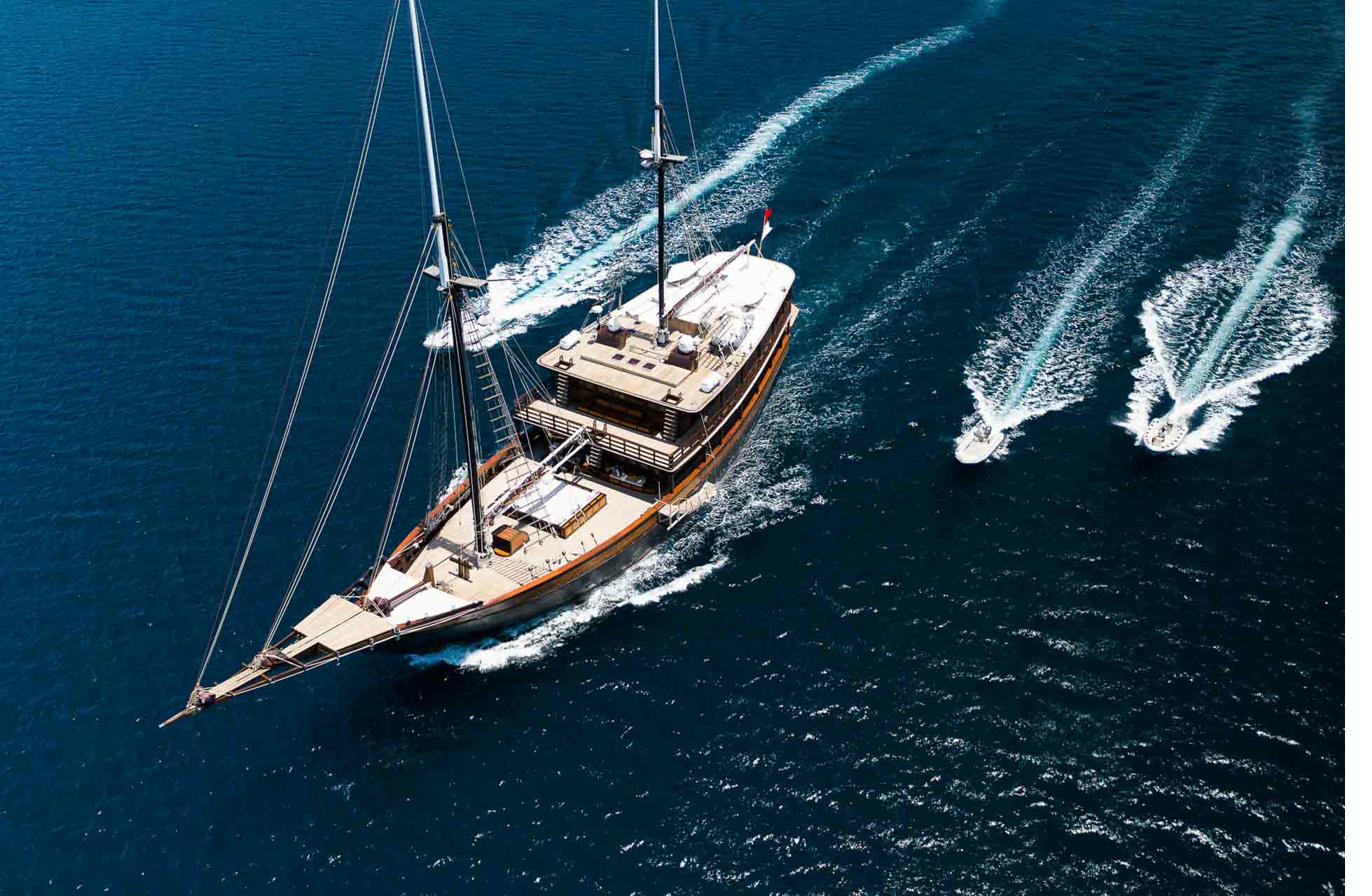
North Sulawesi pairs Bunaken's deep walls with Lembeh's muck diving, two opposite worlds within a few hours of each other.
What a Dive Charter Day Looks Like
A typical day on a dive-focused charter follows a rhythm that maximizes your time underwater while keeping the pace enjoyable.
Early risers surface to coffee on deck. The crew may have repositioned the yacht overnight to the day's first dive site.
First dive of the day, usually the most ambitious. Currents are often strongest in the morning, attracting pelagic life. Your dive guide briefs the site, entry method, and current plan.
Surface, rinse gear, full breakfast on deck while the yacht moves to the next site.
Second dive. Often a different character from the first: a gentle reef for macro photography, a manta cleaning station, or a wall dive.
Lunch. A full meal prepared by your chef, served on the upper deck or on a nearby beach, while the crew prepares for the afternoon.
Sunset. Drinks on deck as the yacht moves to the evening anchorage.
Optional night dive for groups that want it. Night dives in Raja Ampat can reveal walking sharks, Spanish dancers, and bioluminescent plankton. In Komodo, sleeping turtles and hunting lionfish are common.
Dinner. Stories from the day. Plans for tomorrow.
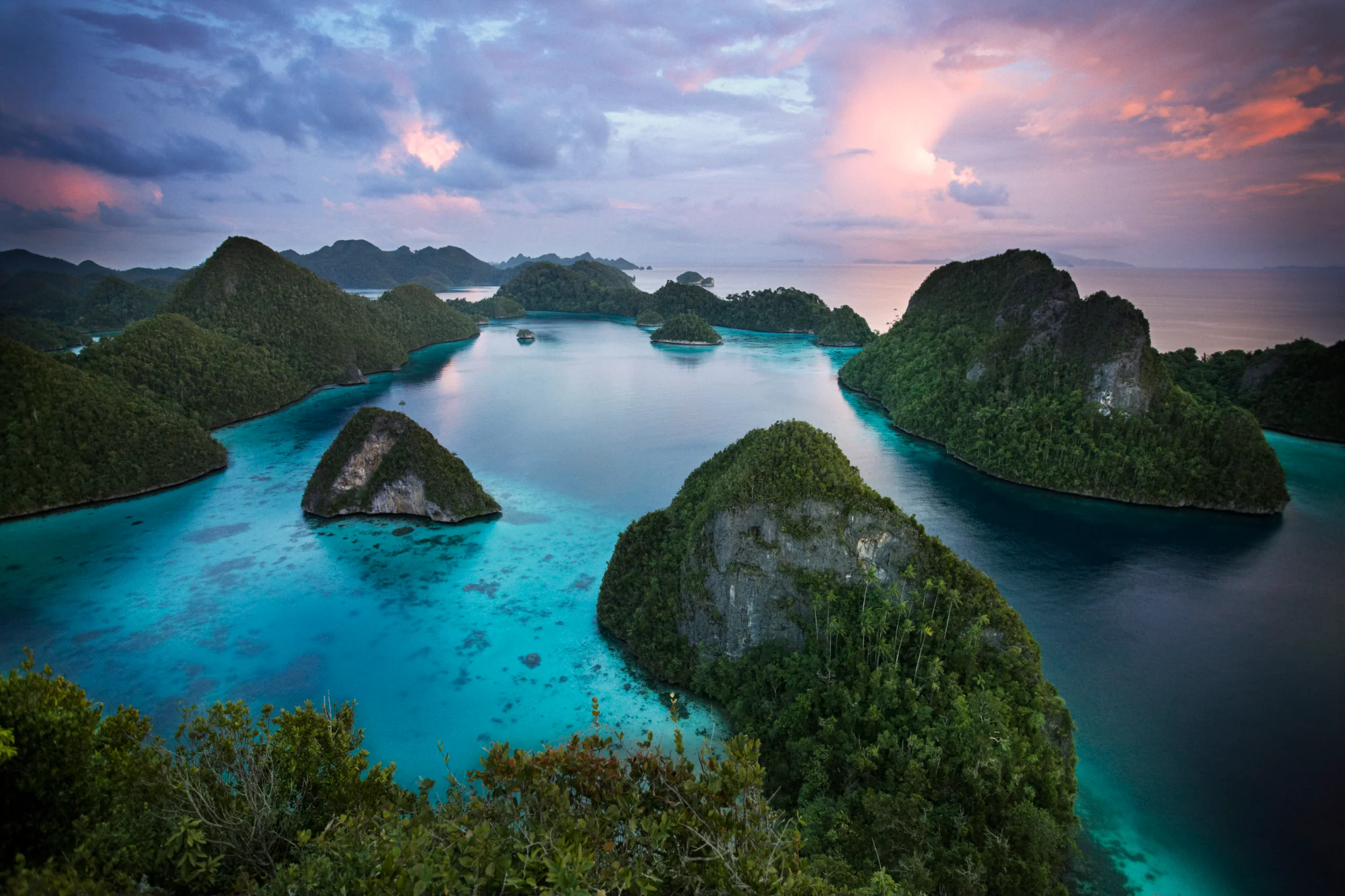
Two to four dives a day, set to the tides and the group's energy rather than a fixed schedule.
You set the pace. Some groups want four dives a day and nothing else. Others alternate dive mornings with snorkel afternoons. Your dive guide and captain adjust the schedule daily based on conditions and your energy. There is no fixed program.
Practical Information
Certification Requirements
Most charter dive operations require Open Water certification as a minimum. Advanced Open Water is recommended for Komodo's current-swept sites and deeper Raja Ampat dives. Several yachts offer Discover Scuba Diving for beginners and can provide certification courses (Open Water, Advanced) during the charter.
Equipment
Yachts with full dive centers provide tanks, BCDs, regulators, wetsuits, and computers. Many experienced divers prefer their own regulators and computers. Wetsuits of 3mm are standard; 5mm is advisable for deeper dives in Komodo where thermoclines can drop water temperature to 22°C.
Nitrox
Available on many dive-equipped yachts. Nitrox (EAN32 or EAN36) extends bottom times and reduces surface intervals, particularly valuable on multi-dive days. Usually an additional charge. Nitrox certification required.
Non-Divers in the Group
Mixed groups of divers and non-divers work well on yacht charters. While the dive team goes to depth by tender, snorkelers can explore the same reef from the surface, and non-water guests enjoy the yacht, the beach, or a hike. Many of Indonesia's best dive sites are equally rewarding for snorkeling: Melissa's Garden, Manta Sandy, and Makassar Reef all start within a few meters of the surface.
- Open Water certification minimum; Advanced Open Water recommended for Komodo
- Wetsuits provided on board; 3mm standard, 5mm for Komodo thermoclines
- Nitrox available on most dive-equipped yachts, certification required
- DAN dive insurance strongly recommended; medevac coverage required by Indo Yachts
- Non-divers equally at home; snorkeling access to most dive sites from the surface
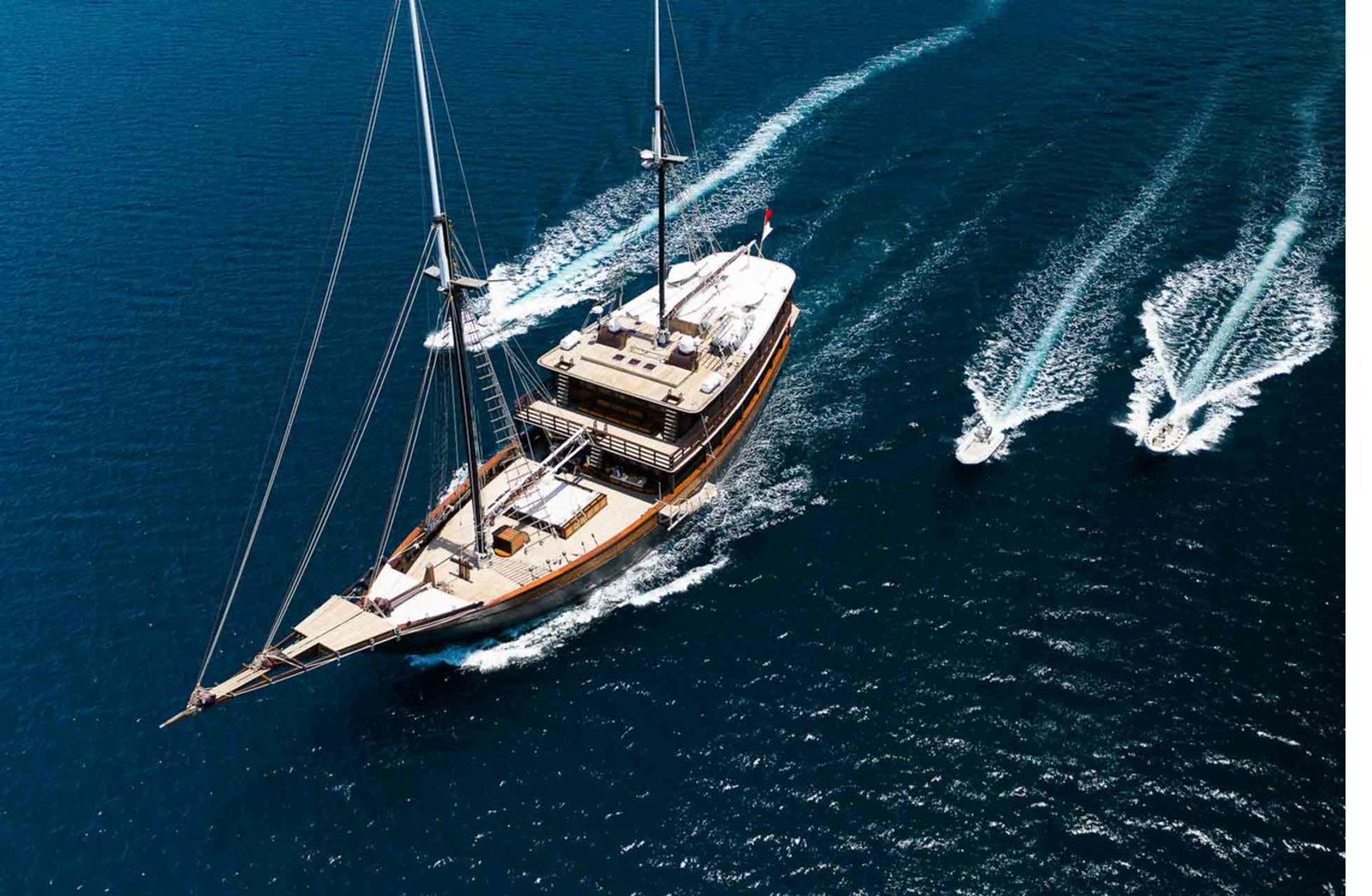
A proper dive deck, on-board compressor, and experienced guides: the charter difference.
Practical Guides
Everything you need to know before chartering in Indonesia. From costs and logistics to destination comparisons and packing lists.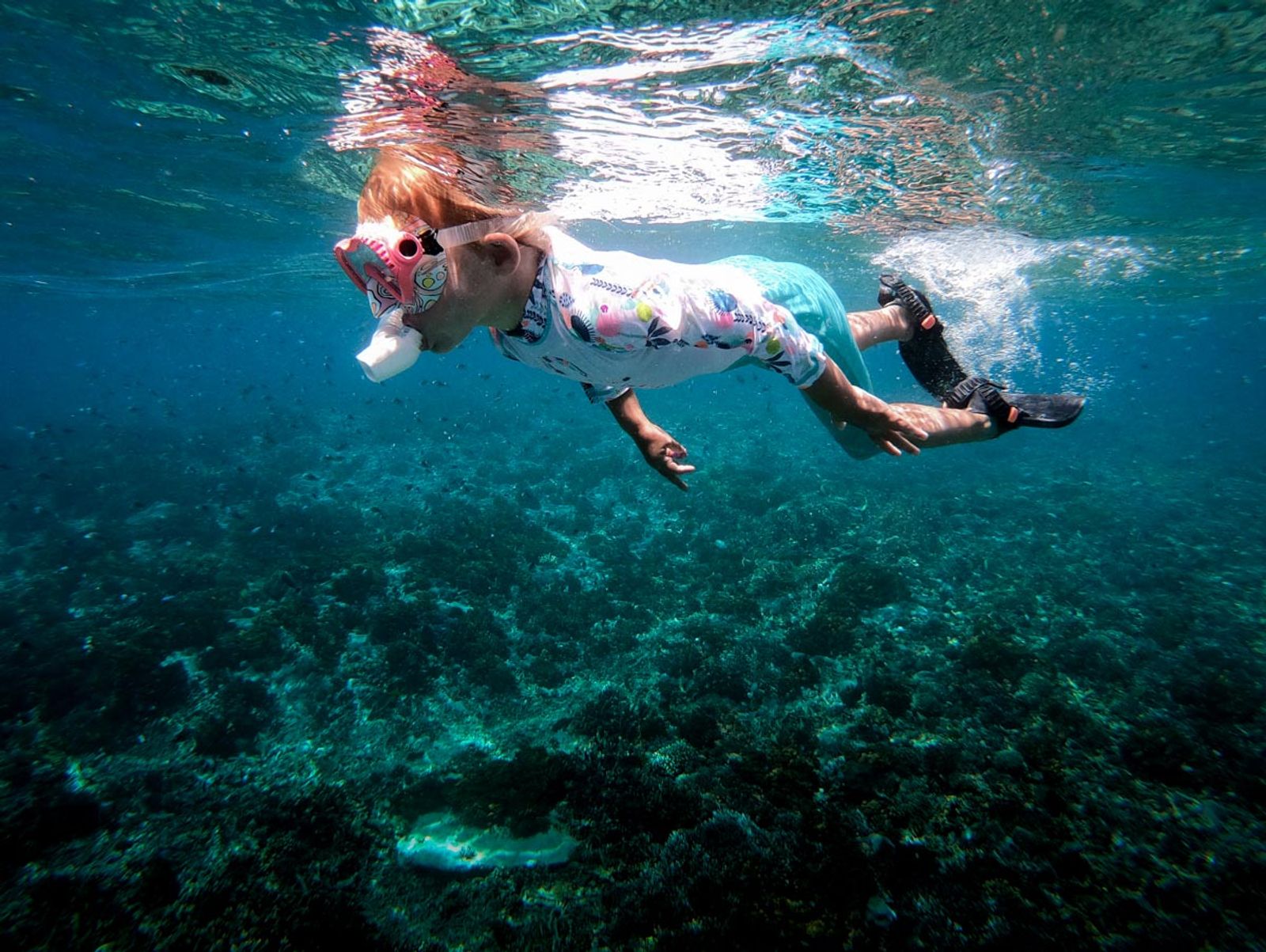
Continue Exploring
Dispatches from Indonesia's most extraordinary waters. Yacht features, expedition reports, and the stories behind our most memorable charters.
Inspired to explore?
Our team has sailed these waters for over a decade. Let us help you plan your own Indonesian adventure.