


Komodo Yacht Charter Guide
You have chosen Komodo. Now the real decisions begin.
How many nights, which yacht, when to go, how to keep divers and non-divers equally happy. This guide walks through the choices that shape the trip, the way our team works through them with every client.
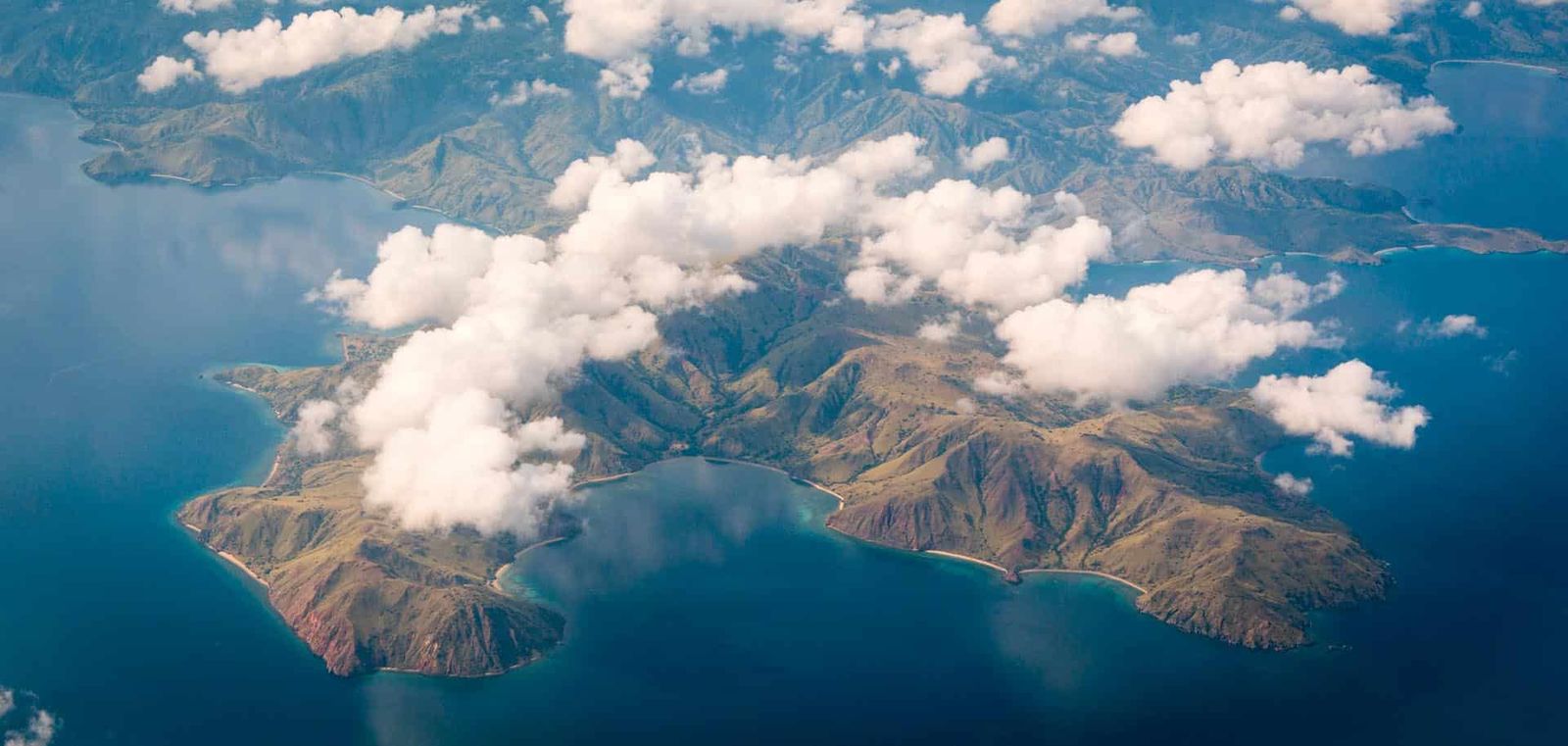
How Long Should the Charter Be
The most common Komodo charter is seven nights. It works because the park's geography is dense: three principal islands, twelve signature dive sites, the dragons, and the major topside experiences all sit within a few hours' cruising of each other. A seven-night round-trip from Labuan Bajo covers the headline sites of the northern zone, the manta cleaning stations and macro slopes of the south, the dragon treks on Rinca or Komodo Island, and the Padar sunrise hike, with enough recovery time to make the trip feel like a holiday rather than a checklist.
Five nights is enough for a focused trip if guests know what they want. The compromise: less margin for tide-driven schedule changes, and Padar's sunrise typically becomes either-or with one of the south-zone macro sites. Five-night charters work well for repeat guests who have already done the headline park circuit and want to concentrate on a specific zone.
Ten nights and longer opens the trip beyond Komodo's park boundary. The southern bays of Sumbawa, the waterfalls and wildlife of Moyo Island, the rarely-visited islets between Komodo and Sumba: these are not detours, they are some of the most rewarding cruising in eastern Indonesia, and they reward the additional time generously. Ten-night routes often run one-way to Lombok or Bali rather than round-trip from Labuan Bajo, which is its own decision and the subject of the next section.
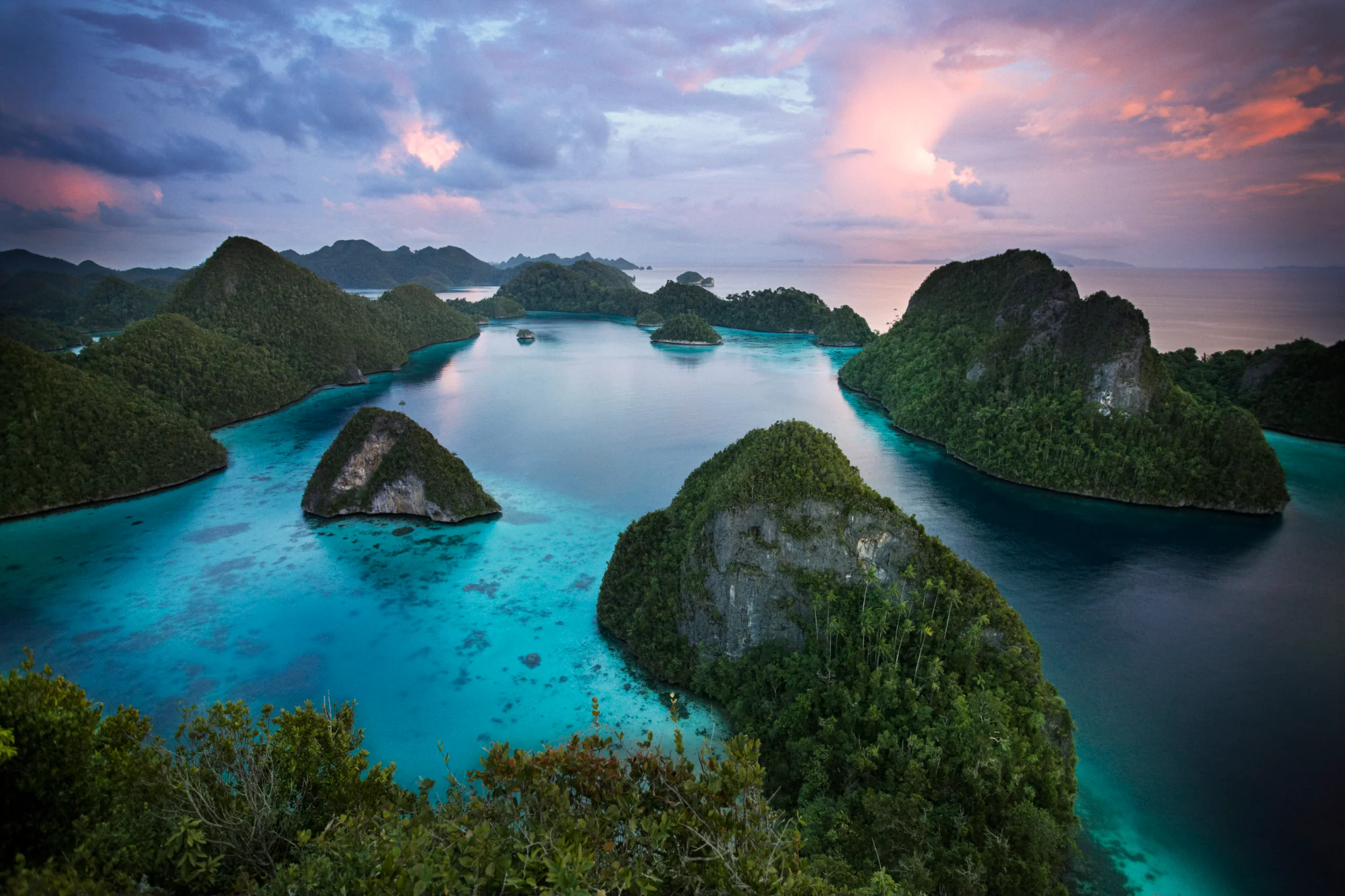
Seven nights covers the park's headline sites without rushing; the geography rewards time over collection.
For first-time visitors with a mixed-interest group, seven nights round-trip from Labuan Bajo is the right answer. The park's geography was designed for that length. Anyone who tells you four or five nights is enough is selling a shorter charter, not designing a better trip.
Where to Start and End
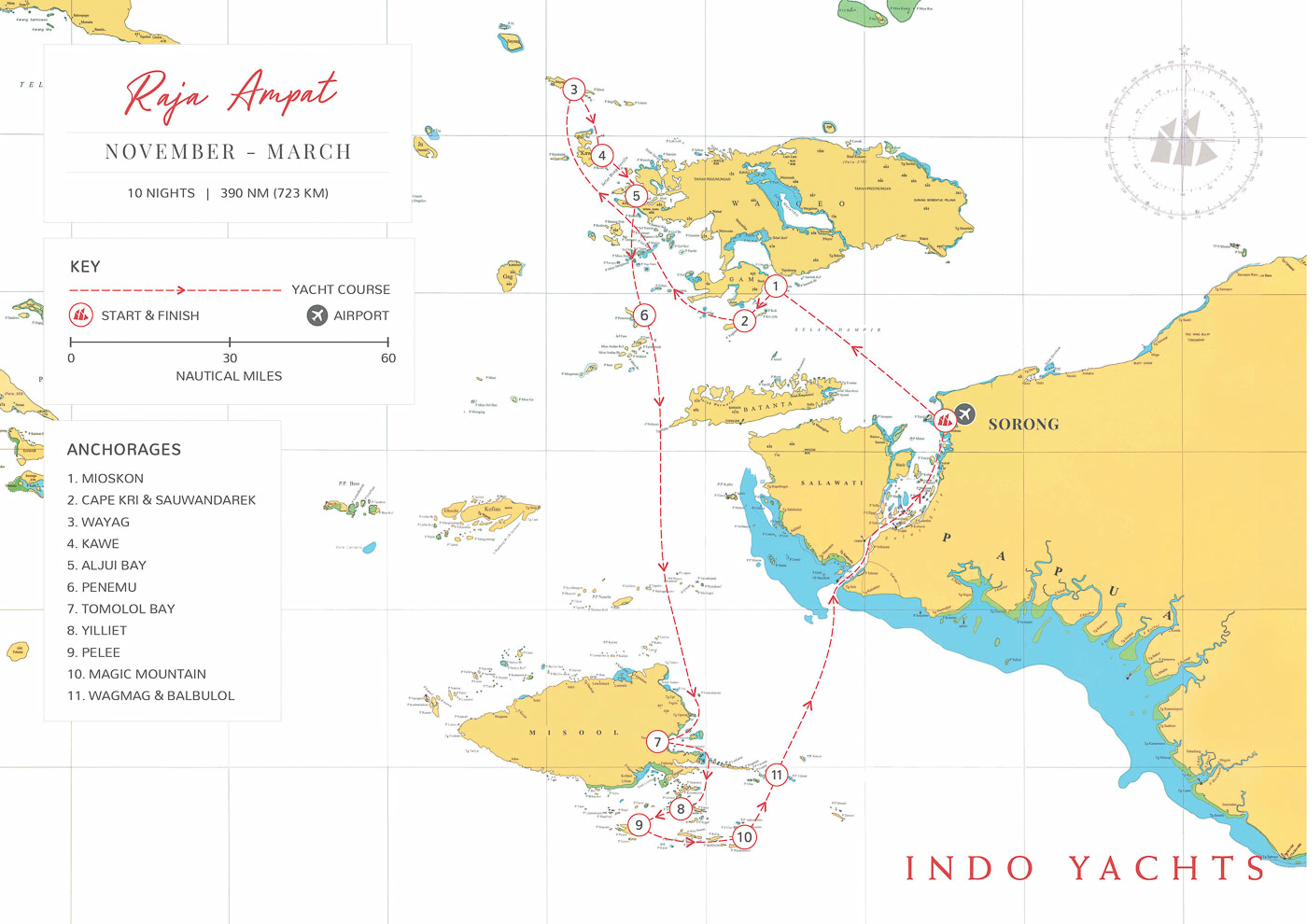
Most Komodo charters board and disembark at Labuan Bajo on the western tip of Flores. Direct flights from Bali run roughly 50 minutes; the airport is a ten-minute drive from the harbor. This is the most efficient option and the one we recommend for charters of seven nights or fewer.
Longer charters reward a one-way routing. Common one-way options from Labuan Bajo include Lombok via Sumbawa and Moyo (five to seven nights), Bali via the Lesser Sundas (nine to twelve nights), and Sumba (five to seven nights). The advantage is that you cover cruising ground rather than retracing it, and you anchor in places the round-trip routes never reach. The trade-off is reposition cost: most yachts charge for the additional fuel and crew time required to return to base, typically reflected as a positioning fee in the final quote.
Starting in Bali for a Komodo-only trip is rarely the right choice. The transit east from Bali to the park's western edge is roughly two days of sea time each way. On a seven-night charter, that leaves three nights for the park itself. The trip works only if guests genuinely want the cruising days as part of the experience, or if a Bali-based event (a wedding, a board meeting, a longer holiday) anchors them there.
Most Komodo charters board at Labuan Bajo. The town has grown rapidly; ten years ago this anchorage held three boats, on a busy day it now holds thirty.
Yacht Sizing for the Group
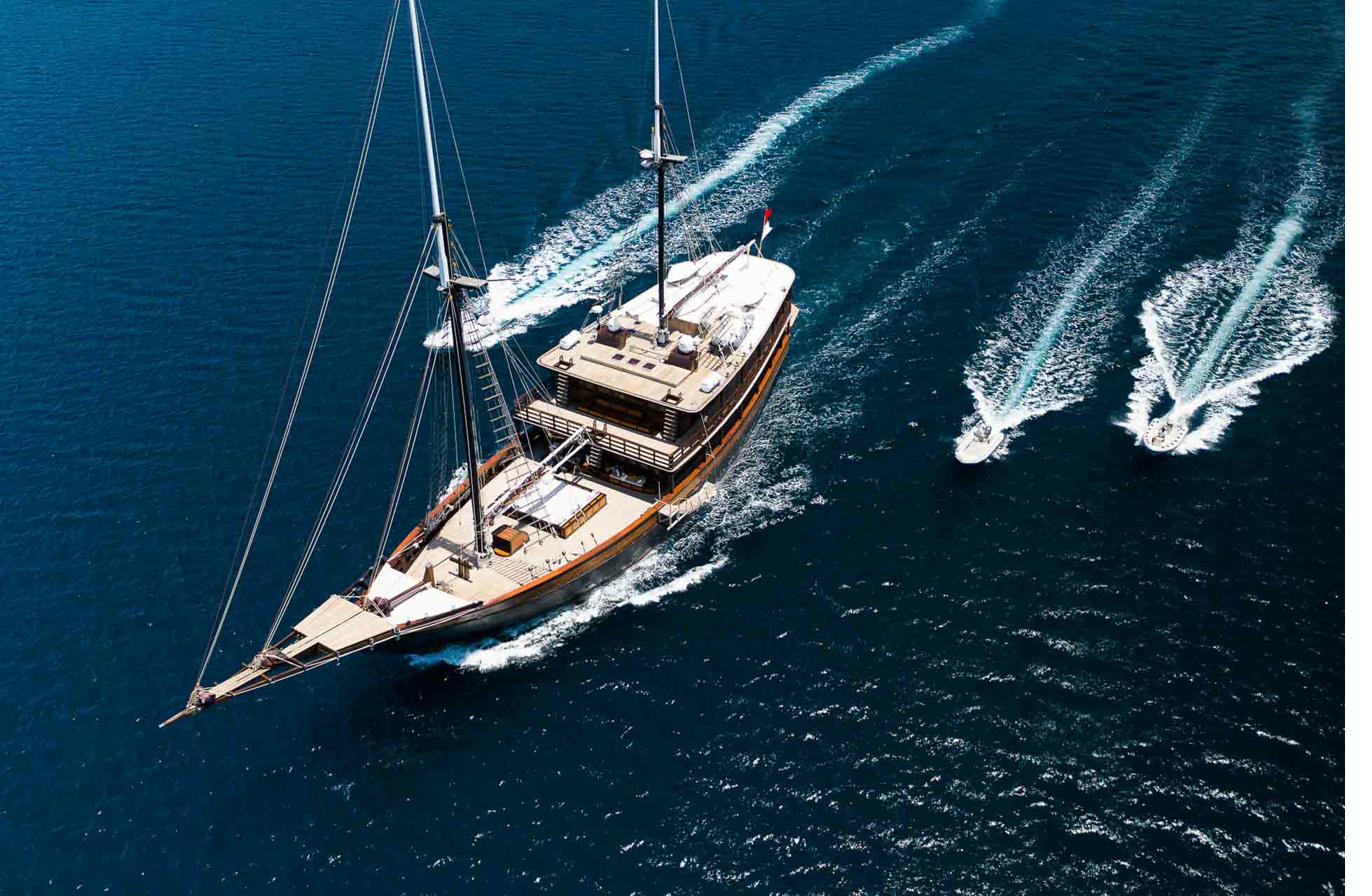
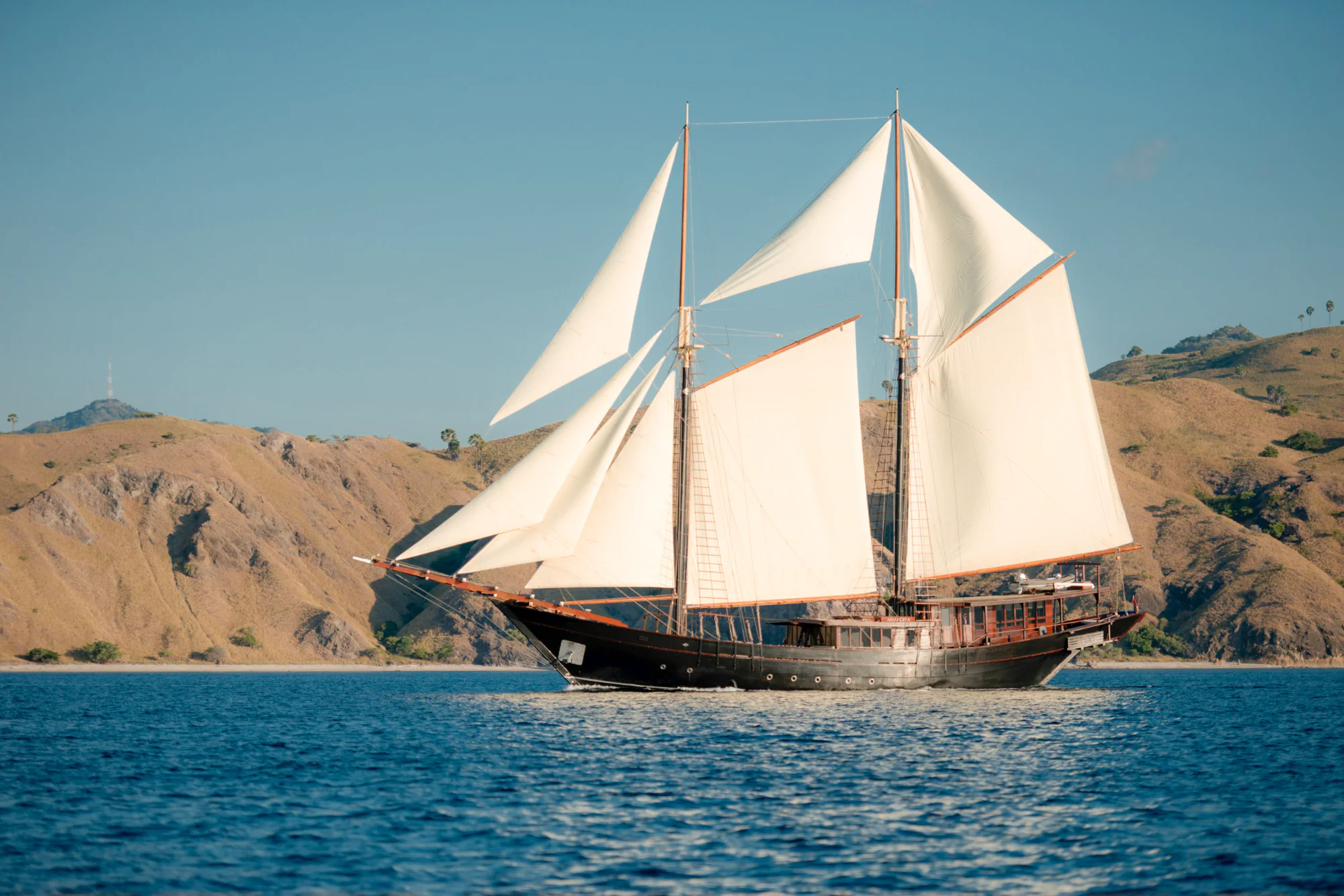
Bigger is not always better. A 60-meter superyacht with eight guests on board is a different trip from a 35-meter phinisi with the same eight guests, and the smaller boat often wins. Crew ratios on the best Indonesian phinisis run two to three crew per guest, sometimes higher. Service is intimate. The yachts are built for these waters and reach anchorages that deeper-draft superyachts cannot.
Where larger yachts win: groups of twelve or more, charters that combine Komodo with longer ocean crossings, or guests who specifically want superyacht amenities (a gym, a beach club, a helipad). For groups of six to ten, the well-appointed phinisi at 40 to 50 meters is typically the sweet spot.
Matching Yacht to Group
- Two to four guests: a 30 to 40 meter phinisi used below capacity, with very high crew-to-guest service density.
- Six to eight guests: a 40 to 50 meter yacht, the sweet spot for most families and friend groups.
- Ten to twelve guests: a 50 to 60 meter phinisi or a smaller superyacht.
- Twelve to twenty guests: a 60 meter or larger expedition vessel, with limited options that should be booked twelve or more months ahead.
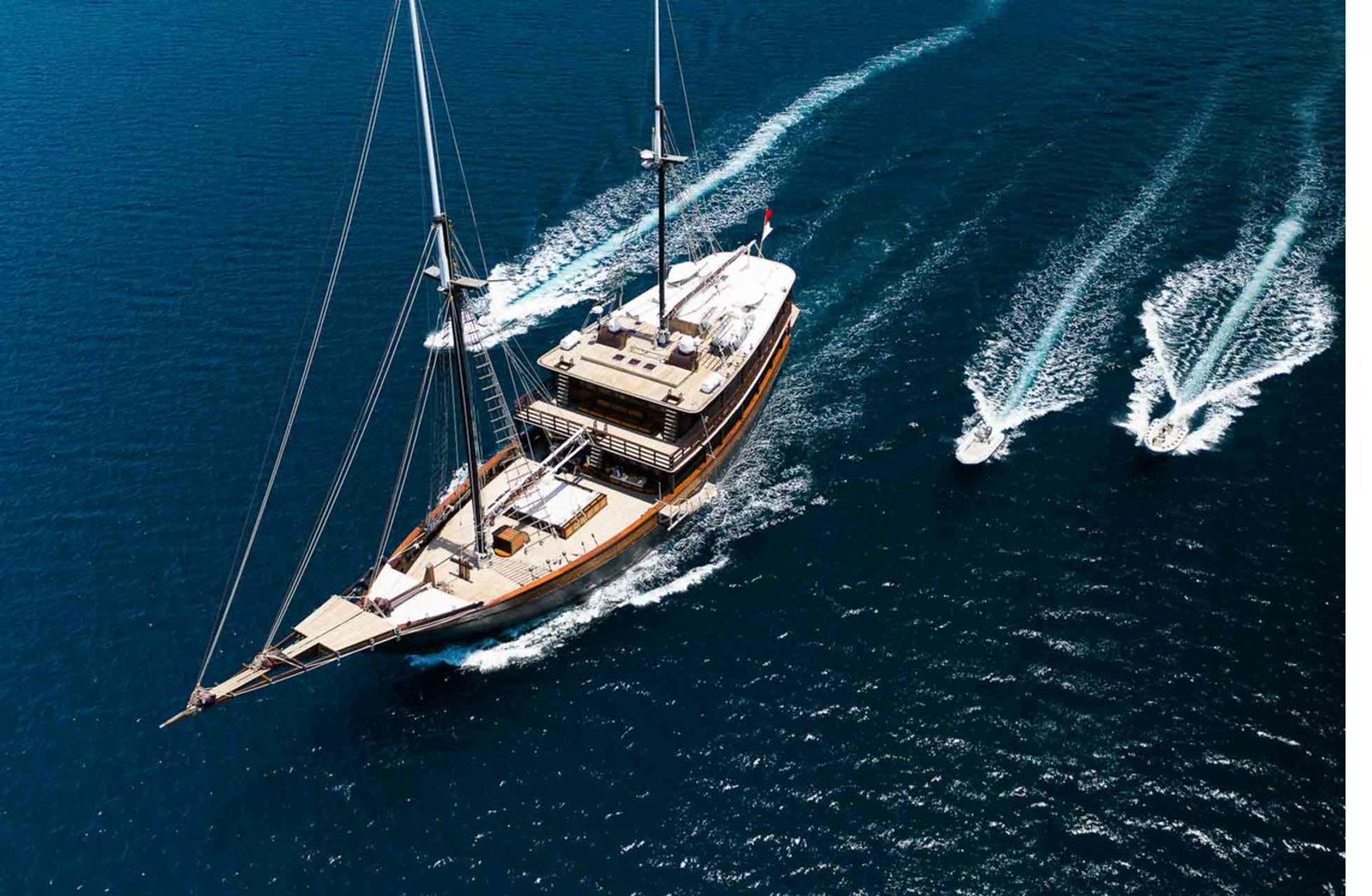
One detail that matters more than guests expect: the tender. Most diving and shore activities in Komodo happen off the yacht's tender, not the yacht itself. A well-equipped charter has at least one fast tender capable of carrying the full guest group plus dive gear, and ideally a second tender so divers and non-divers can run separate programs simultaneously. When we discuss yachts with a client, the tender complement is among the first specifications we examine.
A well-appointed phinisi at 40 to 50 meters is the sweet spot for most Komodo charter groups.
Mixed-Interest Groups
Most charter groups are mixed. Two adults dive, the third does not. Three children want the beaches and snorkeling, the parents want a serious dive program. A grandparent on board prefers reading on deck. This is the situation a private charter is built to solve: with two tenders running, the dive program and the non-diving program operate in parallel from the same anchor. Divers descend on a current channel while snorkelers take the second tender to a shallow reef, and the yacht hosts a long lunch when both groups return.
Approximately sixty percent of Komodo's signature dive sites are also viable snorkel sites. Manta Point is the obvious example: divers descend to the cleaning station, snorkelers drift above with the mantas surfacing to feed. Tatawa Besar, Siaba, and Pink Beach work the same way. A well-designed itinerary anchors the yacht so the divers and snorkelers can experience the same animals at the same site without compromise.
Children eight and older who can swim confidently typically enjoy Komodo enormously. Siaba's turtle sanctuary, Pink Beach, the dragon treks at Rinca, and Padar's accessible viewpoint are all family highlights. Some yachts are better configured for children than others: high railings, an enclosed indoor space, and the right crew matter more than the number of cabins.
Season Within the Season
Komodo's primary season runs April through October. Within that window the experience varies more than most guests realize, and the best month for one group is the wrong month for another.
April and May are the early shoulder. Conditions improve weekly as the southeast trade winds establish. The park is at its quietest. Visibility is rising. Manta activity is building. This is our recommendation for guests who want strong diving without the peak-season crowd. The risk is the occasional residual wet-season day, particularly in April.
June through August is peak. Trade winds are reliable, visibility runs 20 to 30 meters on most sites, and the dragons are highly active in the dry heat. July and August are the busiest months in Labuan Bajo, which matters less on a private yacht than at a beach hotel, but does mean popular anchorages fill quickly and the headline sites attract more day-trip traffic. Manta activity is consistently high. This is the right window for first-time visitors who want maximum certainty on conditions.
September and October are the late season, and the favorite of many of our most experienced repeat guests. Conditions are still excellent. The day-trip crowd thins. The mantas remain in residence. The southern macro sites peak. Pricing is usually softer than peak summer.
November through March is the wet season and the months we generally steer clients away from for Komodo. The exception is dedicated macro divers and photographers: the cold-water sites of the southern park (Cannibal Rock, Yellow Wall) often see their clearest water in this window due to increased upwelling. We can run Komodo charters in any month of the year, but for a first-time guest or a mixed-interest group, April through October is the right window.
Manta activity is high through the dry season; the best month depends on what your group wants most.
The Booking Timeline
For peak-season Komodo charters, the most sought-after yachts are typically booked twelve months in advance. The handful of yachts with widest appeal (a few specific phinisi and the smaller superyachts that handle Indonesian waters well) regularly sell out their July and August calendars by the previous October. For shoulder months and off-peak periods, six months in advance is comfortable. Last-minute charters within four to eight weeks are possible when there is movement in another booking, but the available choice narrows quickly.
Once a yacht and dates are confirmed, a deposit secures the charter, typically within seven days of agreement. The remaining timeline is covered in our companion guide on what happens after you book. From the moment of confirmation forward, the planning shifts to preferences, itinerary drafting, and the operational work of building the trip around your group.
What to Push For, What to Skip
The most common planning mistake is over-programming. Komodo's geography rewards spending time, not collecting sites. The Padar sunrise needs an overnight anchor below the peak and a pre-dawn start; rushing it to fit a dive in the same morning loses the point of doing it. Anchoring near Kalong by late afternoon to watch the dusk exodus of flying foxes is a half-hour that many itineraries skip and that many guests cite as the trip highlight.
The Padar sunrise needs an overnight anchor and a pre-dawn start. Build it into the itinerary in advance.
What to Insist On
- Two dives per day, not three, and the freedom to skip a dive without comment.
- An overnight at Padar for the sunrise hike, scheduled into the itinerary in advance.
- Anchoring near Kalong by 4:30 pm on a chosen evening for the flying fox spectacle.
- A morning dragon trek on Rinca or Komodo Island before the day-trip boats arrive, before 8 am.
- Visiting Pink Beach early, before the day boats, with the snorkel program on the same tide.
- At least one full beach day with a barbecue ashore, on an island chosen by the captain.
What to Reconsider
- Trying to dive every signature site in one charter. Twelve sites in seven days is too many.
- Adding Komodo to a Bali round-trip in seven nights. The math does not work.
- Booking a yacht based on cabin count alone. Crew, tenders, and itinerary capability matter more.
- Insisting on a fixed itinerary. Komodo's tides reward day-of flexibility; build the trip around tide tables, not a brochure.
A Brief Word on Expectations
Komodo delivers reliably on its headlines. The mantas turn up at Manta Point year-round. The dragons are there for the morning trek. The reefs are healthy and the diving performs on the days the tides cooperate. The variable is the tides themselves: Batu Bolong and Castle Rock perform only in specific windows, and the captain's job is to plan the daily schedule around them rather than around guest convenience.
Guests who arrive with that understood typically leave with the trip they wanted. Guests who insist on a fixed schedule against the captain's advice are the rare exception who come away disappointed. The single most useful thing we can tell a first-time Komodo charter guest is this: when the captain proposes shifting the day's plan to catch a tide, the answer is yes.
Practical Guides
Everything you need to know before chartering in Indonesia. From costs and logistics to destination comparisons and packing lists.
Continue Exploring
Dispatches from Indonesia's most extraordinary waters. Yacht features, expedition reports, and the stories behind our most memorable charters.

Planning a Komodo Charter?
Tell us your dates, your group, and what you want from the trip. We will draft an itinerary and pair it with the right yacht.